
Common Fire Code Violations in Fulton County Restaurants (And How We Fix Them)
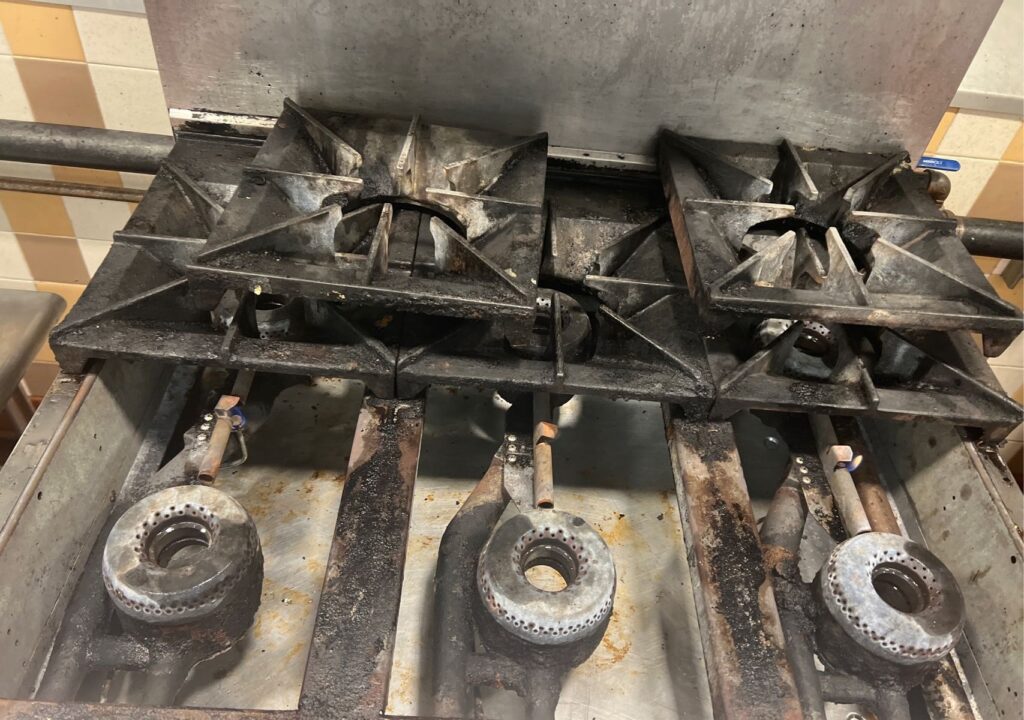
Article Summary Why Fulton County Violations Follow a Pattern Walk through enough commercial kitchen inspections across Fulton County — in the dense restaurant corridors of Buckhead, the mixed-use developments along the Beltline, the older storefronts in College Park and East Point, the institutional kitchens at Atlanta’s hospitals and universities — and a pattern emerges. The same violations come up again and again, across different types of kitchens, different ownership structures, and different cuisine styles. That pattern exists for a reason. Most fire code violations in commercial kitchens aren’t random. They cluster around a predictable set of maintenance failures, operational habits, and knowledge gaps that are common across the industry. Understanding the pattern is useful because it means you can address the highest-risk areas before an inspector identifies them for you. This article works through the most commonly cited fire code violations in Fulton County restaurants in detail — what the code actually requires, why operators end up in violation, and exactly what needs to happen to correct it. The focus is practical: not just identifying problems but giving operators a clear path to fixing them. One note on jurisdiction before getting into the violations: Fulton County contains both areas within the City of Atlanta — where the Atlanta Fire Rescue Department is the primary enforcement authority — and unincorporated areas of the county, where the Fulton County Fire and Emergency Services handles commercial fire code enforcement. Both agencies enforce Georgia’s state minimum standard codes, including NFPA 96, and the violations they cite are substantively the same. Where there are meaningful differences in how the two jurisdictions handle specific issues, this article notes them. Violation #1: Overdue or Missed Hood Cleaning How often it’s cited: Consistently the most frequent fire code violation in Fulton County commercial kitchen inspections. What the code requires: NFPA 96 requires that commercial kitchen exhaust systems be professionally cleaned at minimum intervals determined by cooking type and volume. High-volume operations using charbroilers, woks, or solid-fuel equipment require monthly cleaning. Moderate-volume kitchens using fryers and standard commercial ranges require quarterly cleaning. Lower-volume operations may qualify for semi-annual or annual cleaning, but that determination must be based on an actual assessment of cooking activity — not an assumption. Why it happens: Overdue cleanings happen in predictable ways. A busy service period causes a scheduled cleaning to get pushed back a week, then another week, and then it doesn’t happen at all. A kitchen changes ownership and the new operator doesn’t immediately establish a cleaning schedule. A restaurant manager assumes that because the previous cleaning “just happened” a few months ago, there’s no urgency — without realizing that their cooking volume requires monthly rather than quarterly service. A low-cost cleaning company is hired and performs surface-level work that doesn’t qualify as a compliant cleaning, so the actual grease accumulation continues building even though the calendar says a cleaning happened. Why it matters: Grease accumulation inside a commercial exhaust system is the primary fuel source for duct fires. A duct fire in a grease-laden system can travel from the hood to the rooftop in seconds, generating temperatures that exceed 2,000 degrees Fahrenheit inside the duct. The fire suppression system installed in the hood is designed to protect the cooking surface — it is not designed to extinguish a duct fire that has already propagated beyond the hood. Once a duct fire gets going, the options narrow quickly and dangerously. How to fix it: The correction for an overdue cleaning is straightforward: schedule a professional hood cleaning immediately with a company that performs NFPA 96-compliant service — meaning the entire exhaust system from hood canopy to rooftop fan, cleaned to bare metal. Not a surface wipe-down. Not filters only. The complete system. After the cleaning, establish a forward-looking maintenance calendar based on your actual NFPA 96-required frequency. If you’re not certain which frequency applies to your kitchen, ask the cleaning company to assess your cooking operation. A quarterly cleaning schedule is not automatically appropriate for every kitchen that uses it — a restaurant with a charbroiler running six nights a week is a monthly kitchen, not a quarterly one, regardless of what the previous operator scheduled. Document the cleaning properly: service sticker on the hood, service report with before-and-after photographs, and filing the report in an accessible location. Then keep the schedule. Violation #2: Incomplete Cleaning — Surface Work That Doesn’t Reach the Duct Interior How often it’s cited: Cited frequently, often discovered during re-inspections after an operator believed the cleaning issue had been resolved. What the code requires: NFPA 96 is explicit that cleaning must encompass the entire exhaust system — hood canopy, plenum, baffle filters, grease collection devices, duct interior from the hood collar to the exhaust fan discharge, the exhaust fan assembly, and the rooftop components around the fan. The standard for cleanliness is bare metal — all grease deposits removed, not reduced or cosmetically improved. A cleaning that reaches bare metal on the visible hood surfaces but leaves accumulated grease inside the duct interior does not satisfy NFPA 96. Why it happens: Price competition in the hood cleaning market creates a persistent problem in Fulton County: companies that win business on low price by performing incomplete cleanings. A crew that shows up, cleans the visible surfaces of the hood and the exterior of the filters, applies a service sticker, and leaves in 45 minutes has performed a cleaning that looks legitimate on the surface — the sticker says it happened, the hood exterior looks cleaner — but hasn’t touched the duct interior or the exhaust fan. The operator gets a sticker and assumes compliance. The duct system continues accumulating grease undetected. This also happens when cleaning is delegated to kitchen staff as part of regular maintenance duties. Staff-performed hood cleaning is a reasonable supplement to professional service, but it doesn’t reach the duct interior, doesn’t involve the equipment or products necessary to clean to bare metal, and doesn’t satisfy the professional service requirement of NFPA 96. A
Why the City of Atlanta Requires Documented NFPA 96 Compliance for All Kitchens
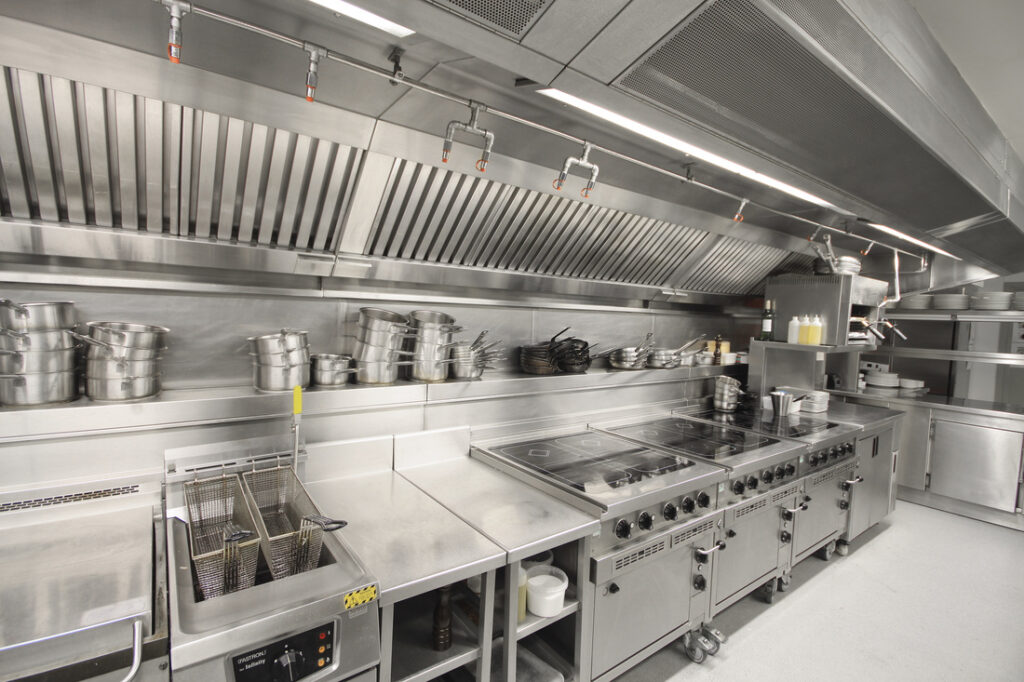
Article Summary The Question Behind the Question When Atlanta restaurant operators ask why the city requires documented NFPA 96 compliance, what they’re usually really asking is one of two things. Either they’ve just been cited for a documentation violation and they want to understand what they actually did wrong, or they’re trying to figure out whether they can satisfy the requirement without going through the trouble of scheduling and maintaining professional hood cleaning records. The answer to the second version of that question is no. And understanding why requires looking at what NFPA 96 compliance documentation actually is, what legal authority sits behind it, and what the City of Atlanta is trying to accomplish by requiring it. This isn’t paperwork for the sake of paperwork. The documentation requirement exists because grease fires in commercial kitchens are genuinely dangerous, because the risk is directly tied to maintenance practices that can’t always be verified by looking at a hood, and because Atlanta — like every major U.S. city with a serious commercial kitchen sector — has learned through experience that compliance without documentation is compliance that can’t be confirmed, enforced, or defended. The Legal Framework: How NFPA 96 Became Atlanta Law To understand why Atlanta requires documented NFPA 96 compliance, you need to understand how the standard became law in the first place. NFPA 96 is a document published by the National Fire Protection Association — a nonprofit organization that develops and maintains fire safety codes and standards used throughout the United States and in many countries internationally. NFPA itself has no enforcement authority. It writes the standard; governments adopt it. Georgia adopts fire and building standards through the Georgia State Minimum Standard Codes framework, administered by the Georgia Department of Community Affairs. When Georgia formally adopts NFPA 96 as part of the Georgia State Minimum Fire Code, the standard becomes legally enforceable throughout the state. Every jurisdiction in Georgia — including the City of Atlanta — must enforce the state minimum standard at minimum, and may adopt stricter local amendments if they choose. The Atlanta Fire Rescue Department is the authority having jurisdiction within city limits for commercial fire code enforcement. When an Atlanta fire inspector cites a restaurant for a violation of NFPA 96, they’re citing a violation of Georgia state law as adopted and enforced locally. The legal chain runs from the NFPA standard through state adoption through local enforcement, and it carries real consequences at every level. This matters because it’s sometimes tempting to think of fire code compliance as a local regulatory preference — something that might vary from city to city based on priorities or politics. That framing underestimates the seriousness of what’s actually at stake. NFPA 96 was developed over decades, through the analysis of commercial kitchen fire incidents, injuries, fatalities, and property losses across the country. Its requirements aren’t arbitrary. They reflect what the evidence shows is necessary to prevent commercial kitchen fires. What NFPA 96 Actually Requires — The Full Picture Before getting to the documentation requirement specifically, it’s worth understanding the full scope of what NFPA 96 governs. The standard is broader than most kitchen operators realize, and its documentation requirement makes the most sense in the context of the entire system it’s designed to protect. NFPA 96 applies to the design, installation, operation, inspection, and maintenance of all commercial cooking operations. That includes: The Exhaust System The standard covers the entire exhaust pathway from the cooking surface to the outside of the building — the hood canopy, baffle filters, grease collection devices, duct system, exhaust fan, and rooftop discharge. It specifies construction materials, minimum duct wall gauges, welding requirements for duct joints, access panel locations, clearance distances from combustible materials, and the required performance characteristics of listed hood assemblies. Grease Removal and Cleaning This is the section that most directly affects day-to-day restaurant operations. NFPA 96 specifies that the entire exhaust system must be cleaned to a bare-metal standard — all grease deposits removed from hood surfaces, duct interiors, and the exhaust fan — at frequencies determined by cooking type and volume. The cleaning must be performed by qualified personnel using appropriate equipment. The results must be documented. Fire Suppression Systems NFPA 96 addresses the automatic fire suppression systems installed within hood assemblies, including design requirements, coverage specifications, maintenance intervals, and testing requirements. The suppression system and the exhaust system are treated as an integrated fire protection assembly. Cooking Equipment and Fuel Systems The standard covers the clearance requirements between cooking equipment and combustible materials, requirements for fuel supply shut-offs, and equipment design standards relevant to fire safety. Operations and Maintenance This section establishes the ongoing obligations of kitchen operators — not just the one-time installation requirements, but the maintenance schedule, inspection requirements, and the documentation practices that prove the system is being maintained as required. The documentation requirement doesn’t live in isolation. It’s the mechanism by which NFPA 96’s ongoing maintenance requirements can be verified. Without it, the cleaning requirements of the standard become unenforceable. Why Documentation — Not Just Cleaning — Is the Requirement This distinction is worth examining carefully because it’s where a lot of Atlanta restaurant operators run into trouble. The assumption is that if the kitchen is clean, documentation is a technicality. In fact, documentation is a substantive requirement, and here’s why. The Inspector Can’t Verify What They Can’t See A commercial kitchen exhaust system contains hundreds of linear feet of enclosed ductwork that an inspector cannot fully view during a routine inspection. They can look through access panels at portions of the duct interior. They can assess the hood and plenum. They can look at the rooftop fan. But they cannot see the interior condition of every section of your duct system. This creates an obvious verification problem. A duct system that appears clean at the access panel inspection points might have significant grease accumulation in sections that weren’t accessible. Or it might have been wiped down at the access points specifically because an
How to Pass Your 2026 Atlanta Fire Marshal Inspection: A Kitchen Checklist
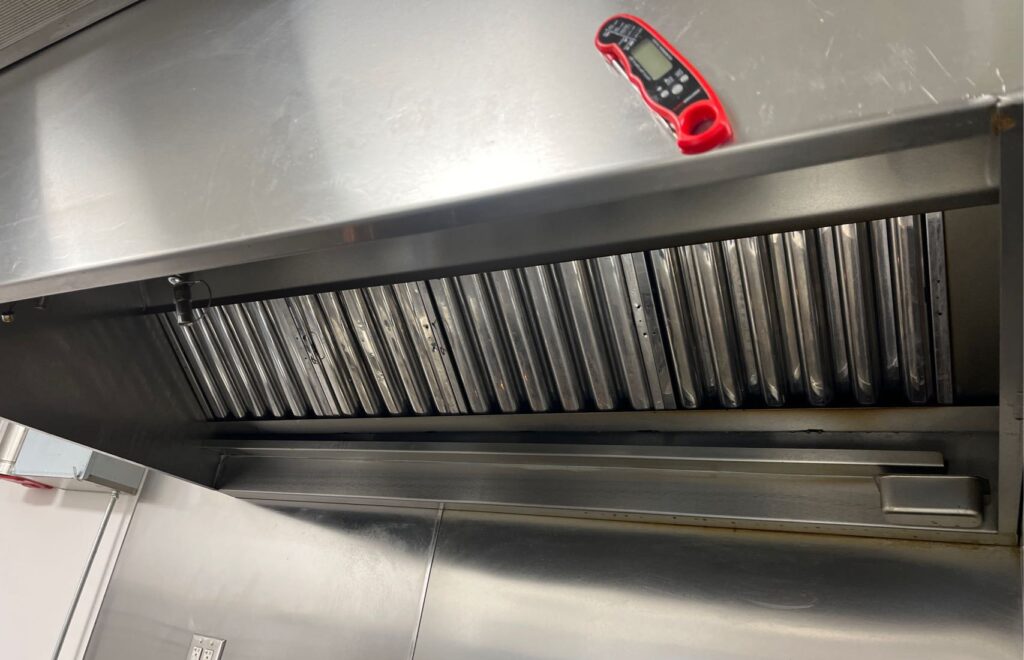
Article Summary Why Preparation Matters More Than You Think There’s a version of Atlanta restaurant ownership where fire inspections are stressful, unpredictable events that feel like they come out of nowhere. And then there’s the version where they’re almost routine — where the inspector walks through, checks the documentation, looks at the equipment, and wraps up in a reasonable amount of time without issuing a single notice. The difference between those two experiences isn’t luck. It’s preparation. The Atlanta Fire Rescue Department conducts fire safety inspections of commercial cooking establishments on a regular basis. The frequency varies based on occupancy type and prior inspection history, but no Atlanta restaurant operator should assume they have unlimited time between visits. Inspections can also be triggered by complaints, permit activity, or a change of ownership. And unlike health department inspections, which many operators prepare for as a matter of course, fire inspections sometimes catch kitchen teams off guard. This checklist is designed to change that. It covers every major category that Atlanta fire inspectors evaluate in commercial kitchens, with particular depth on exhaust system requirements — the area where most violations originate and where preparation has the clearest, most direct impact. Work through it honestly. Note anything that falls short. Then fix it before the inspector does it for you. Before You Start: Understand What Inspectors Are Working From Atlanta fire inspectors don’t write their own rules. They apply Georgia’s state minimum standard codes — specifically the Georgia State Minimum Fire Code, which adopts NFPA 1 (the Fire Code) and NFPA 96 (the Standard for Ventilation Control and Fire Protection of Commercial Cooking Operations) as its primary references for commercial kitchens. When an inspector walks into your kitchen, they’re measuring what they see against those standards. That means the checklist in this article isn’t arbitrary — every item on it traces back to a specific code provision. If something on this list is out of compliance in your kitchen, it’s out of compliance with Georgia law, not just with a suggestion. That framing matters because it helps clarify what “passing” an inspection actually means. It doesn’t mean impressing the inspector. It means your kitchen meets the legal requirements that exist to protect your staff, your customers, and the building your business operates in. Everything on this checklist serves that purpose. Section 1: The Hood and Exhaust System Checklist The exhaust system is where the majority of Atlanta commercial kitchen fire inspection violations originate. It’s also the area where a thoughtful maintenance routine makes the biggest difference. Go through this section carefully — it’s the one that requires the most lead time to correct if you find problems. Hood Canopy and Plenum Baffle Filters Grease Ducts Exhaust Fan Service Documentation Section 2: Fire Suppression System Checklist The automatic fire suppression system installed in your hood is a separate but closely related component that inspectors evaluate alongside the exhaust system. A properly maintained suppression system is one of the most important pieces of fire safety infrastructure in any commercial kitchen. Section 3: Cooking Equipment and Gas Systems Checklist Section 4: Fire Extinguisher Checklist Section 5: Emergency Systems and Egress Checklist Section 6: Electrical Systems Checklist Section 7: Storage and Housekeeping Checklist Section 8: Staff Knowledge and Operational Readiness This section doesn’t have physical items to check — it covers the human element of a fire inspection, which matters more than many operators realize. The Most Common Violations Atlanta Restaurants Face — And How to Get Ahead of Them Working through the checklist above will surface most issues before an inspector does. But it’s worth calling out the violations that come up most consistently in Atlanta commercial kitchen inspections, because they’re the ones worth double-checking even if you feel generally confident about your compliance status. Overdue Hood Cleaning This is the single most frequent violation in Atlanta commercial kitchen fire inspections. A high-volume kitchen that’s running quarterly cleanings when it needs monthly service, or a restaurant that extended its cleaning interval during a slow season and never adjusted back, ends up with a grease accumulation problem that’s visible the moment an inspector looks at the plenum. The fix is straightforward: know your required frequency under NFPA 96 for your actual cooking type, put the service on a calendar, and don’t let it slip. If your cooking volume has changed — you added a charbroiler, extended your operating hours, or started doing significantly more covers — reassess whether your current cleaning frequency still matches your kitchen’s actual grease production. Missing or Outdated Service Documentation A hood that looks clean but has no service sticker, or a sticker from 14 months ago on a kitchen that’s supposed to be cleaned quarterly, is a violation regardless of the physical condition of the equipment. Keep a folder — physical or digital — with your most recent hood cleaning report, your suppression system service certificate, and your fire alarm test documentation. Know where it is. Make sure your manager on duty knows where it is. Suppression System Nozzle Misalignment Equipment gets moved. Refrigerators get pushed a few inches to accommodate a new prep table. The fryer bank gets rearranged during a hood cleaning. Over time, cooking equipment can shift out of the suppression system’s designed coverage zone without anyone noticing — until the system is inspected. Have your suppression system provider evaluate nozzle coverage any time you make significant equipment changes, not just during the scheduled semi-annual service. Blocked Electrical Panels An electrical panel blocked by a rolling rack, a mop sink, or an ice machine is one of the most avoidable violations on the list. The required 36-inch clear working space in front of panels is a code requirement, but it’s also a practical necessity — in an electrical emergency, you need to be able to reach that panel immediately. Walk your kitchen and confirm that every panel is accessible right now. Extension Cords as Permanent Wiring Atlanta kitchens of all sizes and ages use extension cords in ways
New Georgia State Minimum Standard Codes: What They Mean for Your Exhaust System
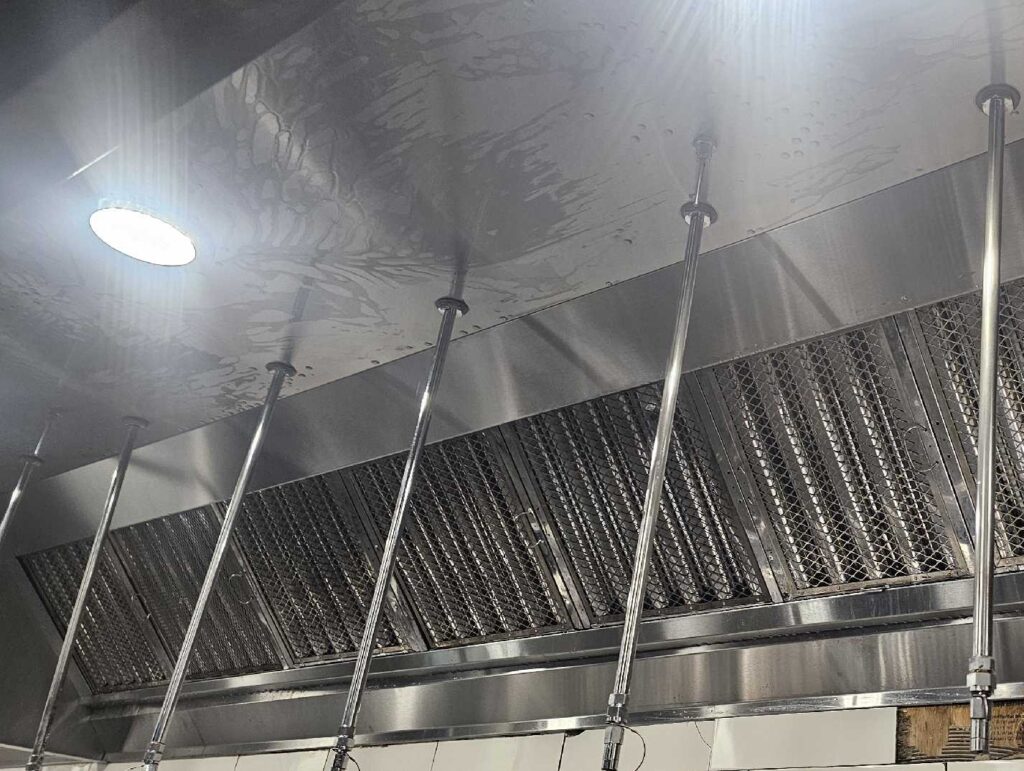
Article Summary What Are the Georgia State Minimum Standard Codes? If you’ve ever wondered where Atlanta’s fire inspector gets the authority to issue a violation over your hood system, the answer starts in Atlanta but the rule book comes from the state level. Georgia operates under a set of laws known as the Georgia State Minimum Standard Codes, and these codes establish the legal floor for construction, mechanical systems, fire safety, and building operations across the entire state. The Georgia Department of Community Affairs — the DCA — is the agency responsible for adopting and updating these codes. When the DCA officially adopts a new version of a code, every jurisdiction in Georgia, including Atlanta and all of Fulton, DeKalb, Gwinnett, and Cobb counties, must either enforce that standard or adopt a stricter local amendment. They cannot go below the state minimum. That’s why “state minimum standard” means exactly what it says — it’s the floor, not the ceiling. For restaurant and food service operators in Atlanta, two code families matter most when it comes to your exhaust system: the fire code and the mechanical code. Both reference standards that directly control how your kitchen ventilation system must be designed, installed, and maintained. Understanding the relationship between these codes and your exhaust system is genuinely useful — not just during a renovation or new build, but on an ongoing basis, because inspections in Georgia are conducted against the adopted code version, and that version does change. How Georgia Adopts Model Codes and What That Means in Practice Georgia doesn’t write its own fire code from scratch. Like most states, it adopts model codes developed by national standards organizations and then applies state-specific amendments where needed. The two primary sources for Georgia’s state minimum standards are: The International Code Council (ICC), which produces the International Building Code, International Fire Code, International Mechanical Code, and related documents. Georgia has adopted versions of these codes as its state minimums, with amendments that reflect specific Georgia policy decisions. The National Fire Protection Association (NFPA), which publishes NFPA 1 (the Fire Code), NFPA 96 (the Standard for Ventilation Control and Fire Protection of Commercial Cooking Operations), and hundreds of other safety standards. NFPA 96 is the standard that most directly governs commercial kitchen exhaust systems in Georgia. Here’s how the adoption process works in practice: a national standards body publishes an updated code or standard. The DCA reviews the new edition, considers Georgia-specific factors, and formally adopts it with or without amendments through the state’s regulatory process. Once adopted, the new version supersedes the previous one, and local jurisdictions — including Atlanta — begin enforcing it. This matters for restaurant operators because a code update isn’t just a paperwork change. It can mean new physical requirements for duct construction on remodels, revised cleaning frequency expectations, updated access panel spacing requirements, changes to grease containment specifications, or new documentation standards. If you’re planning a kitchen renovation, adding a hood, or opening a new location in Atlanta, building to the current adopted code is the only way to avoid having your new installation flagged during its first inspection. NFPA 96: The Exhaust System Standard at the Heart of Georgia’s Fire Code When Georgia fire officials inspect a commercial kitchen exhaust system, NFPA 96 is the document they’re working from. Understanding the scope of NFPA 96 — what it covers, how it’s organized, and how it’s enforced in Atlanta — is one of the most practical things an Atlanta restaurant operator can do. NFPA 96 covers the full ventilation and fire protection system for commercial cooking operations. That includes: The standard is updated on a regular revision cycle. Each new edition can include changes to any of these areas. Georgia’s enforcement of the standard is based on the edition the DCA has formally adopted, so it’s worth confirming with the Atlanta Fire Rescue Department — or your hood cleaning provider — which edition is currently in effect in your jurisdiction when planning any significant kitchen work. What the Mechanical Code Adds to Exhaust System Requirements NFPA 96 handles fire safety and cleaning requirements, but the International Mechanical Code (IMC) — also adopted by Georgia as a state minimum standard — governs the physical construction and installation of commercial kitchen ventilation systems. These two documents work together, and gaps between them can create compliance problems that aren’t always obvious. The IMC addresses: Duct Construction Standards Commercial kitchen exhaust ducts in Georgia must be constructed of specific materials — typically carbon steel or stainless steel of specified minimum gauges — and all seams and joints must be continuously welded or otherwise sealed to prevent grease leakage. The code prohibits the use of standard HVAC duct construction for grease exhaust applications. A kitchen that uses improper duct materials or construction methods is out of code regardless of how clean the system is kept. Clearance Requirements The IMC specifies minimum clearance distances between grease ducts and combustible building materials. These clearances exist because a grease duct fire generates intense heat, and a duct that runs too close to a wood-framed ceiling or wall can ignite the structure even before flames escape the duct. In older Atlanta buildings — particularly those that have been converted from retail or warehouse use into restaurants — clearance violations are a common issue that surfaces during renovation permitting. Makeup Air and Ventilation Balance The mechanical code also governs makeup air systems — the supply air that replaces the air your exhaust fan pulls out of the kitchen. A poorly balanced system where exhaust outpaces makeup air creates negative pressure in the kitchen, which reduces hood capture efficiency, causes back-drafting in gas appliances, and increases the amount of uncaptured grease vapor that deposits on kitchen surfaces rather than being carried through the duct system. Proper ventilation balance isn’t just a comfort issue — it directly affects how quickly grease accumulates in your exhaust system. Access Panel Requirements Both NFPA 96 and the mechanical code address duct access,
The Atlanta Fire Marshal’s 2026 Checklist: What We Look for During Inspections
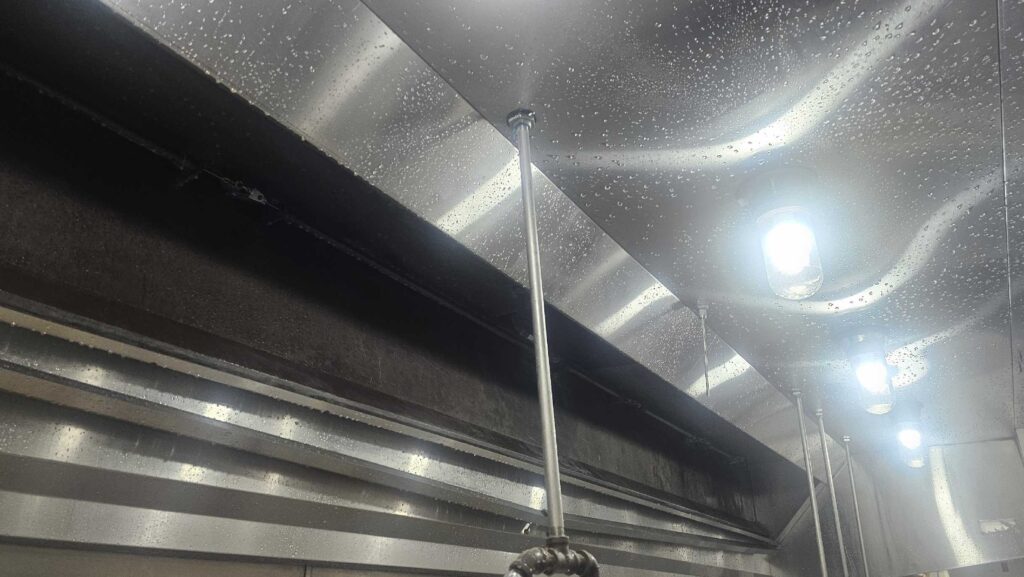
Article Summary Atlanta Restaurants and the Fire Code: More Connected Than You Think Atlanta’s food scene is one of the most dynamic in the Southeast. From the Beltline’s food halls and Buckhead’s fine dining rooms to the late-night spots in Little Five Points and the busy cafeterias serving Georgia’s universities and hospitals, commercial kitchens across this city are running hard, often around the clock. That kind of cooking volume generates a staggering amount of grease, and grease that isn’t managed properly becomes a serious fire hazard. The Atlanta Fire Rescue Department takes commercial kitchen fire safety seriously. Inspections are scheduled — and sometimes unscheduled — and the consequences of a failed inspection can range from a notice of violation to a forced closure. Understanding exactly what inspectors look for, and what the NFPA 96 fire code actually requires, is one of the most practical things a restaurant operator in Atlanta can do. What the Atlanta Fire Marshal Actually Checks During a Kitchen Inspection When an Atlanta fire inspector walks into your commercial kitchen, they’re not just glancing at the hood and moving on. The inspection is methodical, and it covers every part of the exhaust system from the filters directly above the cooking equipment all the way to the exhaust fan on your rooftop. Here’s what goes on that checklist: 1. Hood and Plenum Area The hood canopy and the plenum chamber behind the baffle filters are the first areas inspectors examine. They’re looking for grease accumulation — specifically, grease that has built up beyond what’s considered acceptable under NFPA 96. Even light yellow or brown residue coating the inner surfaces of the plenum can trigger a notice. Inspectors are trained to spot the difference between a kitchen that was wiped down last night and one that received a proper, thorough cleaning. 2. Baffle Filters Baffle filters are the removable panels that capture grease before it enters the duct system. Inspectors check that they’re in place (no missing filters), that they’re correctly installed, and that they’re not so clogged with hardened grease that airflow is restricted. Filters that haven’t been cleaned regularly become a fire risk on their own — grease-saturated filters ignite easily and can pull a flame directly into the ductwork. 3. Grease Ducts and Duct Access Panels Inspectors don’t always physically enter the duct system, but they do look through access panels to assess grease levels inside. Under NFPA 96, grease ducts must be accessible for cleaning, and access panels must be present at specific intervals. A kitchen with inaccessible duct sections — or access panels that have been welded shut or painted over — creates an automatic compliance issue. Grease inside a duct that hasn’t been cleaned is a fire waiting for an ignition source. 4. Exhaust Fan (Rooftop Unit) The exhaust fan sits at the top of the system and is one of the most commonly overlooked parts of a kitchen’s fire safety setup. Inspectors check for grease pooling around the fan motor housing, on the fan blades, and on the rooftop surface itself. A heavily grease-coated exhaust fan not only presents a fire hazard — grease dripping onto a hot motor is a real ignition risk — but it also signals that the rest of the duct system below likely hasn’t been properly serviced either. 5. Grease Containment on the Rooftop Many Atlanta kitchens, especially older buildings in neighborhoods like Midtown, Inman Park, or the Old Fourth Ward, have rooftop grease issues that operators don’t even know about. Grease that escapes the exhaust fan pools on the rooftop surface, saturating the membrane and creating a slip hazard and a fire risk. Inspectors will sometimes check rooftop conditions, and excessive grease accumulation up there can factor into violations. 6. Service Documentation This one catches a lot of operators off guard. The inspector isn’t just looking at the physical condition of the equipment — they want to see proof that the system has been professionally cleaned on a schedule. That means a service sticker affixed to the hood, and a cleaning report on file. Without documentation, even a hood that looks reasonably clean can result in a violation because there’s no way to confirm the cleaning met NFPA 96 standards. Why Grease Buildup Is the Real Fire Hazard in Your Kitchen To understand why Atlanta’s fire code takes hood cleaning so seriously, you have to understand what’s actually happening inside a busy commercial kitchen exhaust system. Every time your cook fires up the charbroiler, drops a basket of fries, or runs the flattop, cooking vapors rise into the exhaust hood. Those vapors carry aerosolized grease particles. The baffle filters capture a large portion of those particles, but not all of them. The ones that get through deposit themselves on the inner walls of the duct system, on the exhaust fan blades, and on surfaces throughout the ventilation pathway. Over days, weeks, and months, those deposits accumulate. Grease is flammable. When the layer inside a duct system gets thick enough, all it takes is a flare-up from below — a grease fire in a pan, a flaming piece of food, a burner that runs too hot — and the grease inside the duct can ignite. Once it does, a duct fire spreads fast and is extremely difficult to extinguish. Unlike a contained pan fire, a duct fire can travel the entire length of the exhaust pathway and exit through the rooftop fan, potentially spreading to the building structure. According to the National Fire Protection Association, cooking equipment is the leading cause of fires in restaurants and food service establishments in the United States. Grease-related fires account for a significant share of those incidents, and the majority of the most damaging fires involve exhaust systems that hadn’t been serviced properly. The Risk Is Real: Cooking equipment is the leading cause of U.S. restaurant fires, and grease accumulation in exhaust systems is a primary driver of the most serious incidents. Regular hood cleaning is not optional — it
North Druid Hills Hood Cleaning: Expert Kitchen Services for the Briarcliff & Toco Hills Corridor
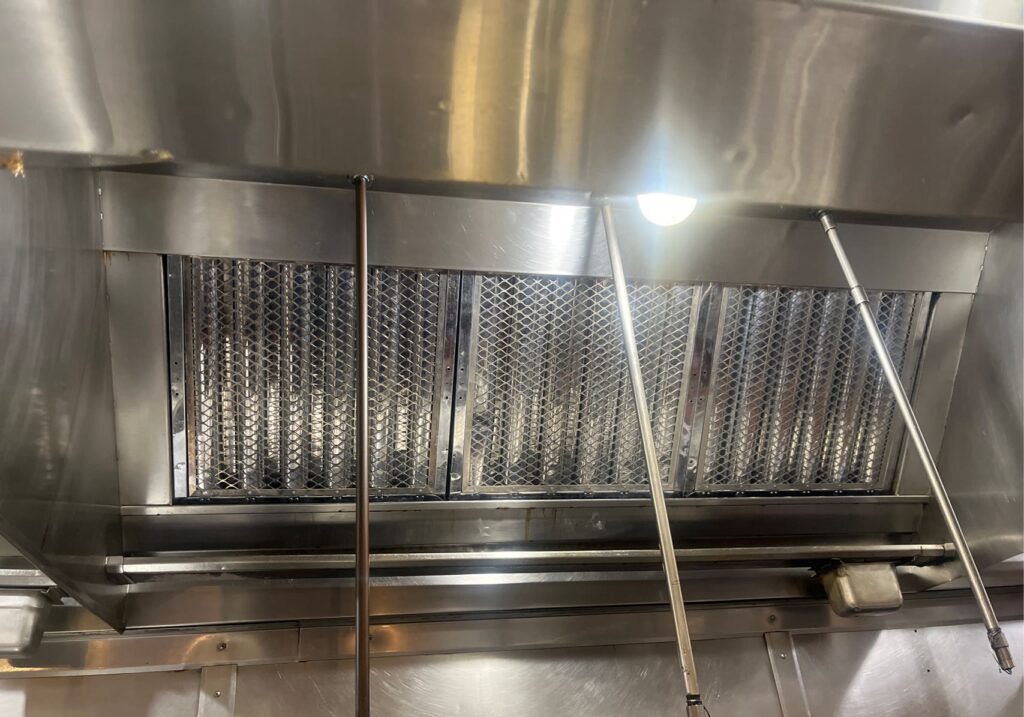
Keeping Commercial Kitchens Safe Near the New Arthur M. Blank Hospital For restaurant owners and commercial facility managers operating in North Druid Hills, the pressure is constant. Situated at the busy crossroads of Briarcliff Road and North Druid Hills Road, your kitchen likely serves a diverse and demanding clientele—from the medical professionals at Children’s Healthcare of Atlanta and Executive Park to the students and faculty near Emory University. In such a high-traffic zone, kitchen downtime is not an option. At Premier Grease, we pride ourselves on being a leader in the commercial kitchen maintenance industry. Founded in Atlanta in the early 2000s, we have grown into a trusted partner for restaurants and foodservice establishments throughout the metro area. Our mission is simple: to keep your kitchen running smoothly so you can focus on serving your customers. Why Hood Cleaning is Critical for Businesses Near I-85 and Briarcliff The commercial corridors surrounding the I-85 Access Road and Toco Hills are densely packed with dining options. Whether you operate a quick-service franchise, a hotel kitchen, or a fine dining establishment, your exhaust system is the lungs of your kitchen. Kitchen hoods are a critical part of your fire prevention system, and keeping them clean is essential for safety and compliance. A neglected hood system is a ticking time bomb; grease buildup can severely compromise air quality and creates a significant fire hazard. The Premier Grease Difference We understand that every commercial kitchen has its own unique challenges, and our solutions are tailored to meet those needs. For businesses in North Druid Hills dealing with high volumes of fried food or heavy grilling, standard cleaning isn’t enough. Serving the Heart of DeKalb County While Premier Grease now serves three key markets—Atlanta, Savannah, and Jacksonville —Atlanta is our home base where we first began. We are deeply familiar with the specific needs of the North Druid Hills community. We provide expert commercial hood cleaning services to the following local hubs: A Full Suite of Kitchen Solutions While hood cleaning is a primary focus, we offer a complete suite of services that address every aspect of grease management. Our goal is to be your one-stop solution for kitchen maintenance, saving you time and hassle. 1. Grease Trap Cleaning & Pumping Prevent blockages and backups with our regular grease trap cleaning. Our high-powered vacuums thoroughly clean out grease traps, minimizing the risk of costly downtime. This is essential for older plumbing infrastructure often found in established Atlanta neighborhoods. 2. Used Cooking Oil Recycling Sustainability is key for modern businesses. Instead of letting used cooking oil go to waste, we collect it and process it into biofuel. This service not only helps the environment but also offers a cost-effective way to manage your used oil. 3. Roof and Equipment Protection Regular usage causes grease to collect on your restaurant’s roof, which can destroy your roof membrane or cause overflows during Atlanta’s heavy rainstorms. We provide roof cleaning to avoid dangerous leaks that could void your warranty. Additionally, we offer filter exchange services to keep your exhaust system compliant and dryer vent cleaning to reduce fire risks. Trusted Expertise Right Around the Corner Our founders, Mark Bober and Doug, saw an opportunity to fill a gap in the market by offering dependable, professional grease trap cleaning services. Today, our team is composed of experienced professionals who are passionate about what they do. We prioritize open communication, transparency, and reliability in every aspect of our service. Whether you need regular maintenance or an emergency cleaning service, we work with you to find a solution that fits your schedule. We know that downtime can be costly, which is why we are always available to provide emergency services when you need them most. Ready to Optimize Your Kitchen? Don’t wait for a compliance issue to slow down your business. Experience the Premier Grease difference—where safety, quality, and reliability meet to keep your kitchen running smoothly. Contact us today for a “hood cleaning service near me” that North Druid Hills businesses trust. Let us handle the grease so you can handle the food.
Hood Cleaning in Atlanta: Expert Kitchen Safety for Princeton Lakes, Camp Creek, and East Point
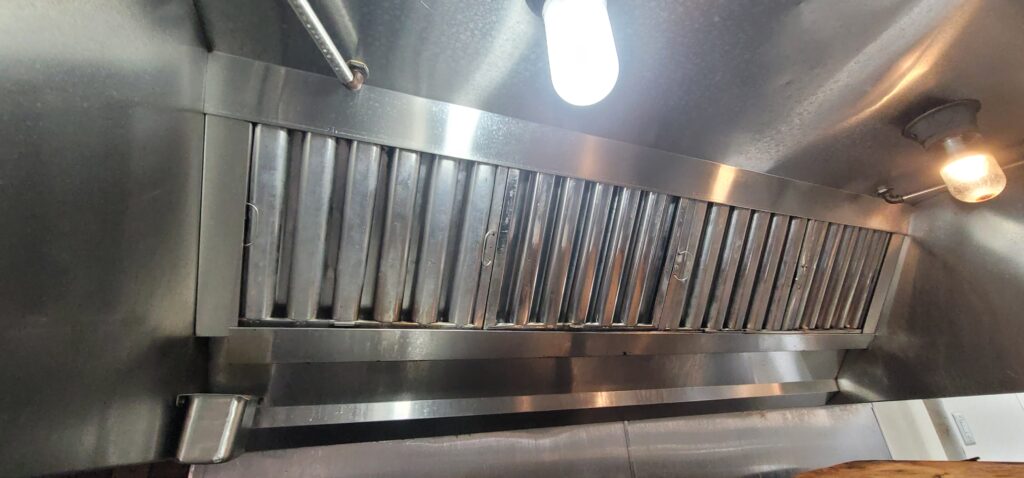
For restaurant owners and commercial kitchen managers in South Atlanta, keeping a kitchen running smoothly is about more than just great food—it is about safety, compliance, and efficiency. Whether you are managing a busy restaurant in Camp Creek Marketplace, a hotel kitchen serving travelers near Hartsfield-Jackson International Airport, or a local eatery in East Point, the risk of grease accumulation is a constant challenge. At Premier Grease, we understand the high-volume demands of the South Fulton area. As a leader in the commercial kitchen maintenance industry , we provide professional hood cleaning services designed to eliminate fire hazards and keep your business compliant with local and federal regulations. The Importance of Professional Hood Cleaning Near Camp Creek The area surrounding Princeton Lakes and Camp Creek Parkway is a thriving commercial hub. With the density of dining establishments serving both locals and the influx of visitors from the nearby Georgia International Convention Center, commercial kitchens here operate at a high capacity. High-volume cooking leads to rapid grease buildup in exhaust systems. If neglected, this buildup restricts airflow and becomes a severe fire hazard. Kitchen hoods are a critical part of your fire prevention system, and keeping them clean is essential for safety. A professional hood cleaning service near me is not just a search query—it is a necessity for protecting your property, your employees, and your patrons. Why Local Businesses Choose Premier Grease We are not just a vendor; we are neighbors with a deep history in this city. Premier Grease started as a local operation right here in Atlanta in the early 2000s. Founded by Mark Bober and Doug, our company began with a simple goal: to help restaurant owners avoid the costly issues that grease waste can cause. Today, we continue to serve restaurants and foodservice businesses throughout the greater Atlanta area with the same dedication to service excellence that fueled our initial growth. Reducing Fire Risk in South Atlanta Commercial Kitchens The Princeton Lakes and College Park districts are densely packed with commercial properties. A kitchen fire in a strip center or a hotel complex can have devastating consequences, not just for one business, but for neighboring properties as well. Our thorough hood cleaning service removes grease buildup, improving air quality and reducing fire hazards. By choosing a local hood cleaning company that understands the specific layout and density of the South Fulton commercial corridors, you ensure that your system is cleaned to the bare metal, meeting NFPA 96 standards. Our Advanced Cleaning Approach We invest in the latest technology to ensure the most efficient and thorough service for our clients near I-285 and beyond. Serving the “Aerotropolis” Region: Consistency Matters The area around the airport, often referred to as the Aerotropolis, requires consistent, reliable service. If you are running a kitchen near the Gateway Center Arena, you cannot afford downtime due to a failed health inspection or a clogged exhaust system. We offer proactive maintenance plans designed to prevent issues before they arise. Our regular inspections and timely cleanings help avoid costly repairs and ensure your kitchen stays compliant. This is particularly vital for the fast-paced restaurants along Camp Creek Pkwy, where a shutdown during dinner rush can mean significant revenue loss. Signs You Need Hood Cleaning Services If you are operating a business in Greenbriar or Princeton Lakes, look out for these warning signs: Comprehensive Grease Management for Atlanta Businesses While hood cleaning is a primary defense against fire, Premier Grease offers a complete suite of services to address every aspect of grease management. We aim to be your one-stop solution for kitchen maintenance. Integrated Services for Local Restaurants Why “Hood Cleaning Near Me” leads to Premier Grease When you search for commercial hood cleaning services around South Fulton, you need a partner who values transparency and reliability. At Premier Grease, we prioritize open communication. We work closely with each client to understand their unique needs and develop customized maintenance plans. The Premier Grease Difference Protecting Your Investment in Princeton Lakes The commercial real estate market in Princeton Lakes and the surrounding Camp Creek area is valuable. Protecting that investment requires diligent maintenance. Neglected grease buildup is not just a fire hazard; it is a liability. By partnering with Premier Grease, you ensure that your establishment—whether it is a bustling franchise near the Marketplace or a specialized catering kitchen near College Park—remains safe, clean, and efficient. Schedule Your Service Today Don’t wait for an inspection failure or a safety incident. Ensure your kitchen hood system is operating at peak performance. We proudly serve the entire Atlanta area, bringing our expertise and commitment to safety to your doorstep. Experience the Premier Grease difference—where safety, quality, and reliability meet to keep your kitchen running smoothly.
Commercial Hood Cleaning in Smyrna & Cumberland: Protecting Kitchens Near The Battery and Cobb Galleria
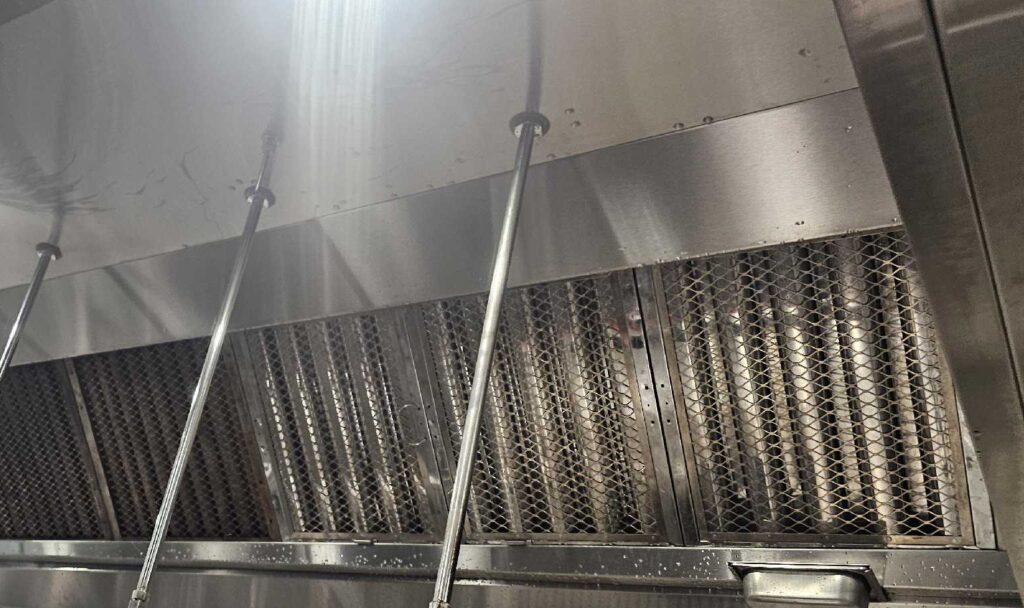
Keep your kitchen compliant, safe, and efficient with expert hood cleaning services right here in the heart of the Cumberland district. In the bustling commercial hubs surrounding Cobb Parkway and The Battery Atlanta, commercial kitchens never stop moving. From the fast-casual dining spots near Cumberland Mall to the high-volume restaurants serving crowds at Truist Park, the demand on kitchen exhaust systems is intense. For restaurant owners and facility managers in Smyrna and the Vinings area, maintaining a fire-safe kitchen isn’t just a requirement—it is a necessity for business continuity. Premier Grease is your local partner for professional hood cleaning services. Founded in the early 2000s, we have grown from a local operation to a leader in the industry, ensuring kitchens near Spring Road and the I-285/I-75 interchange remain safe, compliant, and open for business. Why Local Restaurants Near Truist Park Need Frequent Hood Cleaning The area defined by the Cumberland Community Improvement District (CID) is one of the busiest commercial corridors in Georgia. If your business operates near the Cobb Galleria Centre or the busy intersections of U.S. 41 (Cobb Pkwy), your kitchen likely processes a higher volume of food than the average establishment. High-volume cooking leads to rapid grease accumulation. In districts like Smyrna Heights and Cumberland, where foot traffic from the stadium and shopping centers drives peak dining hours, grease traps and hoods can become overwhelmed quickly. Premier Grease understands that every commercial kitchen has its own unique challenges. Neglecting your exhaust system in such a high-stakes environment can lead to: Our mission is to keep your kitchen running smoothly so you can focus on serving your customers, whether they are locals from Vinings or visitors attending a convention at the Galleria. Comprehensive Commercial Hood Cleaning Services At Premier Grease, specialized hood cleaning is one of our core competencies. Kitchen hoods are a critical part of your fire prevention system, and keeping them clean is essential for safety and compliance. What Our Service Includes We don’t just wipe down the visible surfaces. Our thorough hood cleaning service removes grease buildup, improving air quality and reducing fire hazards. We utilize advanced technology and equipment to ensure the most efficient and thorough service. Our process involves: Our technicians are highly trained and certified in all aspects of hood cleaning. They stay updated on the latest safety standards and cleaning techniques, so your kitchen remains in compliance with local and federal regulations. Serving the Heart of Smyrna and The Cumberland Corridor When you search for “hood cleaning near me” or “commercial kitchen services near The Battery,” you need a provider who understands the local logistics. We are deeply familiar with the commercial landscape around: We pride ourselves on being a leader in the commercial kitchen maintenance industry, and our expansion was fueled by the trust we built with our clients. Since our inception, we have been committed to providing high-quality grease management services. The Risks of Grease Accumulation on Rooftops In the dense commercial zones along Cobb Parkway, many restaurants share buildings or are located in strip centers. This makes rooftop maintenance critical. Regular kitchen range and fryer usage causes grease to collect on your restaurant’s roof. If your exhaust fan isn’t properly maintained, grease can leak onto the roof membrane. This accumulation can cause overflows during heavy rainstorms or even destroy your roof membrane. In an area like Smyrna, which experiences heavy seasonal rains, a compromised roof can lead to disastrous leaks. Premier Grease helps you avoid dangerous roof leaks—which ultimately void your warranty—by keeping your roof clean on a regular basis. This simple preventative measure helps you avoid high, long-term costs. Why Smyrna Businesses Choose Premier Grease We know there are other “hood cleaning companies near me,” but Premier Grease offers a level of reliability that local businesses depend on. Our founders, Mark Bober and Doug, saw an opportunity to fill a gap in the market by offering dependable, professional services. 1. Advanced Technology We invest in the latest technology, from high-powered vacuums for pumping to specialized equipment for hood cleaning, using the best tools available to deliver top-notch results. 2. Proactive Maintenance Plans We offer customized maintenance plans designed to prevent issues before they arise. We work closely with each client to understand their unique needs and develop plans that keep their kitchens running smoothly. This is vital for busy restaurants near Heritage Park or Jonquil Park that cannot afford downtime. 3. A “One-Stop” Solution We offer a complete suite of services that address every aspect of grease management. Beyond hood cleaning, we provide: Our goal is to be your one-stop solution for kitchen maintenance, saving you time and hassle. Compliance with Cobb County Regulations Operating a food service establishment in Smyrna means adhering to strict health and safety codes. Our team ensures that every service we provide is carried out with precision and care. Our technicians are certified to handle hazardous waste and prioritize safety standards to ensure your kitchen remains in compliance with local and federal regulations. Whether you are running a cafeteria at a corporate office near Interstate North Parkway or a bistro in Vinings, we provide the documentation and service quality required to pass inspections. Schedule Your Hood Cleaning in Smyrna Today Don’t wait for a fire marshal inspection to address your kitchen exhaust system. Join the many businesses near Truist Park, Cumberland Mall, and throughout Smyrna who trust Premier Grease. We believe that our clients are our partners. Whether you need routine maintenance or emergency service, we work with you to find a solution that fits your schedule. Contact Premier Grease today. Experience the difference where safety, quality, and reliability meet to keep your kitchen running smoothly.
Hood Cleaning Regulations for Atlanta Restaurants: What You Need to Know
Understanding Georgia and Atlanta Hood Cleaning Laws Restaurant owners in Atlanta face multiple layers of regulations governing kitchen exhaust system maintenance. Federal standards, Georgia state requirements, and local county ordinances all apply to commercial kitchen operations. Compliance with these regulations protects your business from fines, closures, and liability while keeping staff and customers safe. This guide breaks down every regulation affecting Atlanta restaurants, explaining what you must do, when you must do it, and how to maintain proper documentation. NFPA 96: The Foundation of Hood Cleaning Regulations The National Fire Protection Association Standard 96 serves as the baseline for all hood cleaning regulations in Atlanta and throughout the United States. Fire marshals, health inspectors, and insurance companies reference NFPA 96 when evaluating commercial kitchen exhaust systems. NFPA 96 Cleaning Frequency Requirements NFPA 96 Chapter 11 establishes mandatory cleaning schedules based on cooking volume and food type: What NFPA 96 Requires Be Cleaned Complete exhaust system cleaning must include: Partial cleaning or spot cleaning does not meet NFPA 96 standards. The entire system, from cooking surface to rooftop exhaust point, requires thorough cleaning. NFPA 96 Documentation Requirements NFPA 96 Section 11.6 requires restaurants to maintain permanent records of all cleaning services, including: Records must remain accessible for inspection by fire marshals and health department officials. Many Atlanta restaurants maintain both physical files and digital records for easy retrieval. Georgia State Fire Marshal Requirements The Georgia State Fire Marshal’s office enforces fire safety regulations statewide, including commercial kitchen exhaust system standards. Georgia adopted NFPA 96 by reference in the Georgia State Minimum Fire Safety Standards. Georgia Fire Code Compliance Georgia Fire Code Section 609 addresses commercial cooking operations and requires: Fire marshals conduct unannounced inspections of commercial kitchens. Violations result in citations requiring immediate correction before the restaurant can continue operating. Fire Suppression System Inspections Georgia law requires semi-annual inspection of kitchen fire suppression systems by certified technicians. These inspections often coincide with hood cleaning services, and fire suppression companies frequently identify grease accumulation requiring professional cleaning. Fire suppression system inspection reports become part of your compliance documentation and may be requested during health inspections or insurance reviews. Fulton County Health Department Regulations Fulton County Department of Health and Wellness regulates food service establishments throughout Atlanta’s largest county. Their regulations address both food safety and fire safety aspects of kitchen exhaust systems. Fulton County Food Service Rules Chapter 511-6-1 The Fulton County Board of Health adopted Georgia Department of Public Health Rules Chapter 511-6-1, which incorporates federal FDA Food Code standards. These rules require: Adequate ventilation systems – All cooking equipment must have properly functioning exhaust ventilation Clean and sanitary facilities – Grease accumulation on hood surfaces constitutes a sanitation violation Equipment maintenance – Exhaust systems must be maintained in good repair and clean condition Pest prevention – Grease buildup, attracting pests, violates sanitation standards Health inspectors evaluate exhaust system cleanliness during routine inspections. Visible grease accumulation results in deductions from inspection scores and may require re-inspection after cleaning. Fulton County Inspection Frequency Fulton County conducts unannounced inspections of food service establishments: Restaurants cannot refuse inspection, and health inspectors have the authority to enter during business hours without advance notice. Fulton County Violation Classifications Fulton County health inspections classify violations into three categories: Priority violations – Items that pose immediate health hazards requiring correction within 24-48 hours Priority foundation violations – Items supporting priority requirements, requiring correction within 10 days Core violations – General sanitation items requiring correction but not immediate health threats Excessive grease accumulation typically falls under priority foundation violations when affecting sanitation, or priority violations when creating fire hazards. DeKalb County Health Department Regulations DeKalb County Board of Health regulates restaurants in areas of Atlanta east of Fulton County, including Decatur, Tucker, and Brookhaven. DeKalb County Food Service Requirements DeKalb County enforces Georgia Department of Public Health regulations with additional local requirements: DeKalb County health inspectors collaborate with local fire marshals, and fire safety violations identified during health inspections may trigger separate fire marshal inspections. DeKalb County Inspection Protocol DeKalb County conducts risk-based inspections: Restaurants with consistently high inspection scores may receive fewer inspections, while establishments with repeated violations face increased inspection frequency. City of Atlanta Fire Department Requirements The Atlanta Fire Rescue Department enforces fire safety regulations within Atlanta city limits. Fire inspectors conduct regular inspections of commercial properties, including restaurants. Atlanta Fire Code Chapter 6 Atlanta adopted the International Fire Code with Georgia amendments. Chapter 6 addresses commercial cooking operations and requires: Atlanta Fire Department inspectors issue citations for non-compliance, and continued violations can result in business closure orders. Fire Marshal Inspection Process Atlanta Fire Marshal inspections evaluate: Fire marshals photograph violations and provide detailed correction requirements with specific deadlines. Insurance Company Requirements Commercial restaurant insurance policies in Georgia include specific maintenance requirements for coverage validity. Insurance adjusters investigate maintenance history after claims, and inadequate documentation can result in denied claims. Standard Insurance Policy Provisions Most commercial restaurant policies require: NFPA 96 compliance – Regular cleaning according to NFPA 96 frequency standards Certified service providers – Cleaning must be performed by qualified, insured companies Documentation maintenance – Records of all cleaning services must be preserved Fire suppression inspections – Semi-annual inspections by certified technicians Immediate correction of violations – Fire marshal or health department citations must be addressed promptly Insurance companies consider failure to maintain proper records as policy violations, potentially voiding coverage even for unrelated claims. Insurance Inspection Requirements Many insurance carriers conduct their own inspections of commercial kitchens before issuing or renewing policies. Insurance inspectors evaluate: Restaurants with incomplete maintenance records may face coverage denial or substantially higher premiums. Certification Requirements for Hood Cleaning Companies Georgia does not require state licensing for hood cleaning companies, but professional certifications demonstrate competency and knowledge of regulations. IKECA and CIKECI Certifications The International Kitchen Exhaust Cleaning Association (IKECA) provides industry certification for companies and technicians: Company Certification – Demonstrates company-wide commitment to NFPA 96 standards and professional practices Technician Certification – Individual technicians must pass examinations covering