
A Restaurant Owner’s Guide to Commercial Kitchen Exhaust Systems in Atlanta
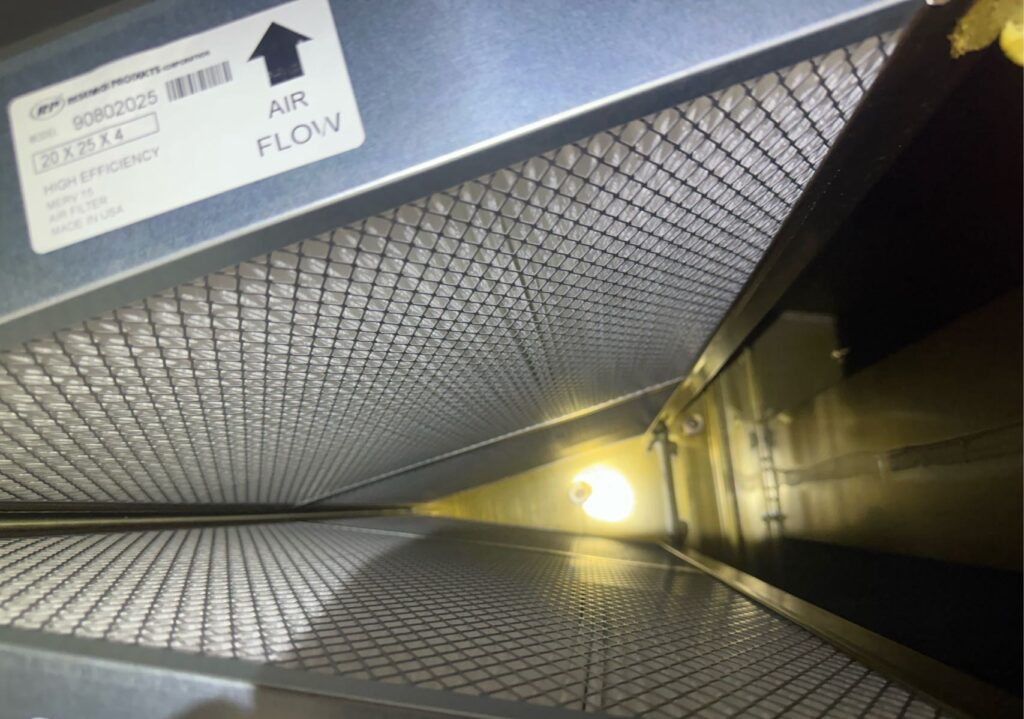
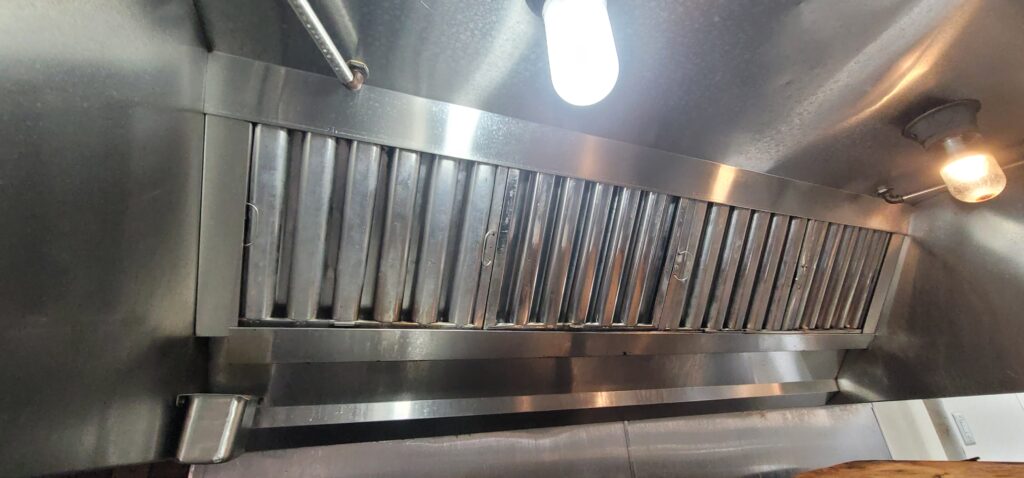
Article Summary What Every Atlanta Restaurant Owner Should Know But Often Doesn’t Opening a restaurant in Atlanta involves an enormous amount of learning in a compressed period of time. Menu development, staffing, lease negotiations, equipment procurement, health department licensing, liquor licensing, fire code permitting, POS systems, vendor relationships. The list of things a new restaurant operator needs to understand is long, and not everything gets the same depth of attention. The commercial kitchen exhaust system tends to fall into a category that gets surface-level attention during the opening process and then gets managed reactively afterward. The hood cleaning company gets scheduled because the fire inspector requires it. The service happens when it gets scheduled. The sticker goes on the hood. And for many Atlanta restaurant operators, that’s roughly the extent of the engagement with the exhaust system until something goes wrong. That approach works until it doesn’t. The fire inspection that cites an overdue cleaning because the interval stretched past the NFPA 96 requirement. The exhaust fan that fails during a Saturday dinner service because bearing wear from grease imbalance finally reached the point of failure. The rooftop grease problem that becomes a building landlord dispute because nobody was monitoring the accumulation above the kitchen. The kitchen that runs progressively hotter and smokier until someone finally connects it to a failing exhaust system rather than just a hot summer. This guide is designed to give Atlanta restaurant owners a working knowledge of their exhaust system that’s practical, actionable, and grounded in the regulatory and operational reality of running a commercial kitchen in this city. It’s not a technical engineering document. It’s what you need to know to make good decisions about one of your kitchen’s most important systems. Part One: How the System Is Built and What Each Component Does Understanding what the exhaust system is made of and what each component contributes makes it possible to understand why maintenance requirements exist and what goes wrong when they’re not followed. The Hood Canopy The hood canopy is the visible part of the exhaust system that hangs above the cooking equipment. It’s a sheet metal enclosure designed to capture the rising column of heat, steam, smoke, and grease vapor that cooking equipment produces. The canopy needs to be sized and positioned correctly to provide adequate coverage over the cooking equipment below. NFPA 96 specifies minimum overhang dimensions, the distance the canopy extends beyond the cooking surface on all sides, to ensure that the vapors rising from the full width and depth of the cooking equipment are drawn into the exhaust pathway rather than escaping into the kitchen. There are two primary types of commercial kitchen hoods. Type I hoods are used over cooking equipment that produces grease-laden vapors, including ranges, fryers, charbroilers, griddles, wok burners, and solid-fuel cooking equipment. They include grease filtration components and are subject to the full requirements of NFPA 96. Type II hoods are used over equipment that produces heat and moisture but not grease, such as commercial dishwashers, steamers, and ovens used for non-greasy preparations. Most of the fire safety requirements in NFPA 96 apply to Type I hoods. If your kitchen has both types, they need to be correctly identified and maintained accordingly. The hood canopy is constructed to specific material and gauge requirements under both NFPA 96 and the International Mechanical Code as adopted by Georgia. For Type I hoods, the materials must be grease-tight and capable of withstanding the temperatures generated during a cooking fire. The Plenum Chamber The plenum is the internal chamber inside the hood canopy, behind the baffle filters. It’s the space where cooking vapors are collected after passing through or around the filters before being drawn into the duct system. The plenum interior surfaces accumulate grease deposits continuously during cooking operations, and in a high-volume kitchen the plenum can develop significant accumulation within days of a professional cleaning. Inspectors look at the plenum interior when evaluating hood condition. Significant grease accumulation on the plenum surfaces is one of the most common findings during Atlanta fire inspections and one of the clearest indicators of inadequate cleaning frequency or incomplete cleaning scope. The Baffle Filters Baffle filters are the removable grease separation panels installed in the filter rack inside the hood. They’re the workhorse component of the grease capture process. Cooking vapors entering the filter face are forced through a series of directional changes created by the baffle geometry. Grease particles, heavier than the air carrying them, can’t make the sharp directional changes and deposit on the baffle surfaces instead. Baffle filters are designed to be removable for cleaning. In most Atlanta commercial kitchens, kitchen staff should be cleaning the baffle filters regularly between professional service visits, at a frequency appropriate to cooking volume. Daily cleaning is appropriate for high-volume operations. Weekly or bi-weekly cleaning suits many moderate-volume kitchens. The filter rack, the frame that holds the baffle filters in the hood, needs to be fully populated with correctly sized and properly installed filters at all times. A missing filter creates an unfiltered pathway directly into the duct system. A damaged filter that can’t effectively separate grease particles is nearly as problematic as a missing one. Both conditions are citable during Atlanta fire inspections. The Grease Collection System Below the baffle filters, the hood includes grease collection components that capture the drips draining from the filter surfaces. Drip troughs channel grease into grease cups or collection containers, keeping it from falling onto the cooking equipment below. These components need to be emptied regularly. In high-volume kitchens, daily emptying may be necessary during busy service periods. Overflowing grease cups that allow liquid grease to drip onto hot cooking equipment are both a fire hazard and an inspection violation. The Grease Duct System The grease duct is the enclosed metal pathway that carries cooking exhaust from the hood to the exhaust fan and out of the building. In NFPA 96 terminology, a grease duct is specifically a duct designed and constructed for
Why Busy Atlanta Restaurants Need Regular Exhaust Fan Cleaning
Article Summary The Component Nobody Thinks About Until It Fails There’s a piece of equipment on the rooftop above your Atlanta commercial kitchen that’s running every service, working against increasing resistance as grease accumulates on its blades, generating vibration that’s wearing on its bearings, and sitting in the middle of a growing pool of grease on the rooftop membrane around its base. Most of the time, nobody in the kitchen below is thinking about it at all. The rooftop exhaust fan doesn’t announce itself during normal service. It runs. The kitchen ventilates. Cooking vapors go up and out. For the kitchen team working a busy dinner service, the exhaust fan is as invisible as the electrical panels or the water supply lines. It’s infrastructure that works in the background until the moment it doesn’t. When it stops working, or starts working poorly enough that the consequences become obvious, the effects reach every corner of the kitchen simultaneously. Smoke hangs in the air. The kitchen temperature climbs. Cooking odors drift into the dining room. The grease that should have been carried out of the building is instead depositing on kitchen surfaces. And if the fan fails completely during a service, the kitchen may not be able to operate at all until the problem is addressed. In Atlanta’s busiest restaurant kitchens, the exhaust fan is under more stress than most operators realize. The city’s high-volume cooking culture, its warm climate that makes kitchen heat management more demanding, and its older building stock that sometimes forces exhaust systems through longer and more complex duct runs all put additional load on the fan that sits at the top of the system. Understanding what’s happening to that fan between cleanings, what the consequences of neglecting it look like in practice, and why regular professional cleaning is the most direct way to protect it is genuinely useful knowledge for every Atlanta restaurant operator running a busy kitchen. What the Exhaust Fan Actually Does Before getting into the problems that develop without regular cleaning, it’s worth being precise about what the exhaust fan does and why its performance matters for everything else in the ventilation system. The exhaust fan’s job is to create the pressure differential that drives airflow through the entire exhaust system. It pulls air from the kitchen through the hood, through the baffle filters, through the grease ducts, and discharges it to the outside above the roofline. Everything else in the exhaust system, including the hood’s capture velocity at the cooking surface, the grease separation happening in the baffle filters, and the movement of cooking vapors through the duct, depends on the exhaust fan creating sufficient airflow to make those functions work. In a properly functioning system, the fan is sized to deliver a specific cubic feet per minute (CFM) of airflow against the total resistance presented by the hood, filters, and duct system. That CFM rating is the design basis for the hood’s capture velocity, which is the speed at which air is drawn into the hood at the cooking surface. When the fan delivers its rated airflow, the hood captures cooking vapors effectively. When it delivers less, capture efficiency drops and everything downstream is affected. Commercial kitchen exhaust fans are either direct-drive units, where the motor shaft connects directly to the impeller, or belt-drive units, where a drive belt connects the motor to the impeller assembly. Both types are subject to the grease accumulation problems described in this article, though the mechanical maintenance considerations differ somewhat between them. Most commercial kitchen exhaust fans in Atlanta are upblast or utility exhaust fans mounted on rooftop curbs above the duct outlet. The impeller draws air up through the duct and discharges it horizontally or upward away from the rooftop surface. The grease in the exhaust airstream that isn’t discharged into the atmosphere deposits on the impeller blades, the fan housing, and the rooftop surface around the discharge point. What Happens to the Exhaust Fan Between Cleanings The accumulation process on an exhaust fan is continuous and progressive. Understanding the specific stages helps Atlanta restaurant operators calibrate how seriously to take the maintenance schedule for this component. The First Weeks After Cleaning Immediately after a professional cleaning that includes the exhaust fan, the impeller blades are bare metal, the fan housing is clean, and the fan is running at its rated efficiency. The bearings are operating without the vibration loads that grease imbalance creates. The rooftop area around the fan discharge is clean. Within the first days of service, grease particles carried by the exhaust airstream begin depositing on the impeller blades and the interior of the fan housing. The deposits are thin, light in color, and have minimal effect on fan performance at this stage. This is the baseline condition the cleaning restored the fan to, and it begins changing from the first moment the kitchen resumes cooking. One Month of Service in a High-Volume Kitchen In a high-volume Atlanta kitchen running charbroilers, wok burners, or fryers through extended service hours, grease accumulation on the exhaust fan impeller can be visible and measurable within a single month of operation. The deposits on the blade surfaces are thickening and beginning to affect the blade profiles. The fan’s aerodynamic efficiency has started to decline. More significantly, the grease deposition on the impeller blades is not uniform. Different blades accumulate slightly different amounts depending on their position in the rotation, the specific airflow patterns within the fan housing, and the way grease particles in the exhaust airstream contact the rotating assembly. This non-uniform accumulation begins creating an imbalance in the rotating impeller. The imbalance is small at this stage, but it’s real, and it’s generating vibration loads on the fan’s bearings that weren’t present when the impeller was clean. Two to Three Months Without Cleaning By the two-to-three-month mark in a high-volume kitchen, the grease deposits on the impeller blades have grown significantly. The blade profiles are meaningfully changed from their clean geometry. The fan’s output
Common Exhaust System Problems Found in Atlanta Commercial Kitchens
Article Summary Why the Same Problems Keep Appearing Walk through enough commercial kitchens across Atlanta and a pattern emerges quickly. From the dense restaurant corridors of Buckhead and Midtown to the converted industrial kitchens in West Midtown and the neighborhood spots scattered through Decatur, East Atlanta, and College Park, the exhaust system problems inspectors and cleaning technicians find are remarkably consistent. That consistency isn’t a coincidence. Exhaust system problems in commercial kitchens cluster around a predictable set of causes: deferred maintenance, incomplete cleaning, equipment age, original design limitations, and operational changes that weren’t reflected in corresponding maintenance adjustments. These causes exist in every active commercial kitchen market, and Atlanta’s combination of high cooking volumes, older building stock, and a demanding regulatory framework makes them particularly visible here. Understanding which problems are most common, what causes them, and what they look like in practice is genuinely useful for Atlanta restaurant operators. It makes it possible to identify emerging problems before they become serious violations, to communicate more effectively with professional cleaning companies and HVAC contractors, and to make better decisions about maintenance schedules and capital expenditures. This article works through the most common exhaust system problems found in Atlanta commercial kitchens in detail. Each one includes a description of what’s happening physically, the symptoms that signal its presence, and the corrective action that actually addresses it rather than just masking the symptom. Problem #1: Grease Accumulation Beyond Safe Thresholds This is the most common exhaust system problem found in Atlanta commercial kitchens, and it’s the one that drives the largest share of fire inspection violations across both city and county jurisdictions. What’s happening: Grease accumulation beyond safe thresholds means the grease deposits inside the hood, duct system, exhaust fan, and rooftop have reached levels that NFPA 96 considers a meaningful fire risk. The accumulation has exceeded what the cleaning schedule is removing, either because the schedule is set at the wrong frequency for the kitchen’s actual cooking volume, because the cleaning being performed isn’t reaching all parts of the system, or because the cleaning has simply been deferred past its required interval. The grease doesn’t accumulate evenly. It builds fastest at: Symptoms: Corrective action: Professional hood cleaning that covers the complete exhaust system — hood canopy, plenum, baffle filters, grease collection components, duct interior through all accessible panels, exhaust fan assembly, and rooftop discharge area — performed to NFPA 96’s bare-metal standard. After the cleaning, the forward-going schedule needs to be set at the correct NFPA 96-required frequency for the kitchen’s actual cooking type and volume, not a generic assumption. The frequency requirements under NFPA 96 that Atlanta kitchens need to follow: Problem #2: Incomplete Cleaning That Misses Critical System Sections This problem is more prevalent in Atlanta commercial kitchens than operators realize, largely because the signs of it aren’t immediately apparent after a cleaning visit. The hood looks cleaner, a service sticker has been applied, and the operator believes the system has been properly serviced. The problem is that the cleaning stopped at the visible surfaces and never reached the duct interior, the exhaust fan, or the rooftop. What’s happening: Some hood cleaning companies, particularly those competing primarily on price, limit the scope of their service to the visible surfaces of the hood canopy and the exterior of the baffle filters. This approach produces a hood that looks cleaner after the visit but leaves the grease accumulation in the duct system, on the fan impeller, and on the rooftop completely unaddressed. The service sticker and the invoice say a cleaning happened. NFPA 96’s bare-metal standard was not met for the complete system. Over time, a kitchen receiving this type of incomplete service accumulates grease in the duct interior and exhaust fan at the same rate as a kitchen receiving no service at all, because the incomplete cleaning doesn’t touch those components. The first time a professional cleaning company opens the access panels in a kitchen that’s been receiving incomplete service for a year or more, they often find significant and sometimes alarming grease accumulation that the periodic sticker dates on the hood suggested shouldn’t be there. Symptoms: Corrective action: Switch to a professional hood cleaning company that explicitly includes the complete exhaust system in every service. Before engaging a new company, ask directly: A company that can answer all of these questions specifically and confidently is performing a different level of service than one that hedges or answers vaguely. After switching to a complete-system cleaning provider, the first service on a kitchen that’s been receiving incomplete cleaning may uncover significant accumulation in the duct system that requires additional time and effort to bring to bare metal. Problem #3: Missing, Damaged, or Incorrectly Installed Baffle Filters Baffle filters are the workhorses of the grease separation process in a commercial exhaust system, and problems with them affect both fire safety and system performance immediately and continuously. What’s happening: Filter problems in Atlanta commercial kitchens fall into several categories. Missing filters, where a position in the filter rack is simply empty, allow unfiltered grease vapor to enter the duct system directly through the gap. Damaged filters, where the baffle geometry has been bent, cracked, or distorted by impact or improper handling, no longer separate grease particles effectively. Incorrectly installed filters, positioned upside down or backward relative to their designed airflow direction, also fail to provide effective grease separation. And filters that are so heavily loaded with hardened grease that they’re effectively solid panels restrict airflow severely while providing minimal additional grease capture benefit. Each of these conditions has a direct consequence for the duct system: more grease vapor passes through to the duct interior than the system was designed to handle, accelerating accumulation in the ductwork and at the exhaust fan. Symptoms: Corrective action: Inspect the filter array during each cleaning service and address any problems found: Filter inspection and correction should be part of every professional hood cleaning service. Between professional cleanings, kitchen staff performing regular filter cleaning should note and
How Atlanta Restaurant Owners Can Improve Kitchen Airflow and Ventilation
Article Summary The System Most Restaurant Operators Don’t Fully Understand Ask most Atlanta restaurant operators about their kitchen’s ventilation system, and you’ll get a general answer. There’s a hood above the cooking equipment. There’s a fan on the roof. Air goes up and out. Beyond that, the details get vague quickly. That vagueness is understandable. Kitchen ventilation is a mechanical system that mostly runs in the background, doing its job without requiring active management during normal service. But when it starts failing, the effects spread across every aspect of kitchen operations in ways that are immediately obvious even if their source isn’t. Smoke hanging in the kitchen. Staff complaining about the heat. Cooking smells drifting into the dining room. Energy bills climbing without explanation. An inspector citing a hood system that’s not maintaining proper capture. These are all airflow problems, and every one of them has a specific mechanical cause that points back to how the ventilation system is performing. Atlanta’s commercial kitchen operators face ventilation challenges that are specific to this city. The climate creates heat management demands that make good airflow more important than in cooler markets. The building stock includes many older commercial spaces where ventilation systems were retrofitted rather than purpose-designed. The cooking culture, which spans high-temperature charbroiling, wok cooking, wood-fired preparations, and high-volume frying, generates ventilation loads that push systems hard. And the regulatory framework, including NFPA 96, the International Mechanical Code as adopted by Georgia, and Atlanta Fire Rescue Department enforcement, sets performance standards that a poorly maintained or poorly balanced ventilation system can’t meet. This article covers how commercial kitchen ventilation actually works, what goes wrong with it in Atlanta kitchens, and the specific steps restaurant operators can take to improve airflow and ventilation performance without necessarily rebuilding the entire system. How Commercial Kitchen Ventilation Is Supposed to Work Before addressing improvements, it’s worth building a clear picture of how a well-functioning commercial kitchen ventilation system is designed to operate. This foundation makes it possible to diagnose problems accurately rather than guessing. A commercial kitchen ventilation system has two primary components that work together as a matched pair: the exhaust system and the makeup air system. These two components are designed as a balanced system, and the balance between them is the foundation of good kitchen ventilation. The Exhaust System The exhaust system’s job is to capture cooking vapors, heat, smoke, and grease particles at the source and remove them from the kitchen. It consists of the hood canopy positioned above the cooking equipment, the baffle filters that separate grease particles from the airstream, the grease collection components, the duct system that carries exhaust air from the hood to the outside, and the exhaust fan that creates the airflow driving the system. The performance characteristic that matters most in the exhaust system is capture velocity, the speed at which air is drawn into the hood at the cooking surface. Adequate capture velocity pulls cooking vapors into the exhaust pathway before they can spread into the kitchen environment. Insufficient capture velocity allows vapors to escape the capture zone, depositing grease on kitchen surfaces and allowing smoke and odors to migrate throughout the space. Capture velocity is determined by the exhaust fan’s output, the hood’s geometry, and the resistance to airflow presented by the filters, duct system, and the fan itself. When any of these components degrades, such as when filters load with grease or fan impeller blades accumulate deposits, capture velocity decreases. The Makeup Air System Every cubic foot of air the exhaust system removes from the kitchen must be replaced by an equal volume coming in. This replacement air is called makeup air, and the system that supplies it is the makeup air unit or system. In most Atlanta commercial kitchens, makeup air is supplied through a dedicated air handling unit that conditions the incoming air before delivering it to the kitchen. In Atlanta’s climate, this means cooling and dehumidifying the makeup air during summer months and heating it during cooler months. The makeup air system’s delivery location and method matter as much as its volume output. Makeup air delivered directly at the cooking surface through short-circuit supply, meaning air that goes immediately into the exhaust system without first circulating through the kitchen, reduces the system’s effective ventilation of the kitchen space. Makeup air delivered in ways that support the hood’s capture velocity, such as through front-face supply that creates a curtain of air supporting the hood’s draw, or ceiling diffusers positioned to avoid disrupting the hood’s airflow pattern, contributes to better overall system performance. The Balance Between Exhaust and Makeup Air The relationship between exhaust volume and makeup air volume determines the kitchen’s pressure relative to adjacent spaces. A kitchen that’s exhausting more air than the makeup air system is supplying runs under negative pressure. Air infiltrates through door gaps, service windows, and other openings to make up the difference. A kitchen running under modest negative pressure is generally desirable because it prevents cooking odors from migrating into the dining room, the air flows from the dining room toward the kitchen rather than the reverse. A kitchen that’s exhausting dramatically more than the makeup air system supplies runs under strong negative pressure, which creates problems. Gas appliance combustion can be affected. Door operation becomes difficult. The pressure differential can pull conditioned air out of the dining room at a rate that affects the HVAC system serving the front of house. And the makeup air deficit, filled by uncontrolled infiltration, means the ventilation system is not delivering the designed airflow pattern. A kitchen where the makeup air system is supplying more air than the exhaust system is removing runs under positive pressure, which pushes cooking odors and heat into the dining room and adjacent spaces. This is a less common problem than negative pressure deficit but occurs in kitchens where the original makeup air system was oversized or where the exhaust system’s capacity has been reduced by grease accumulation. Getting this balance
The Hidden Impact of Dirty Exhaust Ducts on Atlanta Restaurant Operations

Article Summary Beyond the Violation Notice When the conversation about exhaust duct cleanliness comes up in Atlanta restaurant circles, it usually goes straight to fire safety and inspection compliance. Those are real concerns and they deserve the attention they get. But framing dirty exhaust ducts purely as a fire hazard and a regulatory problem leaves out a significant part of the story. The exhaust duct system running through your commercial kitchen isn’t just a fire containment pathway. It’s working infrastructure that affects how efficiently your kitchen operates, how effectively your cooking equipment performs, how comfortable and productive your staff are during service, and what your energy bills look like at the end of every month. When that infrastructure is dirty, all of these things are affected in ways that rarely get connected back to the duct system itself. A chef who’s hot and uncomfortable during service might chalk it up to a difficult summer. A kitchen manager dealing with persistent cooking odors drifting into the dining room might think it’s a ventilation design problem. An owner looking at a repair bill for a failed exhaust fan motor might consider it bad luck. An operator watching energy costs climb without an obvious explanation might blame utility rate increases. In each of these cases, the dirty exhaust duct system may be the actual source of the problem, running quietly in the background and affecting operations across multiple dimensions simultaneously. This article covers the hidden operational impacts of dirty exhaust ducts in Atlanta commercial kitchens, working through each one in enough detail to make the connection clear and the solution obvious. Hidden Impact #1: Cooking Equipment Running Harder Than It Should The relationship between a dirty exhaust duct system and cooking equipment performance is not immediately intuitive, but it’s real and it costs Atlanta restaurants money every service. Commercial cooking equipment is designed to operate in an environment where the ventilation system is maintaining appropriate airflow above and around the cooking surface. Gas burners, in particular, depend on adequate combustion air supply to run at their designed efficiency. When the exhaust system’s airflow is compromised by grease-loaded ducts, filters, and a struggling exhaust fan, the kitchen’s ventilation balance changes. In a kitchen with a compromised exhaust system pulling less air than its design specification, the makeup air system that supplies replacement air to the kitchen may not be delivering air in the patterns that cooking equipment was designed to receive. Gas burners can experience variations in their combustion air supply that affect flame stability, temperature consistency, and in some cases produce higher carbon monoxide output than a properly ventilated burner. Beyond combustion performance, cooking equipment operating in a poorly ventilated kitchen environment, one where the exhaust system isn’t capturing cooking vapors efficiently, is exposed to higher ambient grease levels. Grease deposits on burner ports, on thermostat sensors, on ignition components, and on the mechanical parts of cooking equipment more rapidly in a kitchen where vapors are escaping the capture zone rather than being pulled cleanly into the exhaust system. This accelerates the maintenance needs of the cooking equipment itself, independent of the exhaust system maintenance issue. The practical consequence in a busy Atlanta kitchen is cooking equipment that needs more frequent cleaning, more frequent calibration, and more frequent repair than the same equipment would need in a kitchen where the exhaust system is being properly maintained. These equipment costs don’t show up on a line item labeled “dirty ducts.” They show up in the maintenance budget, in technician callout fees, and in equipment replacement schedules that come around sooner than they should. Hidden Impact #2: Energy Costs That Climb Without a Clear Explanation Energy consumption in commercial kitchens is a significant operating cost, and exhaust systems are among the more energy-intensive components in a kitchen’s mechanical infrastructure. When the exhaust system is dirty, energy consumption increases in ways that operators rarely trace back to duct maintenance. The exhaust fan motor’s energy consumption is directly related to the airflow resistance it’s working against. A clean exhaust system, with open baffle filters and clean duct walls and fan impeller, presents a certain total resistance to airflow. The motor works against that resistance to produce the designed airflow rate, consuming electrical energy at a rate consistent with its specification. As the system accumulates grease between cleanings, the total airflow resistance increases. Loaded baffle filters restrict airflow at the inlet. Grease deposits on duct walls reduce the effective cross-sectional area of the duct. Grease on the fan impeller blades changes their aerodynamic profile and reduces the fan’s effective output per unit of energy input. The motor works harder to produce the same airflow output, and in many cases produces less airflow despite working harder. The energy cost difference between a clean exhaust system and a significantly loaded one varies by system size and configuration, but in a large commercial kitchen running an exhaust system continuously during extended service hours, the difference in motor energy consumption between a clean system and a grease-loaded one can be meaningful on a monthly basis. The makeup air system amplifies this effect. If the exhaust system is running at reduced efficiency, the makeup air system’s conditioning load changes. In Atlanta’s summer months, makeup air that’s being conditioned to a comfortable temperature before entering the kitchen represents a significant HVAC load. Inefficiency in the exhaust system creates downstream inefficiency in the conditioning system that handles the makeup air, adding to the total energy cost of the degraded ventilation situation. Atlanta restaurant operators who’ve noticed unexplained increases in energy costs over the course of a year without obvious changes in equipment or operating hours should consider the exhaust system as a possible contributor. A professional cleaning that restores the system to its designed airflow efficiency often produces a noticeable reduction in energy consumption in the weeks following the service. Hidden Impact #3: Staff Comfort, Productivity, and Retention Atlanta’s restaurant labor market is competitive. Finding and keeping good kitchen staff is one of the
What Happens Inside a Commercial Kitchen Exhaust System Between Cleanings in Atlanta
Article Summary A System Running in the Dark There’s a part of your commercial kitchen that’s working every single service, accumulating a fire hazard with every hour of cooking, and is almost entirely invisible during the normal course of running a restaurant. It’s not the grease trap. It’s not the walk-in cooler. It’s the exhaust system running from the hood above your cooking equipment, through the ductwork inside your walls and ceilings, to the exhaust fan sitting on your rooftop. Between professional cleanings, a lot is happening inside that system. Grease is depositing. Deposits are hardening. Chemical changes are occurring in the material that’s accumulating on duct walls. The exhaust fan is working harder against increasing resistance. Fire risk is building in increments too small to notice day to day but significant enough to matter over the weeks and months between service visits. Most Atlanta restaurant operators don’t think much about what’s happening in the parts of the exhaust system they can’t see. That’s understandable. There are more immediate things demanding attention during a service. But the things happening inside the exhaust system between cleanings are precisely the things that make professional cleaning schedules necessary and non-negotiable. This article takes a detailed look at the accumulation process from beginning to end, tracing what happens at each stage of the exhaust system between cleanings and explaining why the physical and chemical reality of that process is the foundation for every cleaning frequency requirement Atlanta fire inspectors enforce. Stage One: The Hood Canopy and Plenum The accumulation process begins immediately above the cooking surface, the moment cooking starts. When heat is applied to food, fats and oils in the food and on the cooking surface vaporize. This vaporization creates a rising column of hot, grease-laden air above the cooking equipment. In a properly functioning exhaust system, the hood’s capture velocity, the speed at which the hood draws air inward and upward, pulls this column into the exhaust pathway before it has a chance to spread into the kitchen environment. As the grease-laden air enters the hood canopy, it passes through the plenum chamber, the space behind the baffle filters. Here, the air velocity changes as it spreads across the plenum area before being concentrated into the filter sections. This velocity change causes some grease particles to fall out of suspension and deposit directly on the plenum’s interior surfaces. These deposits are the earliest accumulation point in the system. During the first days and weeks after a professional cleaning, plenum deposits are thin, pale, and relatively minor. In a high-volume kitchen, the deposits are visible within a day or two of resuming service after a cleaning. In a lower-volume operation, visible accumulation may take longer to develop. But in every active commercial kitchen, deposition in the plenum is a continuous process that begins at the first cooking service after a cleaning and doesn’t stop until the next one. What the plenum accumulation looks like over time: Days one through seven after cleaning. Light, amber-colored film beginning to develop on the upper interior surfaces of the plenum. In high-volume kitchens, visible residue is already present. In lower-volume operations, the surfaces may look nearly clean. Two to four weeks after cleaning. In high-volume operations, a visible grease coating has developed. The surfaces are tacky. Deposits are beginning to accumulate in corners and along the joints between plenum panels where airflow turbulence causes additional particle deposition. In lower-volume kitchens, accumulation is lighter but present. One to three months after cleaning. Depending on cooking volume and type, the plenum surfaces in an uncleaned system have developed a meaningful grease layer. The deposits are darkening as the grease oxidizes. In high-volume kitchens, the accumulation at this stage may already exceed what NFPA 96’s bare-metal standard would consider compliant, which is exactly why those kitchens require monthly cleaning. Beyond three months without cleaning. In high-volume kitchens, the plenum deposits have progressed from a coating to a layer. The material is hardening and darkening. In some areas of the plenum, particularly corners and horizontal surfaces, the deposit depth is measurable. The grease has been through enough heating cycles to have begun breaking down chemically, producing a material that is both more difficult to remove and more flammable than fresh grease. Stage Two: What’s Happening at the Baffle Filters The baffle filters are doing the most visible and most active work in the system between cleanings, and what happens to them between service visits directly affects everything downstream. Baffle filters work through inertial separation. The cooking vapors enter the filter at one face, are forced through a series of directional changes created by the baffle geometry, and exit through the other face into the plenum. Grease particles, heavier than the air carrying them, can’t make the directional changes as sharply as the air can. They hit the baffle surfaces and adhere. On the first day of service after a professional cleaning, the filter surfaces are bare metal and the baffle channels are fully open. Grease particles deposit on the baffle surfaces, but the open channels ensure that airflow resistance through the filters is at its designed minimum. The system is working exactly as it was designed to work. As cooking continues over the following days and weeks, the baffle surfaces accumulate grease. The channels between baffles begin to narrow as deposits build on both sides of each baffle. Airflow resistance through the filter increases as the open area decreases. The filter is still capturing grease, but it’s working harder to let air through. The relationship between filter loading and system performance is not linear. A filter that’s 25 percent loaded has only slightly more airflow resistance than a clean filter. A filter that’s 75 percent loaded has dramatically more resistance, and the relationship between loading and resistance accelerates as the filter becomes more saturated. In a high-volume kitchen running without filter cleaning between professional service visits, the baffle filters can reach a state of significant loading within two to three
Why Atlanta Restaurants Should Prioritize Exhaust System Maintenance Year-Round
Article Summary The Myth of the “Off-Season” for Kitchen Maintenance Ask a restaurant operator in many parts of the country about their slow season, and they’ll describe a genuine lull. A beach town restaurant that closes for three months in winter. A ski resort kitchen that shuts down in summer. A tourist-dependent business that sees dramatic volume drops between peak travel periods. For those operations, “off-season” means something real, and the argument for scheduling heavy maintenance during that period has logic behind it. Atlanta doesn’t really work that way. The city’s restaurant industry is fed by a diverse mix of drivers that don’t all slow down at the same time. The convention and hospitality sector keeps hotel kitchens busy throughout the business calendar. Georgia Tech, Emory, Georgia State, and Atlanta’s other universities generate campus dining volume during the academic year. The corporate dining sector runs on the business week schedule fifty weeks a year. The city’s neighborhood restaurants, particularly in areas like Inman Park, Virginia-Highland, Decatur, and Ponce, serve communities with year-round dining habits that don’t follow a seasonal pattern. Even operations that do experience seasonal volume variation are still cooking consistently throughout the year. A restaurant that does 30 percent more covers in the fall than in January is still running full kitchen services every week in January. The exhaust system accumulates grease during every one of those services, not just during the peak months. The practical consequence is that there’s no reliable “right time” to cluster all of your exhaust system maintenance into a short window. The grease accumulation is happening continuously, the fire risk it creates is present continuously, and the code compliance obligation is in force continuously. Year-round maintenance isn’t a nice-to-have for Atlanta restaurants. It’s what the operating reality of this city’s food service industry actually requires. What “Year-Round” Maintenance Actually Means Before getting into why it matters, it’s worth being specific about what year-round exhaust system maintenance looks like in practice. It doesn’t mean cleaning more often than NFPA 96 requires. It means cleaning consistently at the frequency the code requires, without allowing seasonal assumptions, operational busyness, or scheduling inertia to create gaps. For a high-volume Atlanta kitchen using charbroilers or wok burners, year-round maintenance means monthly professional cleaning every month. January, April, July, October, all of them. For a moderate-volume kitchen on a quarterly schedule, it means a service every three months without deferring or extending the interval because of a slow period or a schedule conflict. For lower-volume operations on semi-annual or annual schedules, it means not letting those intervals stretch to eight months or fourteen months because the kitchen has been busy or because the previous cleaning “seemed recent.” Beyond the professional cleaning schedule, year-round maintenance includes the in-between practices that keep the system functioning properly between service visits. Baffle filter cleaning on a regular schedule appropriate to cooking volume. Monitoring the visible signs of grease accumulation. Keeping service documentation organized and accessible. Checking the service sticker date against the required frequency. None of this is complicated or time-intensive in a well-organized kitchen. The challenge is consistency, and the obstacle to consistency is usually not knowledge but competing priorities. Year-round exhaust system maintenance competes for attention with everything else that’s happening in a busy Atlanta kitchen, and in the absence of a clear system for keeping it on track, it tends to slip. Atlanta’s Climate and Its Effect on Year-Round Grease Management Atlanta’s climate is worth addressing specifically because it does affect exhaust system maintenance in ways that are relevant to year-round planning. Heat and Humidity Atlanta summers are long, hot, and humid by national standards. High ambient temperatures in a commercial kitchen that’s already generating significant heat from cooking equipment create a more intense working environment than the same kitchen experiences in cooler months. From a grease management perspective, elevated ambient temperatures affect how grease deposits behave inside the exhaust system. Grease deposits that remain relatively solid during cooler months can become softer and more mobile during peak summer heat, which affects migration patterns within the duct system and the rate at which grease reaches the exhaust fan and rooftop discharge point. High humidity in Atlanta’s summers also affects the kitchen environment in ways that interact with grease accumulation. Moisture and grease on kitchen surfaces create conditions that are more hospitable to biological growth than either would be alone. Kitchens that are managing grease accumulation well during the cooler months but falling behind during summer heat have a compounding problem because the conditions in which that grease is accumulating are more biologically active. Seasonal Menu Shifts and Cooking Volume Atlanta restaurants respond to seasonal conditions with menu shifts that affect the types and quantities of grease they generate. Summer menus in Atlanta often lean toward outdoor cooking styles and grilling preparations. Fall menus shift toward heartier preparations, roasting, and techniques that run cooking equipment at high temperatures for extended periods. A restaurant that moves from a lighter spring menu to a fall menu featuring braised short ribs, roasted chicken, and pan-seared fish is changing its grease production profile in ways that may warrant a reassessment of cleaning frequency. Outdoor dining season in Atlanta extends well beyond what it does in colder markets. Restaurants with significant patio operations see volume distributions throughout the year that don’t match national averages. When outdoor dining is contributing meaningfully to total covers, the kitchen is running harder than the indoor seating count alone would suggest, and the exhaust system is reflecting that load. Pollen and Particulates Atlanta’s notorious pollen season, which runs roughly from late February through May, introduces elevated particulate loads into the ambient air that commercial exhaust systems pull through. Exhaust fans, makeup air intakes, and HVAC systems all handle significantly higher particulate loads during peak pollen months. While pollen itself doesn’t change the grease accumulation dynamic inside the duct system, the combination of high pollen and grease deposits in exhaust components creates a more complex maintenance situation that justifies closer monitoring
How Grease Buildup Affects Restaurant Kitchens Across Atlanta
Article Summary The Problem That’s Always Running in the Background Every commercial kitchen in Atlanta is producing grease constantly. It doesn’t matter whether the menu is Southern comfort food in a Grant Park neighborhood restaurant, stir-fry in a Buford Highway institution, burgers in a fast-casual counter-service spot, or hotel banquet food for a Buckhead conference. Wherever there’s heat and food being cooked, there’s grease vapor rising, depositing, and accumulating on every surface it touches. Most of the time, this process runs in the background without anyone paying much attention to it. The exhaust system is doing its job, the baffle filters are capturing what they’re designed to capture, and the grease that makes it past the filters is building up in the duct system in ways that aren’t visible during a normal service. It’s only when the accumulation reaches a critical point that the consequences become impossible to ignore. By that point, the damage is often already significant. Grease buildup in commercial kitchens doesn’t produce a single dramatic warning sign. It produces a slow progression of worsening conditions that affect the exhaust system, the cooking equipment, the building structure, the kitchen’s fire risk profile, and its regulatory compliance status all at once. Understanding that progression in detail helps Atlanta restaurant operators recognize where they are in the cycle and what they need to do about it. How Grease Gets Into the Exhaust System Before getting into the effects of grease buildup, it’s worth understanding the physical process by which grease enters and accumulates in a commercial exhaust system. The mechanics are important because they explain why professional cleaning is the only effective long-term solution. When food is cooked on a commercial range, fryer, charbroiler, griddle, or wok, the heat vaporizes fats and oils from the cooking surface and the food itself. These vaporized fats rise as fine aerosol particles carried in the hot air column above the cooking equipment. The exhaust hood draws this vapor-laden air upward and into the ventilation system. Baffle filters, positioned inside the hood directly above the cooking surface, are designed to separate grease particles from the airstream using a series of baffles that force the air to change direction rapidly. As the airstream changes direction, grease particles are too heavy to follow the turns and deposit on the filter surfaces. The filters capture a significant percentage of the grease in the airstream, but not all of it. Finer particles make it through. The particles that pass through the filters continue into the duct system, where they begin depositing on the interior duct walls. Grease deposits in the duct system build up over time in layers. Fresh deposits are soft, tacky, and amber-colored. As they age and continue to accumulate, they harden and darken. In high-volume kitchens operating for extended periods without cleaning, the grease deposits inside a duct system can reach depths measured in inches rather than millimeters. The exhaust fan at the end of the duct run catches grease that makes it all the way through the system. Grease deposits on the fan impeller blades, on the motor housing, and eventually escapes through the discharge point onto the rooftop surface below. At each stage of this journey, the grease is affecting the system it’s passing through. Effect #1: Fire Risk That Compounds Over Time The most serious consequence of grease buildup in a commercial kitchen exhaust system is the fire risk it creates. This isn’t a theoretical concern. It’s the reason NFPA 96 exists and the reason Atlanta fire inspectors spend so much time evaluating exhaust system conditions during commercial kitchen inspections. Grease is combustible. The flash point of many cooking oils and fats is in the range of 300 to 400 degrees Fahrenheit. The autoignition temperature, the point at which the material ignites without an external flame, varies by composition but is generally in the 500 to 700 degree range for common cooking fats. Commercial kitchen cooking surfaces regularly operate at temperatures that approach or exceed these thresholds, particularly on high-output charbroilers, wok burners, and deep fryers. When grease deposits inside a duct system are exposed to the heat generated during normal cooking operations, they don’t ignite immediately. The accumulation has to reach a sufficient depth and the heat exposure has to be sufficient to raise the deposit temperature to its ignition threshold. But as the deposits grow thicker and the insulating properties of the accumulated grease cause temperatures inside the deposit to rise, the conditions for ignition gradually develop. A grease fire that starts inside a duct system is a particularly dangerous event. The duct itself becomes a channel that carries the fire upward through the building, generating intense heat and exposing the surrounding building structure to temperatures that can ignite combustible materials on the other side of the duct wall. A duct fire in an Atlanta restaurant that’s run through the ceiling space above the dining room, through an interior wall, or through multiple floors of a mixed-use building creates a fire containment situation that is genuinely difficult to manage. The Atlanta Fire Rescue Department’s enforcement of NFPA 96 cleaning requirements exists specifically to prevent duct fires from developing. The standard’s cleaning frequency requirements are calibrated to the rate at which grease accumulates in different types of kitchens, with the goal of keeping grease deposits below the threshold at which they create a meaningful ignition risk. When cleaning schedules slip, that threshold is crossed. Effect #2: Degraded Exhaust System Performance A commercial kitchen exhaust system is designed to capture cooking vapors at the source and remove them from the kitchen environment efficiently. Grease buildup systematically undermines that function in ways that compound over time. Filter Restriction Baffle filters loaded with accumulated grease allow less air to pass through them. As the filter surfaces become coated and the spaces between baffles fill with hardened grease, the open area available for airflow decreases. The result is reduced airflow through the hood, which reduces the system’s ability to capture cooking vapors at the
7 Signs Your Atlanta Restaurant’s Exhaust System Needs Professional Cleaning
Article Summary What Your Exhaust System Is Trying to Tell You Commercial kitchen exhaust systems don’t have warning lights. There’s no dashboard indicator that lights up when the duct interior has accumulated enough grease to create a fire hazard, no alarm that goes off when the exhaust fan is running inefficiently because of grease buildup on the blades, and no notification that the service sticker on your hood has technically expired under NFPA 96’s required cleaning frequency for your cooking type. What you do have is a set of observable signs — things that show up in the normal course of running a kitchen — that indicate your exhaust system needs professional attention. These signs aren’t subtle if you know what you’re looking for. Most of them are visible during a regular shift. And every one of them, if ignored long enough, leads somewhere worse: a kitchen fire, a failed inspection, an insurance coverage dispute, or a forced closure at the worst possible time. Atlanta’s commercial kitchen operators run some of the busiest kitchens in the Southeast. Buckhead steakhouses running two seatings every night. Food halls along the Beltline moving hundreds of covers through compact kitchen spaces. Hotel banquet kitchens cranking out food for large events. Ghost kitchens running delivery-only operations across shifts that go late into the night. The cooking volumes in these operations generate grease at a rate that most operators genuinely underestimate — and the consequences of falling behind on exhaust system maintenance reflect that volume. This article covers the seven most telling signs that an Atlanta restaurant’s exhaust system needs professional cleaning. Each one is described in enough detail to recognize it in your own kitchen, with context for what it means physically and what the right response is. Sign #1: Visible Grease Dripping or Pooling Inside the Hood What you’re seeing: Liquid or semi-liquid grease visibly dripping from the plenum area, collecting in the grease drip trough, pooling on the filter rack, or running down the interior walls of the hood canopy. In some cases, the grease has hardened into a thick, brown or black coating that has begun to peel or flake. In others, it’s actively dripping during a busy service. What it means: The grease collection system — the baffle filters, the drip trough, and the grease cups — has reached or exceeded its capacity to capture and contain the grease being generated by the cooking below. When you’re seeing active dripping or significant pooling, the grease isn’t all going where it’s supposed to go. Some of it is migrating into the plenum and beginning to enter the duct system. Visible grease accumulation inside the hood is one of the first things an Atlanta fire inspector looks at when they walk into a commercial kitchen. A plenum coated in brown or black residue, or a drip trough that’s overflowing onto the filters below, is a citable condition under NFPA 96. The standard requires that the system be cleaned to bare metal — not to “reduced grease” or “mostly clean.” What an inspector sees in the hood is direct evidence of whether that standard is being met. What the risk level is: Beyond the inspection issue, visible grease dripping inside a hood creates an ignition risk that’s closer to the cooking surface than most operators realize. A flare-up from the fryer below, a piece of food that catches fire, a burner that runs hot — any of these can ignite accumulated grease in the plenum and pull a flame into the duct system before a suppression system discharge can contain it. What to do: Schedule professional hood cleaning immediately. This isn’t a “watch it and see” situation. Visible grease accumulation of this kind indicates the system is overdue, and the condition inside the ducts — which you can’t see — is almost certainly worse than what’s visible in the hood. A compliant professional cleaning addresses the hood, the plenum, the duct interior, and the exhaust fan in a single service visit. Sign #2: Dark, Greasy Residue on the Exterior of the Hood Canopy What you’re seeing: A visible film of brown, yellow, or dark residue on the outside surfaces of the hood — the surfaces that face the kitchen rather than the duct system. The exterior of the hood canopy looks oily, tacky, or discolored even after regular wiping. In more advanced cases, the grease has dripped down the exterior face of the hood and pooled on the cooking equipment below. What it means: The hood canopy’s exterior grease residue is a secondary indicator — it tells you that the cooking environment is producing more grease vapor than the exhaust system is capturing efficiently. Some exterior residue is normal in any active commercial kitchen and doesn’t by itself indicate a compliance problem. But a hood exterior that’s heavily coated, persistently tacky despite regular cleaning, or showing active drips down the face suggests two possible issues: either the hood is not capturing vapors effectively because of restricted airflow, or grease is escaping from around the edges of the filter array. Restricted airflow in a hood system is often caused by grease-saturated baffle filters that have reduced the open area available for air passage, or by a grease-laden exhaust fan that’s not pulling adequate volume through the system. Both conditions are symptoms of a system that hasn’t been properly serviced. What the risk level is: An exhaust system that isn’t capturing cooking vapors efficiently means that grease is depositing on kitchen surfaces — walls, ceilings, equipment exteriors, and the cooking equipment itself — rather than being captured and channeled through the exhaust pathway. This creates a broader fire risk across the kitchen, not just in the exhaust system. Grease on kitchen walls and ceilings becomes fuel in a kitchen fire. What to do: Have your baffle filters inspected and cleaned or replaced. Check whether your exhaust fan is running at its rated capacity — a fan that’s been running since the kitchen opened and has