
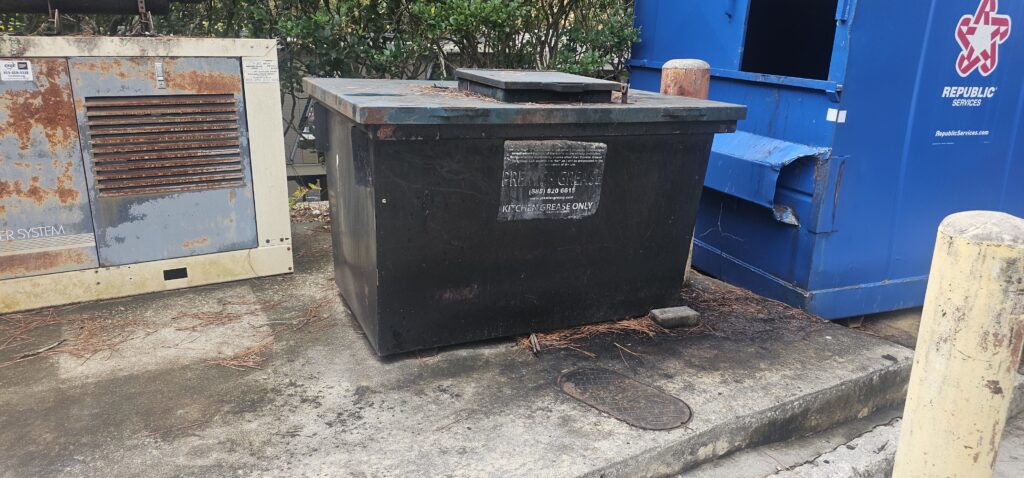
Commercial kitchens produce large volumes of wastewater every day from dishwashing, food preparation, floor cleaning, and cooking operations. This wastewater contains food particles, grease, soap, and other organic materials that require proper management before entering municipal sewer systems. Understanding non-hazardous wastewater pumping protects your business from plumbing failures, regulatory violations, and environmental penalties.
Many restaurant operators don’t think about wastewater management until problems arise—backed-up drains, overflowing grease traps, or visits from health inspectors. Professional wastewater pumping services keep systems functioning properly, maintain compliance with regulations, and prevent the expensive emergencies that result from neglected maintenance.
What Qualifies as Non-Hazardous Wastewater
Non-hazardous wastewater from commercial kitchens includes water and materials that don’t contain toxic chemicals, dangerous pathogens at concerning levels, or substances regulated as hazardous waste. This category encompasses most routine kitchen discharges.
Food Preparation Wastewater comes from washing vegetables, thawing frozen foods, cleaning cutting boards, and other prep activities. This water contains organic matter, soil from produce, and small food particles.
Dishwashing Wastewater includes water from dish machines, three-compartment sinks, and hand-washing stations. It contains food residue, grease, soap, and sanitizing chemicals at concentrations considered safe for sewer systems.
Cooking Equipment Drainage from steamers, kettles, and other appliances produces water containing food particles, starches, and organic compounds from cooking processes.
Floor Cleaning Wastewater results from mopping, pressure washing, and general floor maintenance. This water picks up spilled food, grease tracked across floors, and cleaning chemicals.
Grease Trap Contents represent the most challenging non-hazardous wastewater in commercial kitchens. These interceptors collect grease, oils, and fats separated from wastewater, along with accumulated food solids and sludge.
The “non-hazardous” designation means these materials can be handled through standard wastewater management processes rather than requiring special hazardous waste protocols. However, non-hazardous doesn’t mean unregulated—strict rules govern how restaurants must manage and dispose of kitchen wastewater.
Why Wastewater Cannot Simply Flow to Sewers
Raw kitchen wastewater entering municipal sewer systems without proper treatment creates serious problems for both individual facilities and public infrastructure.
Grease Accumulation in sewer pipes causes blockages that back up into restaurants and surrounding buildings. As grease cools in pipes, it solidifies and adheres to pipe walls, gradually restricting flow. These blockages cause sewage overflows, property damage, and public health hazards.
Food Solids contribute to pipe blockages and attract pests in sewer systems. Solid materials that escape kitchen drains can accumulate in pipes and create obstructions.
High Biological Oxygen Demand from organic materials in kitchen wastewater stresses wastewater treatment plants. Municipal facilities must work harder to treat restaurant discharge, increasing operating costs for the entire system.
Sewer System Damage occurs when grease and solids accumulate in public pipes. Municipalities spend millions annually removing grease blockages and repairing damaged infrastructure. These costs are often passed to commercial users through increased sewer rates and special assessments.
Environmental Contamination results when blocked sewers overflow. Untreated wastewater reaching storm drains or waterways creates pollution problems and threatens public health.
Regulations requiring grease traps, interceptors, and proper wastewater management exist specifically to prevent these problems. Restaurants must capture and properly dispose of grease and solids before wastewater enters public sewer systems.
Grease Traps and Interceptors: The First Line of Defense
Most commercial kitchens use grease traps or grease interceptors to separate fats, oils, and grease (FOG) from wastewater before discharge to sewers.
Grease Traps are smaller units typically installed under sinks or near individual fixtures. These devices use simple separation principles—grease floats on water due to lower density, allowing cleaner water to exit while retaining grease.
Grease Interceptors are larger systems, often installed outside buildings in underground vaults. These units handle wastewater from the entire kitchen operations and have greater storage capacity than traps.
Both systems require regular pumping to remove accumulated grease and solids. As material builds up, the effectiveness of separation decreases. Full grease traps allow FOG to pass through and enter sewer systems, defeating the purpose of the equipment.
Capacity Specifications for grease management equipment depend on kitchen size, types of food prepared, and local regulations. Health departments and plumbing codes specify minimum sizes based on these factors.
Installation Standards require proper placement, adequate access for maintenance, and correct piping connections. Improperly installed grease management equipment fails to protect sewer systems regardless of pumping frequency.
Pumping Frequency Requirements
How often commercial kitchens need wastewater pumping depends on several factors, but regulations often establish minimum frequencies regardless of apparent need.
Quarter-Full Rule applies in many jurisdictions. This standard requires pumping grease traps when accumulated grease and solids reach 25% of the total liquid capacity. This threshold maintains separation efficiency and prevents FOG discharge to sewers.
Time-Based Requirements mandate pumping at specific intervals regardless of accumulation levels. Common requirements include monthly, quarterly, or semi-annual pumping based on facility type and usage.
High-Volume Operations including large restaurants, hotels with food service, hospitals, and institutional kitchens, typically require monthly pumping. These facilities generate wastewater continuously and accumulate grease rapidly.
Medium-Volume Facilities such as casual dining restaurants, small hotels, and cafeterias often operate on quarterly pumping schedules. This frequency prevents excessive buildup while managing service costs.
Lower-Volume Operations, including coffee shops with limited cooking, small cafes, and specialty food businesses, may pump semi-annually where regulations permit.
Seasonal Adjustments may be necessary for restaurants with fluctuating business levels. Summer tourist seasons, holiday periods, or other high-traffic times can require more frequent pumping than slower periods.
Facility-specific factors affecting pumping frequency include:
- Daily customer volume
- Menu composition and cooking methods
- Effectiveness of FOG source reduction practices
- Size and capacity of grease management equipment
- Water usage patterns
- Condition and age of equipment
The Pumping Process
Professional wastewater pumping involves specialized equipment and procedures that ensure complete removal and proper disposal of collected materials.
Initial Inspection before pumping allows technicians to assess current conditions, identify any obvious problems, and determine the extent of service needed.
Complete Evacuation removes all contents from grease traps or interceptors—not just floating grease, but also settled solids, sludge, and wastewater. Partial pumping that leaves solids or sludge behind reduces effectiveness and accelerates the next accumulation.
Vacuum Equipment designed for wastewater service provides the suction power necessary to remove thick grease, sludge, and solids. Professional pumping trucks include large storage tanks, powerful vacuum systems, and hoses sized for commercial applications.
Cleaning After Pumping includes scraping walls and baffles to remove adhered grease, flushing components with water, and ensuring all internal surfaces are clean. This thorough cleaning restores the unit to optimal operating condition.
Inspection During Service allows technicians to identify damage, worn components, or structural issues that need attention. Cracks, damaged baffles, or corroded piping can be detected and reported during pumping visits.
Documentation provided after service includes the date, volume of material removed, condition observations, and technician certification. This documentation proves regulatory compliance and creates maintenance records for your facility.
Proper Disposal at licensed receiving facilities ensures removed materials are processed according to environmental regulations. Reputable service providers transport wastewater to approved treatment facilities or recycling operations.
Record Keeping and Compliance Documentation
Regulatory agencies require documentation proving that commercial kitchens maintain proper wastewater management practices.
Service Records from professional pumping companies provide primary evidence of compliance. These records should include dates of service, volumes removed, and technician certifications.
Inspection Reports from health departments, plumbing inspectors, or environmental agencies become part of your compliance file. Keep copies of all inspection results and any correspondence with regulatory authorities.
Maintenance Logs tracking in-house activities supplement professional service records. Document daily trap cleaning, any problems observed, and corrective actions taken.
Permit Documentation including grease trap installation permits, modifications, or system upgrades, should be maintained for the life of your facility.
Disposal Receipts from receiving facilities verify proper handling of pumped materials. Some jurisdictions require proof that wastewater went to approved disposal locations.
Maintain these records for periods specified by local regulations—typically three to five years minimum. Organized documentation simplifies inspections and demonstrates your commitment to compliance.
Regulations Governing Commercial Kitchen Wastewater
Multiple levels of government regulate restaurant wastewater management, creating overlapping requirements that businesses must navigate.
Federal Regulations under the Clean Water Act establish basic standards for wastewater discharge and give states authority to implement more specific requirements.
State Environmental Regulations in Georgia address wastewater management, including commercial kitchen discharge. State agencies enforce standards and can take action against facilities creating pollution problems.
Local Sewer Use Ordinances enacted by municipalities specify requirements for businesses discharging to public sewer systems. These ordinances typically mandate grease trap installation, pumping frequencies, and record keeping.
Health Department Rules govern food service sanitation, including wastewater management. Health inspectors check grease trap maintenance during facility inspections and can cite violations.
Building and Plumbing Codes specify technical standards for grease trap installation, sizing, and maintenance access. New construction and major renovations must meet current code requirements.
Atlanta area restaurants must comply with requirements from multiple agencies. The specific rules applicable to your facility depend on location, size, and type of operation.
Penalties for Non-Compliance
Failing to properly manage commercial kitchen wastewater results in consequences that affect operations and finances.
Health Violations for inadequate grease trap maintenance appear on inspection reports and may be publicly posted. Serious violations can result in point deductions that affect health scores displayed to customers.
Fines and Citations from various agencies impose financial penalties for violations. Initial fines may be modest, but repeated violations or serious issues can result in substantial penalties.
Sewer Discharge Violations trigger enforcement action from municipal utilities. Cities can impose special charges, require system upgrades, or restrict sewer connections for repeat violators.
Liability for Sewer Backups places financial responsibility on restaurants when their grease causes blockages affecting neighboring properties. Damage claims and cleanup costs can reach tens of thousands of dollars.
Operating Restrictions may be imposed until violations are corrected. Health departments can require immediate pumping, limit operations, or, in extreme cases, close facilities that pose public health risks.
Increased Scrutiny follows violations, with more frequent inspections and heightened attention from regulators. This scrutiny continues until facilities demonstrate sustained compliance.
Permit Issues for business licenses, health permits, or liquor licenses can arise when wastewater violations appear on regulatory records. Some permit renewals require clean compliance histories.
Best Practices for Wastewater Management
Beyond meeting minimum requirements, smart operators implement practices that reduce problems and extend the time between pumping needs.
Employee Training on proper waste disposal prevents many wastewater problems. Staff should understand what can and cannot go down drains, how to scrape dishes properly, and why grease management matters.
Food Scraping Procedures before dishwashing remove the majority of solids that otherwise enter wastewater. Provide scrapers, trash receptacles, and clear instructions at dishwashing stations.
Grease Container Programs for collecting used cooking oil prevent FOG from entering drains. Establish procedures for cooling and containing oil rather than pouring it into sinks.
Drain Screens and Strainers catch food particles before they enter plumbing. Regular emptying of these devices reduces the solid load reaching grease traps.
Proper Detergent Use maintains grease in solid form rather than emulsifying it into wastewater. Hot water and harsh degreasers break down grease into small droplets that pass through traps and cause sewer problems.
Regular Inspections of grease traps and plumbing fixtures identify developing problems early. Check for slow drainage, unusual odors, or visible grease accumulation weekly.
Preventive Maintenance schedules professional pumping before grease traps reach capacity. Don’t wait until problems occur—maintain regular service intervals that prevent issues.
Signs Your System Needs Immediate Attention
Certain symptoms indicate wastewater system problems requiring prompt professional service.
Slow Draining Sinks throughout the kitchen suggest grease line blockages or full grease traps. Individual slow drains might indicate localized clogs, but multiple affected fixtures point to system-wide issues.
Foul Odors from drains signal decomposing organic matter in traps or pipes. These smells intensify as bacteria break down accumulated food and grease.
Backed-Up Water appearing in floor drains, sinks, or other fixtures indicates serious blockages. Don’t continue operations if wastewater is backing up—this creates immediate health hazards.
Visible Grease on drain surfaces or floating in sink basins shows that grease is not being properly captured and is likely entering sewer lines.
Gurgling Sounds from drains indicate air displacement caused by restrictions in plumbing. This symptom often precedes complete blockages.
Overflowing Grease Traps require immediate pumping. External grease traps with visible liquid at or above normal levels are beyond capacity and need emergency service.
When any of these symptoms appear, contact professional pumping services immediately rather than attempting DIY solutions. Chemical drain cleaners damage pipes and don’t address underlying problems. Delays allow minor issues to become major failures.
Choosing a Professional Pumping Service
Selecting qualified wastewater pumping providers ensures thorough service and regulatory compliance.
Proper Licensing and Permits are mandatory for companies handling commercial wastewater. Verify that service providers hold required licenses and permits for transporting and disposing of grease trap contents.
Insurance Coverage protects your business from liability. Pumping companies should carry general liability insurance and workers’ compensation coverage for their employees.
Appropriate Equipment for commercial applications includes vacuum trucks with adequate capacity, hoses sized for large grease traps, and tools for thorough cleaning. Residential-grade equipment cannot handle commercial wastewater volumes.
Experience with Commercial Kitchens indicates familiarity with regulatory requirements and common issues. Companies specializing in restaurant services understand industry-specific needs better than general wastewater contractors.
Disposal Facility Relationships with licensed receiving stations ensure proper handling of pumped materials. Ask service providers where they dispose of wastewater and verify facilities are properly licensed.
Documentation Practices that include detailed service records support your compliance efforts. Choose providers who issue comprehensive reports documenting each service visit.
Emergency Service Availability matters when backups occur outside normal business hours. Select companies offering 24/7 response for urgent situations.
References from Similar Operations provide insight into service quality and reliability. Ask potential providers for references from restaurants comparable to yours.
Costs of Wastewater Pumping Services
Understanding typical costs helps restaurants budget appropriately for required maintenance.
Service Frequency represents the largest factor in annual costs. Monthly pumping costs more annually than quarterly service, but facilities requiring frequent pumping cannot reduce costs by extending intervals without risking violations and system failures.
Trap Size and Type affect per-service costs. Larger interceptors cost more to pump than small under-sink traps due to greater volumes and longer service times.
Access Challenges increase costs when grease traps are difficult to reach or require special equipment. Buried interceptors, units in tight spaces, or locations requiring traffic control cost more to service.
Distance to Disposal Facilities influences pricing through fuel and time expenses. Facilities far from licensed receiving stations may pay higher rates to cover transportation costs.
Service Agreements often reduce per-visit costs compared to on-demand service. Scheduled maintenance contracts typically offer better pricing than emergency calls.
Geographic Location affects rates due to local market conditions, disposal facility availability, and regulatory environments.
Typical costs for grease trap pumping in the Atlanta area range from several hundred dollars for small traps to over a thousand dollars for large interceptors, depending on the factors above. Budget for these expenses as regular operational costs rather than discretionary spending.
Environmental Considerations
Proper wastewater management protects local water quality and demonstrates environmental responsibility.
Preventing Sewer Overflows through proper grease management protects waterways from contamination. When sewers back up due to grease blockages, untreated wastewater can enter storm drains and reach rivers and streams.
Reducing Treatment Plant Burden by capturing FOG before it enters sewers helps municipal wastewater treatment facilities operate more efficiently and cost-effectively.
Resource Recovery opportunities exist for grease trap contents. Some processing facilities convert collected grease into biodiesel fuel or animal feed ingredients, giving waste material productive uses.
Water Conservation practices in kitchens reduce overall wastewater volumes. Installing efficient spray valves, fixing leaks promptly, and training staff on water-saving techniques benefit both the environment and your utility bills.
Sustainable Operations that include proper wastewater management appeal to environmentally conscious customers and support broader sustainability goals.
Integration with Other Kitchen Maintenance
Wastewater pumping connects to other maintenance services that keep commercial kitchens functioning properly.
Hood Cleaning Services often identify drainage issues when cleaning areas around cooking equipment. Coordinating hood cleaning with plumbing maintenance creates opportunities to address multiple needs efficiently.
Grease Trap Pumping pairs naturally with drain line cleaning. Many service providers offer both services and can address entire grease management systems during single visits.
Deep Cleaning Programs that include floor drain maintenance complement regular pumping schedules. Comprehensive cleaning prevents the accumulation that causes plumbing problems.
Equipment Maintenance schedules can align wastewater pumping with other routine services, minimizing disruption to operations.
Working with service providers who offer multiple maintenance capabilities simplifies scheduling, creates accountability, and often reduces overall costs through bundled services.
Planning for New or Renovated Facilities
Restaurants planning construction or major renovations should address wastewater management during design phases.
Adequate Sizing of grease management equipment prevents future problems. Don’t minimize trap sizes to save initial costs—undersized equipment requires excessive pumping and causes operational headaches.
Accessible Locations for grease traps and interceptors simplify maintenance. Plan installations with service access in mind, avoiding locations that will be difficult or expensive to service.
Future Expansion Considerations should factor into system sizing. If you anticipate adding cooking equipment or expanding operations, install grease management capacity for future needs rather than current minimums.
Code Compliance Verification with local authorities before finalizing designs prevents expensive corrections during construction. Work with designers and contractors familiar with current requirements.
Service Provider Input during planning can identify potential issues and optimize system design. Experienced pumping companies can advise on practical considerations that improve long-term maintenance.
Protect Your Commercial Kitchen with Professional Wastewater Management
Proper management of commercial kitchen wastewater protects your business from regulatory violations, prevents expensive plumbing emergencies, and demonstrates responsible environmental stewardship. Regular professional pumping maintains system functionality and ensures compliance with all applicable regulations.
Premier Grease provides comprehensive non-hazardous wastewater pumping services for commercial kitchens throughout Atlanta. Our experienced team services grease traps and interceptors of all sizes, removing accumulated FOG and solids completely. We use professional vacuum equipment and follow proper procedures to ensure thorough cleaning and regulatory compliance.
Our service includes complete evacuation of grease trap contents, cleaning of internal components, inspection for damage or wear, and detailed documentation for your compliance records. We transport all pumped materials to licensed disposal facilities and provide certificates proving proper handling.
Premier Grease also specializes in grease trap cleaning, hood cleaning, restaurant deep cleaning, dryer vent cleaning, used cooking oil recycling, and car wash sump cleaning—providing Atlanta businesses with complete commercial facility maintenance from a single trusted partner.
Contact Premier Grease today to establish a wastewater pumping schedule appropriate for your operation. Our team will assess your facility, recommend service frequencies that meet regulatory requirements, and provide reliable maintenance that keeps your kitchen plumbing functioning properly. We offer flexible scheduling to minimize disruption to your business operations.
Call now to learn more about our wastewater pumping services and discover how Premier Grease helps Atlanta restaurants maintain compliance, prevent plumbing emergencies, and protect the environment. Premier Grease—your partner for comprehensive commercial kitchen maintenance and regulatory compliance.