
Non-Hazardous Wastewater Pumping: What Commercial Kitchens Need to Know
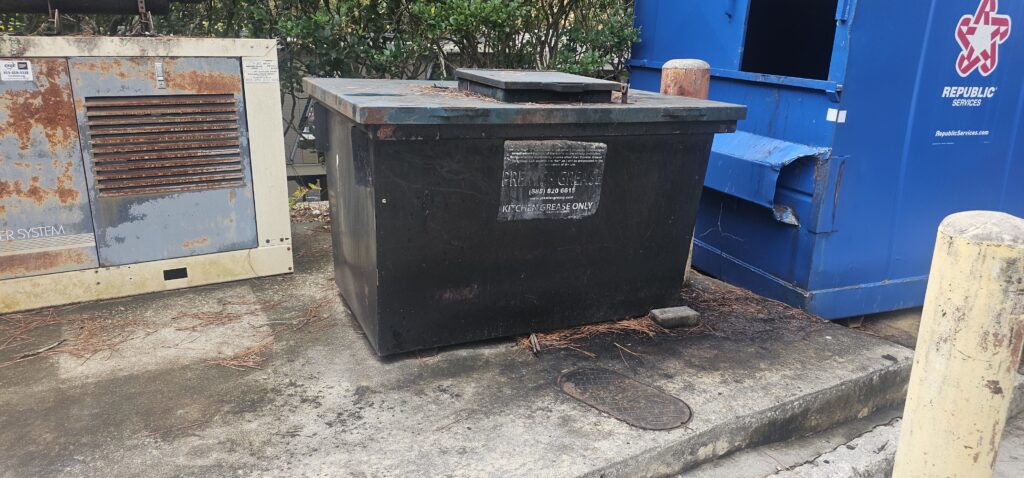
Commercial kitchens produce large volumes of wastewater every day from dishwashing, food preparation, floor cleaning, and cooking operations. This wastewater contains food particles, grease, soap, and other organic materials that require proper management before entering municipal sewer systems. Understanding non-hazardous wastewater pumping protects your business from plumbing failures, regulatory violations, and environmental penalties. Many restaurant operators don’t think about wastewater management until problems arise—backed-up drains, overflowing grease traps, or visits from health inspectors. Professional wastewater pumping services keep systems functioning properly, maintain compliance with regulations, and prevent the expensive emergencies that result from neglected maintenance. What Qualifies as Non-Hazardous Wastewater Non-hazardous wastewater from commercial kitchens includes water and materials that don’t contain toxic chemicals, dangerous pathogens at concerning levels, or substances regulated as hazardous waste. This category encompasses most routine kitchen discharges. Food Preparation Wastewater comes from washing vegetables, thawing frozen foods, cleaning cutting boards, and other prep activities. This water contains organic matter, soil from produce, and small food particles. Dishwashing Wastewater includes water from dish machines, three-compartment sinks, and hand-washing stations. It contains food residue, grease, soap, and sanitizing chemicals at concentrations considered safe for sewer systems. Cooking Equipment Drainage from steamers, kettles, and other appliances produces water containing food particles, starches, and organic compounds from cooking processes. Floor Cleaning Wastewater results from mopping, pressure washing, and general floor maintenance. This water picks up spilled food, grease tracked across floors, and cleaning chemicals. Grease Trap Contents represent the most challenging non-hazardous wastewater in commercial kitchens. These interceptors collect grease, oils, and fats separated from wastewater, along with accumulated food solids and sludge. The “non-hazardous” designation means these materials can be handled through standard wastewater management processes rather than requiring special hazardous waste protocols. However, non-hazardous doesn’t mean unregulated—strict rules govern how restaurants must manage and dispose of kitchen wastewater. Why Wastewater Cannot Simply Flow to Sewers Raw kitchen wastewater entering municipal sewer systems without proper treatment creates serious problems for both individual facilities and public infrastructure. Grease Accumulation in sewer pipes causes blockages that back up into restaurants and surrounding buildings. As grease cools in pipes, it solidifies and adheres to pipe walls, gradually restricting flow. These blockages cause sewage overflows, property damage, and public health hazards. Food Solids contribute to pipe blockages and attract pests in sewer systems. Solid materials that escape kitchen drains can accumulate in pipes and create obstructions. High Biological Oxygen Demand from organic materials in kitchen wastewater stresses wastewater treatment plants. Municipal facilities must work harder to treat restaurant discharge, increasing operating costs for the entire system. Sewer System Damage occurs when grease and solids accumulate in public pipes. Municipalities spend millions annually removing grease blockages and repairing damaged infrastructure. These costs are often passed to commercial users through increased sewer rates and special assessments. Environmental Contamination results when blocked sewers overflow. Untreated wastewater reaching storm drains or waterways creates pollution problems and threatens public health. Regulations requiring grease traps, interceptors, and proper wastewater management exist specifically to prevent these problems. Restaurants must capture and properly dispose of grease and solids before wastewater enters public sewer systems. Grease Traps and Interceptors: The First Line of Defense Most commercial kitchens use grease traps or grease interceptors to separate fats, oils, and grease (FOG) from wastewater before discharge to sewers. Grease Traps are smaller units typically installed under sinks or near individual fixtures. These devices use simple separation principles—grease floats on water due to lower density, allowing cleaner water to exit while retaining grease. Grease Interceptors are larger systems, often installed outside buildings in underground vaults. These units handle wastewater from the entire kitchen operations and have greater storage capacity than traps. Both systems require regular pumping to remove accumulated grease and solids. As material builds up, the effectiveness of separation decreases. Full grease traps allow FOG to pass through and enter sewer systems, defeating the purpose of the equipment. Capacity Specifications for grease management equipment depend on kitchen size, types of food prepared, and local regulations. Health departments and plumbing codes specify minimum sizes based on these factors. Installation Standards require proper placement, adequate access for maintenance, and correct piping connections. Improperly installed grease management equipment fails to protect sewer systems regardless of pumping frequency. Pumping Frequency Requirements How often commercial kitchens need wastewater pumping depends on several factors, but regulations often establish minimum frequencies regardless of apparent need. Quarter-Full Rule applies in many jurisdictions. This standard requires pumping grease traps when accumulated grease and solids reach 25% of the total liquid capacity. This threshold maintains separation efficiency and prevents FOG discharge to sewers. Time-Based Requirements mandate pumping at specific intervals regardless of accumulation levels. Common requirements include monthly, quarterly, or semi-annual pumping based on facility type and usage. High-Volume Operations including large restaurants, hotels with food service, hospitals, and institutional kitchens, typically require monthly pumping. These facilities generate wastewater continuously and accumulate grease rapidly. Medium-Volume Facilities such as casual dining restaurants, small hotels, and cafeterias often operate on quarterly pumping schedules. This frequency prevents excessive buildup while managing service costs. Lower-Volume Operations, including coffee shops with limited cooking, small cafes, and specialty food businesses, may pump semi-annually where regulations permit. Seasonal Adjustments may be necessary for restaurants with fluctuating business levels. Summer tourist seasons, holiday periods, or other high-traffic times can require more frequent pumping than slower periods. Facility-specific factors affecting pumping frequency include: The Pumping Process Professional wastewater pumping involves specialized equipment and procedures that ensure complete removal and proper disposal of collected materials. Initial Inspection before pumping allows technicians to assess current conditions, identify any obvious problems, and determine the extent of service needed. Complete Evacuation removes all contents from grease traps or interceptors—not just floating grease, but also settled solids, sludge, and wastewater. Partial pumping that leaves solids or sludge behind reduces effectiveness and accelerates the next accumulation. Vacuum Equipment designed for wastewater service provides the suction power necessary to remove thick grease, sludge, and solids. Professional pumping trucks include large storage tanks, powerful vacuum systems, and hoses sized