
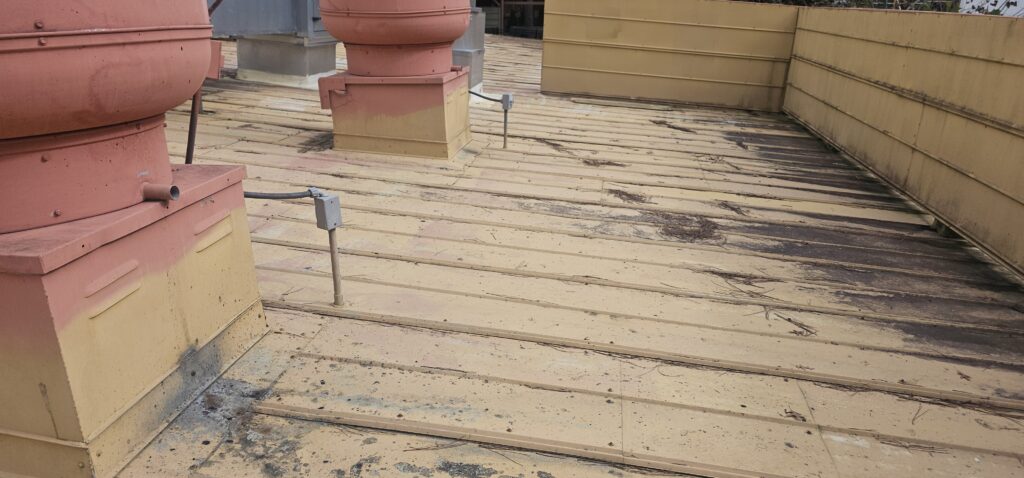
The warranty claim seemed straightforward. Your restaurant’s roof membrane had failed after just eight years—well within the 20-year warranty period. You submitted the claim expecting full coverage for the replacement, only to receive a denial letter that changed everything.
“Upon inspection, our technician found extensive grease contamination across the roof surface and around exhaust fan penetrations. Per Section 7.2 of your warranty agreement, damage resulting from lack of proper maintenance or exposure to harmful substances is specifically excluded. Your claim is denied.”
You’re now facing a complete roof replacement entirely out of pocket because grease accumulation from your kitchen operations voided the warranty protection you thought you had.
This scenario happens more frequently than most restaurant owners realize across Atlanta, Savannah, and Jacksonville. Understanding how warranties work—and what voids them—is critical for protecting your investment.
Understanding Roofing Warranties
Before examining how grease affects warranties, you need to understand what warranties actually cover and what obligations they place on property owners.
Types of Roofing Warranties
Manufacturer Material Warranties:
These warranties cover defects in the roofing materials themselves. If the membrane prematurely degrades due to manufacturing flaws or material defects, the manufacturer replaces the defective materials.
Manufacturer warranties typically run 10-30 years depending on the roofing system quality. Premium materials command higher upfront costs but include longer warranty protection.
Contractor Workmanship Warranties:
Roofing contractors provide separate warranties covering installation quality. These guarantee that the roof was installed correctly and that workmanship defects won’t cause premature failure.
Workmanship warranties are usually shorter than material warranties—commonly 1-10 years. Some contractors offer extended workmanship warranties as a selling point for their services.
System Warranties:
The most comprehensive coverage comes from system warranties where manufacturers and contractors jointly guarantee the entire roofing assembly. These require using specific approved materials installed by certified contractors following exact specifications.
System warranties offer the most extensive protection but also impose the strictest maintenance requirements on building owners.
What Warranties Actually Cover
Manufacturing Defects:
If roofing materials fail due to problems in how they were manufactured—defective polymers, improper material composition, or quality control failures—the warranty covers replacement.
Premature Deterioration:
Materials that degrade faster than specified lifespan expectations due to inherent material problems receive warranty coverage. A 20-year membrane failing after 12 years from material issues would qualify.
Installation Errors:
Workmanship warranties cover problems arising from improper installation techniques, incorrect fastener spacing, inadequate seam welding, or other contractor errors.
What Warranties Don’t Cover
Acts of Nature:
Storm damage, hail impacts, lightning strikes, and similar weather events aren’t covered by standard warranties. These fall under your property insurance instead.
Lack of Maintenance:
This exclusion is where restaurant owners get into trouble. Warranties universally require proper maintenance, and failure to maintain the roof voids coverage.
Harmful Substance Exposure:
Most warranties specifically exclude damage from oils, chemicals, grease, and other substances that chemically attack roofing materials. This exclusion directly affects restaurants.
Unauthorized Modifications:
Any roof penetrations, modifications, or repairs not performed by certified contractors typically void warranty coverage for affected areas or potentially the entire roof.
The Fine Print: Maintenance Requirements
Every roofing warranty includes maintenance obligations that building owners must fulfill to keep coverage valid.
Standard Maintenance Clauses
Regular Inspections:
Most warranties require semi-annual or annual professional roof inspections. These inspections must be documented, and findings must be addressed promptly to maintain coverage.
Atlanta, Savannah, and Jacksonville restaurants operating under system warranties need to schedule these inspections religiously and maintain detailed records proving compliance.
Debris Removal:
Warranties require keeping roofs free from debris, leaves, and accumulated materials. While this seems basic, it establishes the principle that owners must actively maintain roof cleanliness.
Drainage Maintenance:
Proper water drainage must be maintained. Clogged drains, ponding water, or modified drainage patterns can void warranty coverage even for damage unrelated to drainage issues.
Prompt Repairs:
When inspections reveal minor damage, warranties typically require repairs within specified timeframes—often 30-90 days. Delayed repairs void coverage for resulting damage.
Grease-Specific Exclusions
Chemical Exposure:
Warranty documents often include language about “harmful chemicals,” “petroleum products,” or “oils and grease.” These terms encompass the FOG (fats, oils, and grease) from restaurant operations.
The warranty doesn’t distinguish between intentional chemical exposure and unavoidable grease from normal kitchen operations. Any grease presence can trigger exclusions.
Contamination Language:
Some warranties use broader terms like “contamination” or “foreign substances.” Grease deposited on your roof from exhaust systems clearly falls under these categories.
Maintenance of Cleanliness:
Requirements to maintain roof cleanliness aren’t just about leaves and dirt. They extend to any substance that accumulates on the roof surface, including grease from your kitchen.
Documentation Requirements
Service Records:
Warranties don’t just require maintenance—they require documented proof that maintenance occurred. Without records, you can’t demonstrate compliance when filing claims.
Professional roof cleaning services provide detailed invoices, service reports, and photographs documenting work performed. These records are exactly what warranty administrators require.
Inspection Reports:
Annual or semi-annual inspection reports must be retained for the warranty duration. Some warranties specify minimum retention periods of 5-7 years.
Savannah restaurants in historic buildings face additional documentation challenges. Historic preservation requirements layer on top of warranty obligations, making comprehensive record-keeping even more critical.
Photographic Evidence:
Before-and-after photos from cleaning and maintenance services provide visual proof of proper roof care. These images counter warranty administrator claims that damage resulted from neglect.
How Warranty Administrators Investigate Claims
Understanding the claims investigation process reveals why grease contamination is so problematic for warranty coverage.
Initial Claim Submission
Owner’s Report:
When you file a warranty claim, you describe the problem and provide basic information about the roof’s age, installation date, and nature of the failure.
Most restaurant owners filing claims for premature roof failure never mention grease contamination because they don’t realize it’s relevant or even present.
Field Inspection
Warranty Administrator Visit:
Major manufacturers send trained inspectors to examine failed roofs before approving claims. These inspectors are specifically trained to identify conditions that void coverage.
They photograph everything—grease staining around exhaust fans, discoloration patterns across the membrane, and any evidence suggesting the owner didn’t maintain the roof properly.
Grease Detection:
Grease presence is obvious to trained inspectors. The staining patterns, chemical effects on membrane materials, and location around exhaust equipment tell an unmistakable story.
Jacksonville’s coastal environment sometimes creates confusion between different types of roof staining. However, grease deposits have distinctive characteristics that inspectors easily recognize.
Documentation Review:
Inspectors request maintenance records. If you can’t produce documented evidence of regular roof cleaning, the inspection immediately shifts from “investigating the claim” to “documenting reasons for denial.”
Laboratory Analysis
Material Testing:
For significant claims, manufacturers send membrane samples to laboratories for analysis. These tests identify chemical changes in the roofing material that indicate exposure to oils, solvents, or other harmful substances.
Laboratory reports provide definitive proof that grease caused material degradation. This scientific evidence makes warranty denials nearly impossible to challenge successfully.
Chemical Identification:
Modern analytical techniques can identify the specific compounds present in roof contamination. When these match the fatty acid profiles of cooking oils, the evidence becomes irrefutable.
Claim Decision
Approval Criteria:
Claims are approved when inspectors find legitimate material defects or installation errors, proper maintenance was documented, and no exclusionary conditions exist.
Denial Grounds:
The most common denial reason for restaurant roofs is lack of maintenance demonstrated by grease accumulation. Even if the actual failure mechanism isn’t directly caused by grease, the presence of grease and absence of cleaning records provides grounds for denial.
Partial Approvals:
Sometimes warranties partially cover claims. They might cover material costs but exclude labor, or cover only uncontaminated roof sections while excluding grease-affected areas.
Real-World Warranty Denial Cases
Examining actual warranty claim denials illustrates how these situations unfold.
Case Study: Atlanta Fast Food Restaurant
The Situation:
A quick-service restaurant with heavy fryer use installed a new TPO roof system with a 20-year warranty. After nine years, the roof began leaking around the exhaust fan area and showed membrane deterioration.
The Claim:
The owner filed a warranty claim expecting coverage for premature failure. The roof should have lasted at least 15-20 years, and failure at nine years seemed clearly covered.
The Investigation:
The manufacturer’s inspector documented extensive grease staining across 40% of the roof surface. Grease was particularly heavy around two exhaust fan penetrations, exactly where the membrane had failed.
The Denial:
The manufacturer denied the claim, citing grease contamination and lack of maintenance documentation. The denial letter included photographs clearly showing grease deposits and referenced specific warranty exclusions for chemical exposure and maintenance failures.
The Outcome:
The owner paid for complete roof replacement out of pocket. The lesson: document your maintenance and keep your roof clean, or lose your warranty protection.
Case Study: Savannah Historic District Restaurant
The Situation:
A upscale restaurant in a historic Savannah building installed a modified bitumen roof system with careful attention to preserving the building’s character. The installation included a comprehensive system warranty.
The Problem:
After seven years, the roof showed significant deterioration around exhaust areas and developed multiple leaks. The owner filed a warranty claim for both materials and workmanship.
The Complication:
The warranty administrator’s inspection revealed grease contamination but also found that the restaurant had performed some repairs using a non-certified contractor. This created two grounds for denial.
The Result:
Complete warranty denial based on unauthorized repairs and lack of maintenance. The historic preservation requirements made roof replacement particularly expensive, and insurance didn’t cover the damage.
The Lesson:
Multiple warranty violations compound problems. Even if grease alone wouldn’t have voided coverage, combining it with other violations gave the manufacturer clear grounds for denial.
Case Study: Jacksonville Coastal Restaurant
The Situation:
A seafood restaurant with extensive frying operations installed premium EPDM roofing designed to withstand the coastal environment. The system warranty promised 25 years of coverage with proper maintenance.
The Failure:
At 11 years, the EPDM membrane showed widespread cracking and brittleness. The owner assumed this was premature material failure covered by warranty.
The Investigation:
Laboratory testing revealed that the EPDM had been exposed to cooking oils that degraded the rubber compounds. The testing definitively proved chemical damage rather than material defects.
The Denial:
Despite the restaurant’s argument that coastal conditions contributed to the problem, the manufacturer denied the claim based on grease exposure. The warranty specifically excluded damage from oils and chemicals.
The Financial Impact:
The restaurant faced full replacement costs for a roof that failed less than halfway through its expected lifespan. The owner later learned that competitors with similar cooking operations maintained regular roof cleaning schedules and hadn’t experienced premature failures.
The Chemistry of Grease Damage
Understanding how grease attacks roofing materials helps explain why manufacturers take contamination so seriously.
Material Degradation Mechanisms
Plasticizer Migration:
Many synthetic roofing membranes contain plasticizers that keep the material flexible. Grease acts as a solvent, leaching these plasticizers from the membrane.
As plasticizers are lost, the membrane becomes brittle and prone to cracking. This process is irreversible—once plasticizers are extracted, the membrane can’t be restored.
Polymer Chain Breakdown:
Fatty acids in cooking grease chemically react with polymer materials in roofing membranes. These reactions break down the long polymer chains that give membranes their strength and flexibility.
The breakdown process accelerates with heat and UV exposure—exactly the conditions present on Atlanta and Jacksonville roofs during summer months.
Oxidation Acceleration:
Grease residues promote oxidation of roofing materials. Combined with sunlight exposure, this creates free radicals that attack polymer structures at the molecular level.
Savannah’s high humidity further accelerates these chemical processes, making coastal restaurants particularly vulnerable to rapid grease-related degradation.
Why Damage Appears Permanent
Material Alteration:
Unlike dirt or debris that merely sits on the roof surface, grease chemically alters the roofing material itself. No amount of cleaning can reverse damage that’s already occurred at the molecular level.
This permanence is exactly why prevention through regular cleaning is so critical. Once grease damages the membrane, only replacement restores full functionality.
Progressive Nature:
Grease damage compounds over time. Initial exposure causes minor changes barely detectable without laboratory testing. Continued exposure accelerates degradation until visible damage appears.
By the time you see obvious problems—discoloration, cracking, or brittleness—extensive hidden damage has already occurred throughout the affected membrane areas.
Manufacturer Perspective
Liability Protection:
Roofing manufacturers design materials to withstand normal environmental exposure—sun, rain, temperature cycles, and occasional snow. They don’t engineer membranes to resist chemical attack from industrial grease.
Warranty exclusions for grease exposure protect manufacturers from liability for failures caused by substances their materials weren’t designed to resist.
Quality Control:
When failures occur, manufacturers need to determine whether their materials were defective or external factors caused problems. Grease presence provides clear evidence that external chemical attack occurred, not material defects.
Protecting Your Warranty Coverage
Maintaining valid warranty coverage requires proactive management and documentation.
Establish Regular Cleaning Schedules
Quarterly Service:
Most restaurant operations benefit from quarterly professional roof cleaning. This frequency prevents significant grease accumulation and demonstrates consistent maintenance commitment.
High-volume operations in Atlanta, Savannah, or Jacksonville might need more frequent service during peak seasons. Adjust schedules based on actual grease accumulation rates.
Document Everything:
Keep detailed records of every cleaning service including dates, scope of work, and photographic evidence. Store these records both physically and digitally with multiple backup copies.
Annual Professional Inspections
Certified Inspectors:
Many warranties require inspections by certified roofing professionals. Verify that your inspector meets warranty requirements and provides documentation in the required format.
Comprehensive Reports:
Inspection reports should detail overall roof condition, any damage found, recommended repairs, and confirmation that proper maintenance is being performed.
These reports provide independent third-party verification of your maintenance efforts—exactly what warranty administrators need to see when evaluating claims.
Address Issues Promptly
Immediate Response:
When inspections reveal problems, address them within warranty-specified timeframes. Delayed responses to known issues can void coverage just as effectively as neglecting maintenance.
Authorized Contractors:
Use only warranty-approved contractors for repairs. Unauthorized work—even if performed well—typically voids coverage for affected roof areas or potentially the entire system.
Savannah’s pool of warranty-certified contractors may be smaller than larger markets. Plan ahead so you can respond quickly when repairs are needed.
Maintain Complete Records
Centralized Filing:
Create a dedicated file for all roof-related documentation including installation records, warranty certificates, inspection reports, cleaning invoices, and repair records.
Digital Backup:
Scan paper documents and maintain cloud-based copies. Fires, floods, or simple misplacement shouldn’t result in losing critical warranty documentation.
Organized Chronology:
Arrange documents chronologically so you can quickly demonstrate continuous maintenance over the warranty period. This organization impresses warranty administrators and strengthens claims.
What to Do If You’ve Neglected Maintenance
If you realize your roof hasn’t received proper maintenance and grease has accumulated, immediate action can limit damage.
Immediate Professional Cleaning
Assessment Service:
Schedule comprehensive roof cleaning with particular attention to documenting the before condition, cleaning process, and after results.
While this won’t reverse damage that’s already occurred, it stops further deterioration and begins establishing a maintenance record for future protection.
Professional Inspection
Damage Documentation:
Have a certified roof inspector assess current condition and document any existing damage. This establishes a baseline of what’s attributable to past neglect versus future problems.
If the roof remains structurally sound despite contamination, you might avoid immediate replacement and simply need ongoing maintenance going forward.
Establish Going-Forward Protocols
Regular Schedule:
Implement consistent maintenance schedules preventing future grease accumulation. Even if past damage exists, proper future maintenance protects remaining warranty coverage.
Record Systems:
Create documentation systems ensuring you never again face warranty claims without proof of proper maintenance.
Consider Roof Restoration
Coating Systems:
Some grease-contaminated roofs can be restored using specialized coating systems. These coatings seal existing membranes and provide new protective layers.
Restoration might cost less than complete replacement and can come with new warranties—assuming you commit to proper maintenance preventing future grease accumulation.
Insurance vs. Warranty Coverage
Understanding the interaction between insurance and warranty coverage prevents confusion during claims.
Property Insurance Scope
Covered Events:
Property insurance covers damage from storms, fires, and other sudden events. It doesn’t cover gradual deterioration, wear and tear, or maintenance-related failures.
Grease-Related Fires:
If grease accumulation contributes to a roof fire, insurance might cover fire damage while excluding costs related to the underlying maintenance failure. The distinction matters when determining coverage amounts.
Warranty Coverage Scope
Material and Installation:
Warranties cover premature failure from manufacturing defects or installation errors—assuming proper maintenance was performed.
Maintenance Prerequisites:
All warranty coverage is conditional on fulfilling maintenance obligations. Without proper maintenance, no warranty coverage exists regardless of the failure cause.
Coverage Gaps
Owner Responsibility:
The gap between insurance and warranty coverage falls to property owners. Maintenance-related failures that aren’t covered by warranties and aren’t sudden enough for insurance claims become owner expenses.
This gap is exactly where most restaurant roof failures land. Gradual grease damage doesn’t qualify as a sudden insurable event, and lack of maintenance voids warranty coverage.
Jacksonville Coastal Considerations
Wind and Hurricane Coverage:
Jacksonville restaurants must maintain hurricane-adequate roofing. If grease contamination weakens your roof and a hurricane then causes damage, insurance adjusters will investigate whether pre-existing conditions contributed.
Finding grease-weakened membrane could reduce claim payments or provide grounds for partial denial, leaving you covering some costs even when storm damage occurred.
Working with Warranty Administrators
If you must file warranty claims, approach the process strategically.
Claim Preparation
Document Assembly:
Before filing claims, gather all maintenance records, inspection reports, and cleaning documentation. Present a complete maintenance history demonstrating your care of the roof.
Photographic Evidence:
Include photos showing clean roof conditions from recent maintenance. These images counter potential allegations of neglect.
Honest Disclosure
Acknowledge Issues:
If some maintenance gaps exist in your records, acknowledge them upfront rather than having inspectors discover them. Honesty builds credibility.
Demonstrate Current Compliance:
Show that even if past maintenance wasn’t perfect, you’re now implementing proper protocols. This might salvage partial coverage even when perfect records don’t exist.
Professional Advocacy
Roofing Contractor Support:
Your roofing contractor can provide technical support during warranty claims, explaining conditions and advocating for coverage based on their expertise.
Documentation Quality:
Professional contractors understand what warranty administrators need to see. Their reports carry more weight than owner statements.
Regional Considerations for Atlanta, Savannah, and Jacksonville
Each market presents unique challenges affecting warranty maintenance.
Atlanta’s Urban Environment
Temperature Extremes:
Atlanta’s hot summers and occasional cold winters create expansion-contraction cycles that accelerate grease-weakened membrane failures. This makes maintenance even more critical than in milder climates.
Competitive Market:
Atlanta’s large restaurant community includes many sophisticated operators with established maintenance programs. Your warranty protection shouldn’t be less thorough than competitors’.
Savannah’s Historic Context
Preservation Requirements:
Historic building roofing must balance preservation standards with practical performance. Warranty maintenance can’t be neglected just because the building has historic significance.
Coastal Environment:
Humidity and salt air accelerate all forms of roof degradation. Combined with grease exposure, Savannah roofs face particularly harsh conditions demanding rigorous maintenance.
Jacksonville’s Coastal Challenges
Hurricane Preparedness:
Roofs must withstand hurricane-force winds. Grease-weakened membranes are more vulnerable to blow-off during storms, creating life-safety issues beyond just warranty concerns.
Marine Atmosphere:
Salt air combined with grease creates especially corrosive conditions. Jacksonville restaurants face some of the most demanding roof maintenance requirements in the Southeast.
The Bottom Line: Prevention Is Everything
Warranty protection represents significant financial value. A comprehensive system warranty on a commercial roof can be worth tens of thousands of dollars in potential coverage.
Losing this protection through preventable grease accumulation transforms a covered repair into a major out-of-pocket expense. The difference between warranty-covered replacement and paying full costs yourself can determine whether your restaurant survives an unexpected roof failure.
Regular professional roof cleaning costs far less than single warranty-excluded repair. The return on investment is obvious when you understand what’s at stake.
Don’t discover warranty exclusions after damage occurs. Protect your coverage now through proper maintenance and documentation. Your warranty is only valuable if it’s still valid when you need it.
Protect Your Warranty Coverage
Premier Grease provides professional restaurant roof cleaning throughout Atlanta, Savannah, and Jacksonville. Our comprehensive service removes grease accumulation while creating the documentation you need to maintain warranty coverage. We understand manufacturer warranty requirements and ensure our cleaning services meet all specified standards. Contact us today to establish a roof cleaning program that protects both your roof and your warranty coverage.