
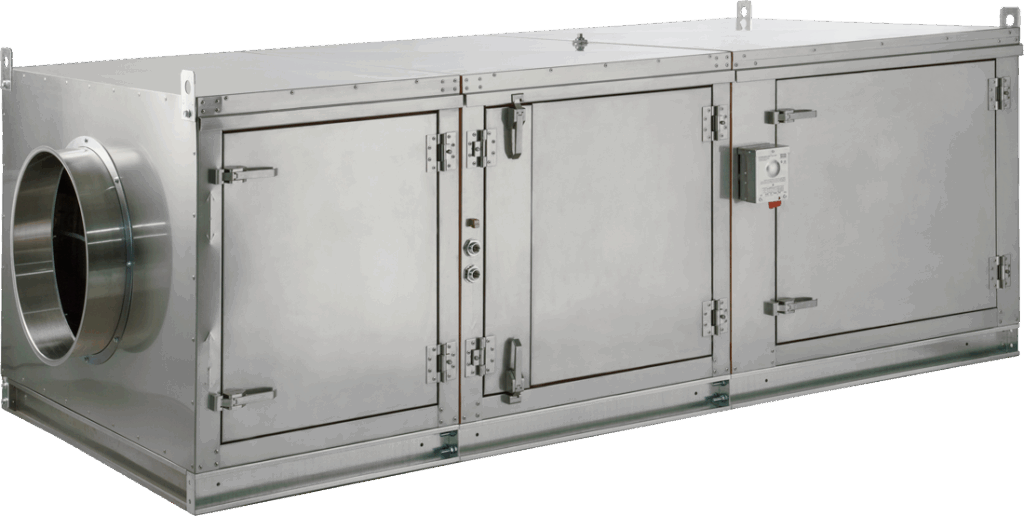
Restaurant kitchens generate more than just delicious food—they produce smoke, grease-laden vapors, and airborne particles that impact air quality both inside and outside your establishment. As environmental regulations become stricter and communities grow more concerned about air pollution, many restaurant operators are discovering they need equipment they’ve never heard of: Air Pollution Control Units, commonly called PCUs.
These specialized filtration systems capture and treat exhaust from commercial cooking operations before releasing it into the atmosphere. For many restaurants, installing a PCU isn’t optional—it’s a regulatory requirement that affects your ability to operate legally. Understanding what these units do and why they matter helps you make informed decisions about compliance, equipment investment, and community relations.
Understanding Air Pollution Control Units
Air Pollution Control Units are advanced filtration systems installed in restaurant exhaust systems to remove grease particles, smoke, and odors from cooking emissions before they exit to the outside air. These units work in conjunction with traditional kitchen exhaust hoods but provide a higher level of treatment than standard ventilation systems.
PCUs use multiple stages of filtration and treatment to capture contaminants. The basic process involves pulling exhaust air through the unit where various technologies remove particles and neutralize odors. Clean air then exits through the roof or exterior wall, meeting air quality standards set by local, state, and federal regulations.
Different PCU technologies address specific types of contaminants:
Electrostatic Precipitation uses electrical charges to attract and capture grease particles and smoke. Air passes through an ionizing section that charges particles, then through collector plates that attract the charged particles and remove them from the airstream.
Carbon Filtration removes odors by passing air through activated carbon beds that absorb odor-causing molecules. This technology is particularly effective for controlling food smells that can disturb nearby residents or businesses.
UV Oxidation uses ultraviolet light to break down organic compounds, including grease vapors and odor molecules. The UV energy causes chemical reactions that convert these compounds into less problematic substances.
Water Wash Systems spray water through the exhaust stream to capture particles and cool the air. These systems can be effective for high-volume operations but require water supply connections and drainage systems.
Multi-Stage Systems combine several technologies to achieve maximum pollutant removal. Many commercial PCUs use electrostatic precipitation for particle capture along with carbon filtration for odor control, providing comprehensive treatment.
Why Restaurants Generate Air Pollution
Commercial cooking produces emissions that contribute to air quality problems in urban areas. Understanding what your kitchen releases helps explain why regulations require control equipment.
Grease particles become airborne during cooking, especially from high-temperature operations like grilling, frying, and charbroiling. These microscopic droplets float in the air and can travel significant distances. When released outdoors, they settle on buildings, vehicles, and vegetation, creating visible pollution and maintenance problems.
Smoke from charbroiling, grilling, and other high-heat cooking contains particulate matter that contributes to smog and respiratory health concerns. Fine particulate matter can penetrate deep into the lungs, making it a significant public health concern in areas with many restaurants.
Volatile organic compounds (VOCs) evaporate from cooking oils, marinades, and the food itself during heating. These compounds contribute to ground-level ozone formation and can create odor problems for neighbors.
Odor molecules from cooking travel through exhaust systems and can affect areas around the restaurant. What smells appetizing inside your dining room may be unwelcome to residents in nearby apartments or office workers in adjacent buildings.
The volume of emissions from restaurants is substantial. A busy restaurant kitchen exhausts thousands of cubic feet of air per minute, and each cubic foot carries contaminants from cooking operations. Multiply this by the number of restaurants in a city, and the cumulative impact on air quality becomes significant.
Regulatory Requirements for PCUs
Air quality regulations vary by location, but many jurisdictions now require PCUs for certain types of restaurants or cooking operations.
Local Air Quality Districts in many metropolitan areas have established rules requiring PCUs for restaurants with specific characteristics. These districts have authority over air pollution sources and can mandate control equipment for commercial cooking operations.
Atlanta and the surrounding areas fall under regulations administered by air quality management agencies that set standards for restaurant emissions. Requirements depend on factors including restaurant size, cooking methods, and location.
Permit Requirements for new restaurants often include PCU installation as a condition of approval. Building permits, health permits, and business licenses may all reference air quality compliance requirements.
Retrofit Requirements apply to existing restaurants in some jurisdictions. When regulations change or complaints arise, operating restaurants may receive orders to install PCUs even though they were grandfathered under previous rules.
Triggering Factors that commonly require PCU installation include:
- Charbroiling equipment exceeding the specified capacity
- Total cooking equipment heat input above regulatory thresholds
- Location within sensitive areas near residential zones
- Proximity to schools, hospitals, or other sensitive receptors
- History of odor complaints from neighbors or regulators
- New construction or major renovations that trigger updated code compliance
Emission Standards specify maximum allowable levels of particulate matter and other pollutants in exhaust air. PCUs must demonstrate they can achieve these standards through testing and certification.
Operating Permits issued by air quality agencies may include specific conditions regarding PCU operation and maintenance. These permits often require regular inspections, performance testing, and record keeping.
How PCUs Differ from Standard Exhaust Hoods
Many restaurant operators assume their kitchen exhaust hood system provides adequate air pollution control. Understanding the difference between standard hoods and PCUs clarifies why additional equipment may be necessary.
Traditional exhaust hoods capture cooking emissions and vent them outside through ductwork and roof fans. These systems include grease filters that remove larger particles to protect ductwork and prevent grease fires. However, standard hood filters only capture a fraction of the grease particles and do nothing to address smoke or odors.
The grease filters in typical hoods are designed primarily for fire safety, not air quality. They catch larger grease droplets before they enter ductwork, where they could create fire hazards, but they allow smaller particles to pass through and exit to the atmosphere.
PCUs provide a much higher level of treatment, capturing particles that pass through hood filters and addressing pollutants that hood systems don’t handle at all. Installation typically occurs after the hood exhaust fan, treating all air before it exits the building.
Some integrated systems combine hood and PCU functions in single units, but most installations use PCUs as separate components added to existing exhaust systems.
Types of Restaurants Most Likely to Need PCUs
Certain restaurant concepts generate higher levels of emissions and face stricter regulatory scrutiny.
Steakhouses and Grillhouses that feature charbroiling as a primary cooking method produce significant smoke and particulate emissions. The high temperatures of charbroilers create the types of emissions that regulations specifically target.
Barbecue Restaurants using wood or charcoal smokers generate smoke that contains particulate matter and strong odors. These operations often require PCUs regardless of size due to the nature of their cooking processes.
Asian Restaurants with wok cooking generate intense heat and cooking vapors. High-temperature wok operations produce emissions similar to charbroiling and may trigger PCU requirements.
Pizza Restaurants with wood-fired ovens create smoke and particulate emissions from wood combustion. Many jurisdictions specifically regulate wood-fired cooking equipment.
Fried Chicken Concepts and other operations with extensive frying produce grease-laden vapors in high volumes. Large fryer batteries can exceed heat input thresholds that trigger PCU requirements.
High-Volume Operations of any type may need PCUs simply due to the total amount of cooking equipment and emissions produced, even if individual pieces don’t typically require controls.
Urban Locations face stricter requirements than suburban or rural restaurants. Dense neighborhoods with residential buildings near restaurants often have more stringent air quality standards.
The Installation Process
Installing a PCU involves several steps and requires coordination between multiple parties.
Initial Assessment by air quality consultants or equipment vendors determines whether your operation requires a PCU and what size and type of unit is appropriate. This assessment considers your cooking equipment, exhaust volumes, and local regulatory requirements.
Engineering and Design ensures the PCU integrates properly with your existing exhaust system. Engineers calculate airflow rates, determine mounting locations, and design connections to existing ductwork and electrical systems.
Permitting with local building departments and air quality agencies precedes installation. Applications typically include equipment specifications, installation plans, and documentation showing the PCU will meet emission standards.
Physical Installation requires licensed contractors with experience in commercial kitchen ventilation. The work involves:
- Mounting the PCU unit, typically on the roof or exterior wall
- Connecting inlet ducting from the exhaust system
- Installing outlet ducting to atmosphere
- Making electrical connections for unit operation
- Installing control systems and monitoring equipment
- Testing for proper operation and airflow
Commissioning and Testing verifies that the installed system meets performance specifications and regulatory requirements. Testing may include airflow measurements, particle collection efficiency testing, and odor assessments.
Documentation including installation certificates, performance test results, and operating manuals becomes part of your compliance records.
Operating and Maintaining PCUs
PCUs require regular maintenance to continue functioning effectively and meet emission standards.
Daily Operations in most systems are automatic. Units activate when kitchen exhaust fans operate and shut down when cooking stops. Some systems include variable speed controls that adjust treatment intensity based on cooking activity.
Routine Cleaning schedules vary by technology and usage, but typically range from weekly to monthly. Electrostatic units need cleaning of the collector plates and ionizing wires. Carbon filter systems require periodic filter replacement. Maintenance intervals depend on cooking volume and the types of food prepared.
Professional Service by qualified technicians ensures thorough cleaning and proper operation. Many PCU manufacturers require professional maintenance to maintain warranties and compliance certifications.
Performance Monitoring through built-in sensors tracks system operation. Alerts notify operators of maintenance needs or performance issues before they become serious problems.
Record Keeping documents all maintenance activities, cleaning schedules, and any repairs performed. Air quality permits often require these records, and inspectors may request them during facility visits.
Annual Inspections by qualified service providers verify continued compliance with emission standards. Some jurisdictions require periodic performance testing to confirm PCUs continue meeting regulatory requirements.
Costs of PCU Ownership
Understanding the complete financial picture helps restaurant operators budget appropriately for these systems.
Purchase and Installation Costs vary widely based on restaurant size, cooking equipment, and PCU technology. Small systems for limited charbroiling operations may cost $15,000-$30,000 installed, while large systems for high-volume restaurants can exceed $100,000.
Operating Costs include electricity to run fans and treatment components. Most PCUs add minimal electrical load compared to overall kitchen energy consumption, but costs vary by technology and usage patterns.
Maintenance Expenses for routine cleaning and service typically range from several hundred to several thousand dollars annually, depending on system size and maintenance frequency requirements.
Replacement Parts, including filters, UV lamps, or worn components, add to long-term ownership costs. Budget for these expenses based on manufacturer recommendations and actual usage patterns.
Compliance Costs for testing, reporting, and permit renewals vary by jurisdiction but can add hundreds to thousands of dollars annually.
Avoided Costs should be considered when evaluating PCU expenses. These units prevent regulatory fines, allow restaurants to operate in locations where they otherwise couldn’t, and reduce neighborhood complaints that can affect business relationships and reputation.
Benefits Beyond Compliance
While regulatory compliance drives most PCU installations, these systems provide additional advantages for restaurant operations.
Neighborhood Relations improve when restaurants control odors and visible emissions. Better air quality around your establishment reduces complaints from neighbors and creates goodwill in the community.
Expanded Location Options become available with PCUs. Some prime real estate locations in urban areas require air pollution controls as a condition of restaurant operation. PCUs make these locations accessible.
Reduced Rooftop Maintenance results from capturing grease before it exits to the atmosphere. Buildings stay cleaner, rooftop equipment lasts longer, and maintenance costs decrease when grease doesn’t coat surfaces.
Interior Air Quality benefits when exhaust systems operate more efficiently. Proper ventilation with PCUs can improve working conditions for kitchen staff.
Marketing Value exists in promoting environmental responsibility. Restaurants can communicate their commitment to air quality and sustainability, appealing to environmentally conscious customers.
Future-Proofing against increasingly strict regulations protects your investment. Air quality standards typically become more stringent over time, and early adoption of control technology positions restaurants ahead of regulatory changes.
Common Misconceptions About PCUs
Several misunderstandings about air pollution control units create confusion for restaurant operators.
“My hood system is enough” – Standard kitchen hoods with grease filters do not provide the level of air treatment that PCUs deliver. Hood filters address fire safety but don’t meet air quality standards for emissions.
“PCUs are only for charbroilers” – While charbroiling operations commonly trigger requirements, other cooking methods and total heat input can also require PCUs depending on local regulations.
“Small restaurants don’t need them” – Size matters less than cooking methods and location. Small restaurants using charbroilers or operating in sensitive areas may need PCUs regardless of overall restaurant size.
“Installation is too disruptive” – Most PCU installations occur outside the kitchen on roofs or exterior walls. Disruption to restaurant operations is typically minimal and can be scheduled during slow periods or closed days.
“PCUs require constant attention” – Modern units operate automatically and require only periodic maintenance similar to other kitchen equipment. Daily operation requires no staff intervention in most systems.
“Any ventilation contractor can install them” – PCU installation requires specialized knowledge and experience. Choose contractors with specific expertise in air pollution control equipment for restaurant applications.
Choosing the Right PCU for Your Restaurant
Selecting appropriate equipment ensures compliance while managing costs effectively.
Assess Your Needs by reviewing local regulations, examining your cooking equipment, and consulting with air quality experts. Understanding specific requirements prevents over-buying or selecting inadequate equipment.
Compare Technologies based on your cooking methods, maintenance capabilities, and budget. Different PCU types suit different operations, and no single technology is best for all situations.
Size appropriately by calculating actual exhaust volumes and emission loads. Oversized units waste money, while undersized units fail to meet compliance standards.
Evaluate Manufacturers based on track record, warranty coverage, service network, and compliance certifications. Choose established companies with proven products rather than unknown brands offering lower prices.
Consider the Total Cost of Ownership rather than just the purchase price. Lower initial costs may come with higher maintenance expenses or shorter equipment life.
Plan for Service Access during equipment selection. Choose units with features that simplify maintenance and ensure you have adequate space for technicians to perform required cleaning and service.
Working with Air Quality Regulators
Successful PCU installation and operation requires positive relationships with regulatory agencies.
Early Engagement with air quality officials during planning stages helps clarify requirements and avoid surprises. Regulators can provide guidance on what’s needed before you commit to equipment purchases.
Complete Documentation of your cooking equipment, exhaust systems, and proposed PCU specifications helps regulators evaluate compliance. Thorough applications receive faster approvals than incomplete submissions.
Professional Consultants specializing in air quality compliance can navigate regulatory processes and ensure applications meet all requirements. Their expertise often saves time and prevents costly mistakes.
Compliance Schedules negotiated with regulators may allow phased implementation for existing restaurants facing new requirements. Communicate openly about timeline constraints and work cooperatively to achieve compliance.
Ongoing Communication after installation maintains positive relationships. Respond promptly to inspection requests, maintain required records, and address any concerns regulators raise proactively.
Protect Your Restaurant with Proper Air Quality Control
Air Pollution Control Units represent significant investments, but they’re increasingly necessary for restaurant operations in urban areas. These systems ensure regulatory compliance, improve community relations, and protect your ability to operate legally. Understanding PCU requirements and options helps you make informed decisions that support your business success.
Premier Grease provides expert guidance on air pollution control requirements for Atlanta restaurants. We work with restaurant operators to assess their needs, understand local regulations, and connect them with qualified PCU vendors and installers. Our experience with commercial kitchen systems helps us provide practical advice on equipment selection and integration with existing exhaust systems.
Our comprehensive kitchen maintenance services include hood cleaning, grease trap cleaning, restaurant deep cleaning, dryer vent cleaning, and used cooking oil recycling—giving Atlanta restaurants a single trusted partner for all facility maintenance and compliance needs.
Contact Premier Grease today to discuss air pollution control requirements for your restaurant. Our team understands Atlanta air quality regulations and can help you determine whether your operation needs a PCU, what type of system is appropriate, and how to navigate the installation process. We’ll connect you with qualified professionals and ensure your kitchen exhaust systems meet all regulatory requirements.
Call now to learn more about air pollution control for restaurants and discover how Premier Grease helps Atlanta food service operators maintain compliance while focusing on their core business. Premier Grease—your partner for complete commercial kitchen maintenance and regulatory compliance solutions.