
What Are Air Pollution Control Units and Why Your Restaurant Needs One
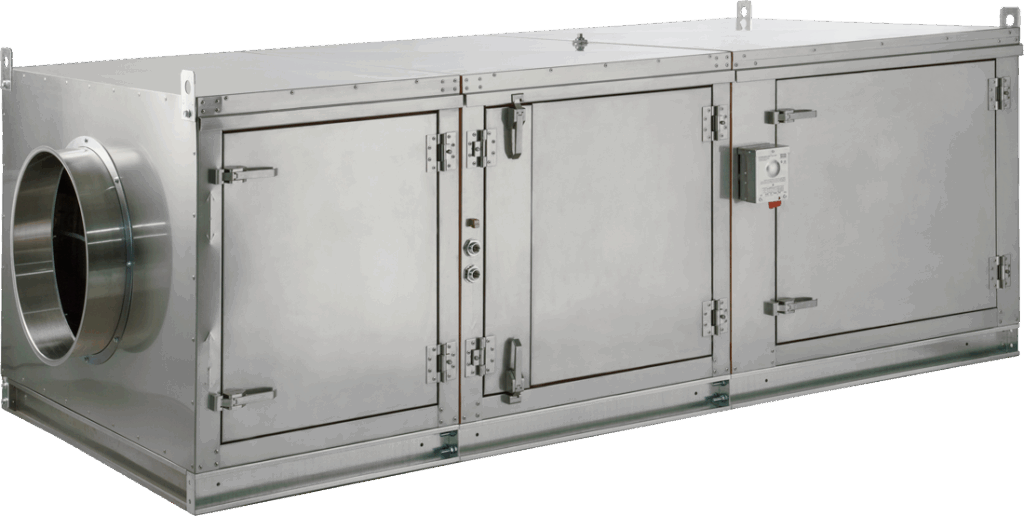
Restaurant kitchens generate more than just delicious food—they produce smoke, grease-laden vapors, and airborne particles that impact air quality both inside and outside your establishment. As environmental regulations become stricter and communities grow more concerned about air pollution, many restaurant operators are discovering they need equipment they’ve never heard of: Air Pollution Control Units, commonly called PCUs. These specialized filtration systems capture and treat exhaust from commercial cooking operations before releasing it into the atmosphere. For many restaurants, installing a PCU isn’t optional—it’s a regulatory requirement that affects your ability to operate legally. Understanding what these units do and why they matter helps you make informed decisions about compliance, equipment investment, and community relations. Understanding Air Pollution Control Units Air Pollution Control Units are advanced filtration systems installed in restaurant exhaust systems to remove grease particles, smoke, and odors from cooking emissions before they exit to the outside air. These units work in conjunction with traditional kitchen exhaust hoods but provide a higher level of treatment than standard ventilation systems. PCUs use multiple stages of filtration and treatment to capture contaminants. The basic process involves pulling exhaust air through the unit where various technologies remove particles and neutralize odors. Clean air then exits through the roof or exterior wall, meeting air quality standards set by local, state, and federal regulations. Different PCU technologies address specific types of contaminants: Electrostatic Precipitation uses electrical charges to attract and capture grease particles and smoke. Air passes through an ionizing section that charges particles, then through collector plates that attract the charged particles and remove them from the airstream. Carbon Filtration removes odors by passing air through activated carbon beds that absorb odor-causing molecules. This technology is particularly effective for controlling food smells that can disturb nearby residents or businesses. UV Oxidation uses ultraviolet light to break down organic compounds, including grease vapors and odor molecules. The UV energy causes chemical reactions that convert these compounds into less problematic substances. Water Wash Systems spray water through the exhaust stream to capture particles and cool the air. These systems can be effective for high-volume operations but require water supply connections and drainage systems. Multi-Stage Systems combine several technologies to achieve maximum pollutant removal. Many commercial PCUs use electrostatic precipitation for particle capture along with carbon filtration for odor control, providing comprehensive treatment. Why Restaurants Generate Air Pollution Commercial cooking produces emissions that contribute to air quality problems in urban areas. Understanding what your kitchen releases helps explain why regulations require control equipment. Grease particles become airborne during cooking, especially from high-temperature operations like grilling, frying, and charbroiling. These microscopic droplets float in the air and can travel significant distances. When released outdoors, they settle on buildings, vehicles, and vegetation, creating visible pollution and maintenance problems. Smoke from charbroiling, grilling, and other high-heat cooking contains particulate matter that contributes to smog and respiratory health concerns. Fine particulate matter can penetrate deep into the lungs, making it a significant public health concern in areas with many restaurants. Volatile organic compounds (VOCs) evaporate from cooking oils, marinades, and the food itself during heating. These compounds contribute to ground-level ozone formation and can create odor problems for neighbors. Odor molecules from cooking travel through exhaust systems and can affect areas around the restaurant. What smells appetizing inside your dining room may be unwelcome to residents in nearby apartments or office workers in adjacent buildings. The volume of emissions from restaurants is substantial. A busy restaurant kitchen exhausts thousands of cubic feet of air per minute, and each cubic foot carries contaminants from cooking operations. Multiply this by the number of restaurants in a city, and the cumulative impact on air quality becomes significant. Regulatory Requirements for PCUs Air quality regulations vary by location, but many jurisdictions now require PCUs for certain types of restaurants or cooking operations. Local Air Quality Districts in many metropolitan areas have established rules requiring PCUs for restaurants with specific characteristics. These districts have authority over air pollution sources and can mandate control equipment for commercial cooking operations. Atlanta and the surrounding areas fall under regulations administered by air quality management agencies that set standards for restaurant emissions. Requirements depend on factors including restaurant size, cooking methods, and location. Permit Requirements for new restaurants often include PCU installation as a condition of approval. Building permits, health permits, and business licenses may all reference air quality compliance requirements. Retrofit Requirements apply to existing restaurants in some jurisdictions. When regulations change or complaints arise, operating restaurants may receive orders to install PCUs even though they were grandfathered under previous rules. Triggering Factors that commonly require PCU installation include: Emission Standards specify maximum allowable levels of particulate matter and other pollutants in exhaust air. PCUs must demonstrate they can achieve these standards through testing and certification. Operating Permits issued by air quality agencies may include specific conditions regarding PCU operation and maintenance. These permits often require regular inspections, performance testing, and record keeping. How PCUs Differ from Standard Exhaust Hoods Many restaurant operators assume their kitchen exhaust hood system provides adequate air pollution control. Understanding the difference between standard hoods and PCUs clarifies why additional equipment may be necessary. Traditional exhaust hoods capture cooking emissions and vent them outside through ductwork and roof fans. These systems include grease filters that remove larger particles to protect ductwork and prevent grease fires. However, standard hood filters only capture a fraction of the grease particles and do nothing to address smoke or odors. The grease filters in typical hoods are designed primarily for fire safety, not air quality. They catch larger grease droplets before they enter ductwork, where they could create fire hazards, but they allow smaller particles to pass through and exit to the atmosphere. PCUs provide a much higher level of treatment, capturing particles that pass through hood filters and addressing pollutants that hood systems don’t handle at all. Installation typically occurs after the hood exhaust fan, treating all air before it exits the building. Some integrated systems