
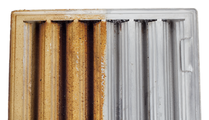
The fire marshal walks into your Atlanta restaurant during the dinner rush. After a quick inspection of your kitchen hood system, he points to your grease-caked baffle filters and writes a violation notice. Your filters haven’t been changed in three months, and the buildup poses a serious fire hazard.
This scenario happens more often than most restaurant owners realize. Hood filters are the first line of defense against grease fires, yet they’re among the most neglected components in commercial kitchens across Atlanta, Savannah, and Jacksonville.
Understanding Baffle Filters and Their Function
Baffle filters sit inside your commercial kitchen hood system, positioned directly above cooking equipment. These multi-layered metal filters use a series of baffles or directional changes to capture grease particles from cooking exhaust before they enter your ductwork.
How Baffle Filters Work:
Hot air and grease-laden vapors rise from cooking surfaces and flow through the baffle filter’s channels. As air changes direction through the baffles, grease particles—which are heavier than air—lose momentum and condense on the metal surfaces. Clean air continues through the ductwork while grease remains trapped in the filter.
Filter Construction:
Professional-grade baffle filters feature stainless steel construction with precisely angled baffles that maximize grease capture. Quality filters include drain channels that direct captured grease into collection cups, preventing re-entrainment into the exhaust stream.
Why Filters Matter:
Without functional filters, grease accumulates throughout your entire exhaust system—ductwork, fans, and roof-mounted equipment. This creates fire hazards, reduces system efficiency, and leads to expensive cleaning and repair costs.
Recommended Replacement and Cleaning Schedules
The frequency of filter maintenance depends on your cooking volume, food type, and kitchen operations. Most commercial kitchens need more frequent service than their owners realize.
High-Volume Operations
Weekly Replacement or Cleaning:
Fast food restaurants, high-volume diners, and establishments with continuous fryer use require weekly filter service. These kitchens generate massive grease quantities that quickly saturate filters and reduce effectiveness.
Atlanta sports bars serving wings and fried appetizers during football season might need twice-weekly service during peak months. The combination of heavy frying and extended operating hours accelerates grease accumulation beyond normal rates.
Standard Full-Service Restaurants
Bi-Weekly to Monthly Service:
Traditional restaurants with moderate cooking volumes typically maintain adequate fire safety and system performance with bi-weekly or monthly filter service. This schedule works for establishments serving lunch and dinner with varied menus including grilled, sautéed, and fried items.
Savannah’s historic district restaurants often fall into this category. These establishments balance tourist traffic with local dining, creating consistent but manageable grease production that bi-weekly service handles effectively.
Limited Cooking Operations
Monthly to Quarterly Service:
Cafes, bakeries, coffee shops, and establishments with minimal frying can often extend service intervals to monthly or even quarterly replacement. These operations produce less grease vapor and don’t require the intensive maintenance of full-production kitchens.
However, even limited cooking operations must monitor filter condition. A Jacksonville breakfast cafe focusing on eggs and pancakes might need only monthly service, but adding chicken-fried steak to the menu would require schedule adjustments.
Specialized Cooking Methods
Custom Schedules:
Restaurants specializing in specific cooking methods need tailored filter schedules. Barbecue joints with wood-fired smokers accumulate soot and creosote alongside grease, requiring more frequent cleaning. Asian restaurants with high-heat wok cooking generate intense grease vapor requiring robust filtration and frequent service.
Filter Exchange vs. On-Site Cleaning
Commercial kitchens have two options for filter maintenance: on-site cleaning or professional filter exchange service. Each approach offers distinct advantages.
Filter Exchange Service Benefits
Immediate Replacement:
Exchange services provide clean filters instantly. Technicians arrive with sanitized, ready-to-install filters and swap them for your dirty ones. Your kitchen experiences zero downtime waiting for filters to be cleaned and dried.
Professional Cleaning Standards:
Filters removed from your kitchen undergo industrial cleaning in specialized equipment. High-temperature, high-pressure washers with commercial degreasers remove 100% of accumulated grease—far more effective than manual scrubbing in your dish room.
Consistent Filter Condition:
Exchange programs rotate filters through professional cleaning cycles, extending filter lifespan and maintaining consistent performance. You always receive filters in like-new condition rather than progressively degraded filters cleaned repeatedly in your kitchen.
Labor Savings:
Staff time spent scrubbing filters costs money. A cook earning $15 per hour who spends two hours cleaning filters costs $30 in labor alone. Exchange service eliminates this expense while delivering superior results.
Compliance Documentation:
Professional exchange services provide documentation of filter changes, creating records that satisfy health department and fire marshal inspection requirements. This paperwork proves your commitment to fire safety and regulatory compliance.
On-Site Cleaning Considerations
Some restaurants prefer handling filter cleaning internally. This approach works for operations with adequate staff, proper cleaning facilities, and management commitment to consistent maintenance.
Daily or Shift Cleaning:
Filters must be removed, soaked in degreaser, scrubbed thoroughly, rinsed completely, and dried before reinstallation. This process takes 1-2 hours and requires proper safety equipment since commercial degreasers are caustic.
Limitations of Manual Cleaning:
Even diligent manual cleaning can’t match professional equipment. Grease penetrates filter baffles and accumulates in channels that hand scrubbing can’t reach. Over time, manually cleaned filters lose effectiveness and require replacement.
Safety Considerations:
Hot degreaser solutions, slippery surfaces, and heavy, wet filters create safety hazards. Workers have suffered burns, cuts, and back injuries during filter cleaning. Professional services eliminate these risks from your workplace.
Signs Your Filters Need Immediate Replacement
Between scheduled services, monitor your filters for these warning indicators:
Visible Grease Dripping:
Filters dripping grease even when cold have exceeded capacity. The grease layer is so thick that gravity pulls it through the baffles. This represents an extreme fire hazard requiring immediate replacement.
Heavy Grease Coating:
When baffle channels are filled with solidified grease to the point that metal surfaces are no longer visible, the filter has lost effectiveness. Grease-laden air now bypasses the saturated filter and enters your ductwork.
Reduced Airflow:
Clogged filters restrict airflow through your hood system. You might notice smoke lingering in the kitchen or grease vapor escaping around the hood edges rather than being captured. Kitchen temperatures might also increase due to reduced exhaust effectiveness.
Filter Damage:
Bent baffles, torn mesh, or structural damage prevent proper grease capture. Damaged filters must be replaced immediately, regardless ofthe cleaning schedule.
Persistent Grease Odors:
Filters saturated with old grease emit distinctive rancid odors that permeate the kitchen and sometimes reach dining areas. No amount of cleaning removes these odors once grease has deeply penetrated filter materials.
Fire Safety and Regulatory Requirements
Fire marshals and health inspectors across Atlanta, Savannah, and Jacksonville enforce strict standards for hood filter maintenance. Understanding these requirements helps you maintain compliance and protect your investment.
NFPA 96 Standards
The National Fire Protection Association publishes NFPA 96: Standard for Ventilation Control and Fire Protection of Commercial Cooking Operations. This code governs the hood system maintenance nationwide and forms the basis for local regulations.
Key NFPA 96 Requirements:
Filters must be in place whenever cooking equipment operates. Missing or damaged filters violate fire code and can result in immediate shutdown orders. Filters must be cleaned or replaced frequently enough to prevent dangerous grease accumulation.
NFPA 96 doesn’t specify exact cleaning intervals because variables differ by operation. However, it requires maintaining filters in a condition that allows proper grease capture and doesn’t create fire hazards.
Atlanta Fire Marshal Inspections
Atlanta fire inspectors focus heavily on hood system maintenance during restaurant inspections. They examine filter condition, check for grease buildup in accessible ductwork, and review maintenance documentation.
Common Atlanta Violations:
Saturated filters with visible grease buildup, missing filters during operations, lack of documentation proving regular maintenance, and grease accumulation in ductwork extending beyond filters all trigger citations.
First-time minor violations typically result in warnings with required correction within 30 days. Serious violations or repeat offenses can lead to fines starting at $500 and increasing for continued non-compliance.
Savannah Historic District Requirements
Savannah’s historic buildings present unique challenges for kitchen ventilation systems. Many structures have limited space for modern hood systems, making proper filter maintenance even more critical.
Historic Property Considerations:
Older buildings often have shorter duct runs and less powerful exhaust fans than modern facilities. This makes filter efficiency paramount—you can’t compensate for poor filtration with increased airflow like newer buildings can.
Fire protection in historic structures requires extra vigilance. The combination of old wood construction and commercial cooking creates a significant risk that proper filter maintenance helps mitigate.
Jacksonville Coastal Environment
Jacksonville’s coastal location creates additional challenges for the hood system maintenance. Salt air accelerates corrosion of stainless steel components, and high humidity promotes rapid grease rancidity.
Coastal Maintenance Factors:
Filters in Jacksonville kitchens often require more frequent replacement than identical operations inland. The marine environment degrades filter materials faster and accelerates grease decomposition, creating stronger odors in shorter timeframes.
Restaurants near the beaches or St. Johns River should consider shortening standard service intervals by 25-30% to account for environmental factors unique to coastal operations.
Filter Types and Their Maintenance Needs
Not all hood filters are created equal. Understanding different filter types helps you choose the right products and maintain them properly.
Stainless Steel Baffle Filters
Industry Standard:
Commercial-grade stainless steel baffle filters represent the professional standard for restaurant kitchens. They’re durable, cleanable, and effective at grease capture when properly maintained.
These filters withstand repeated cleaning cycles without degrading. Quality stainless steel baffles last years with proper care, making them cost-effective despite a higher upfront investment than cheaper alternatives.
Maintenance Requirements:
Professional cleaning every 2-4 weeks, depending on cooking volume. Filters should be inspected weekly for damage or excessive accumulation between scheduled cleanings.
Aluminum Baffle Filters
Budget Alternative:
Aluminum filters cost less than stainless steel but don’t perform as well or last as long. They’re appropriate for light-duty applications but inappropriate for high-volume cooking.
Aluminum degrades faster under repeated exposure to commercial degreasers and high-temperature cleaning. Most aluminum filters require replacement within 1-2 years, compared to 5-10 years for quality stainless steel.
When to Choose Aluminum:
Coffee shops, bakeries, and other limited cooking operations might find aluminum filters adequate. However, any kitchen with regular frying should invest in stainless steel for better long-term value and performance.
Mesh Filters
Not Recommended:
Simple mesh filters lack the directional baffles that effectively capture grease. They’re common in residential range hoods but inappropriate for commercial applications.
Health departments and fire marshals often cite restaurants using mesh filters instead of proper baffle filters. These products don’t meet commercial ventilation standards and should be replaced with code-compliant baffle filters.
Proper Filter Installation and Positioning
Even clean filters don’t work correctly if improperly installed. Ensure your filters provide maximum protection:
Correct Orientation:
Baffle filters have directional design—they must be installed with baffles positioned to force air changes in the correct direction. Installing filters backward or sideways dramatically reduces effectiveness.
Most filters have arrows or markings indicating proper installation direction. Train all staff who handle filters to verify correct positioning during installation.
Complete Coverage:
Every opening in your hood must have filter coverage. Gaps between filters or missing filters allow grease to bypass filtration and enter ductwork directly.
Measure your hood system carefully and ensure you have sufficient filters to cover all openings without gaps. Custom sizing may be necessary for non-standard hood configurations.
Secure Mounting:
Filters must be securely locked into mounting brackets. Loose filters rattle during operation, create gaps that allow grease bypass, and pose falling hazards to workers below.
Check filter security during every cleaning or replacement. Damaged mounting brackets require immediate repair to maintain system integrity.
Grease Cup Positioning:
Most baffle filters include removable grease cups that collect condensed grease. These must be positioned correctly and emptied regularly—daily in high-volume kitchens.
Overflowing grease cups defeat filter’s purpose by allowing grease to drain back onto cooking surfaces or drip onto the floor. Make grease cup maintenance part of daily closing procedures.
Creating an Effective Filter Maintenance Program
Systematic filter maintenance prevents problems and ensures consistent fire safety:
Establish Clear Schedules
Document Service Intervals:
Create written schedules specifying filter service frequency. Post these schedules in kitchen areas where management and staff can reference them easily.
For exchange programs, coordinate with your service provider to establish recurring appointments that align with your operational needs. Automatic scheduling eliminates the risk of forgetting service dates.
Assign Responsibility:
Designate specific staff members responsible for filter monitoring between professional services. Kitchen managers or head cooks typically handle this role, conducting weekly visual inspections and reporting concerns.
Clear responsibility prevents situations where everyone assumes someone else is monitoring filters and problems go unnoticed until they become serious.
Implement Inspection Protocols
Weekly Visual Checks:
Every Monday morning, inspect all filters for visible grease accumulation, damage, or other issues. This takes only 5-10 minutes but catches problems before they escalate.
Look for grease dripping from filters, bent or damaged baffles, missing filters, and full grease cups. Document findings in a simple logbook that demonstrates your commitment to maintenance.
Monthly Detailed Inspection:
Once a month, remove filters and examine them closely. Check both sides for grease penetration, inspect mounting brackets for damage, and verify that all filters remain securely fastened.
This detailed inspection often reveals issues not visible during routine visual checks, allowing you to address problems before they affect system performance or create safety hazards.
Maintain Documentation
Service Records:
Keep all invoices, service reports, and documentation from filter exchange or cleaning services. These records prove compliance during health inspections and fire marshal visits.
Many jurisdictions require maintaining records for 3-5 years. Digital copies provide backup if paper records are lost or damaged.
Incident Reports:
Document any filter-related problems: damage discovered, emergency replacements needed, or system performance issues. These reports help identify patterns and optimize maintenance schedules.
If filters consistently need early replacement, your scheduled interval may be insufficient for your cooking volume. Records provide data to make informed decisions about service frequency.
Cost Considerations and Budgeting
Filter maintenance represents a predictable operating expense that protects against much higher costs:
Direct Maintenance Costs
Exchange Service Programs:
Most filter exchange services charge monthly fees based on the number of filters and service frequency. Typical costs range from $150-$500 monthly, depending on kitchen size and cleaning schedule.
This predictable expense simplifies budgeting and includes professional cleaning, delivery, installation, and documentation—everything needed for compliance.
Filter Replacement:
Individual baffle filters cost $30-$100, depending on size and quality. A full kitchen hood might require 6-12 filters, representing $300-$1,200 in replacement inventory.
Filters typically last 5-10 years with professional maintenance, making replacement a periodic rather than frequent expense.
Hidden Costs of Neglect
Fire Damage:
Grease fires in hood systems can cause $50,000-$500,000 in damage. Many of these fires start in ductwork where neglected filter maintenance allowed grease accumulation.
Insurance companies often deny claims when investigations reveal inadequate filter maintenance contributed to fire damage. Proper maintenance protects both your property and insurance coverage.
Health Code Violations:
Citations for filter maintenance failures start at $500 and escalate for repeat violations. Serious violations can force temporary closure, costing thousands in lost revenue.
System Efficiency:
Clogged filters reduce airflow, forcing exhaust fans to work harder and consume more electricity. Poor ventilation also causes kitchen temperatures to rise, increasing air conditioning costs.
Hood Cleaning Expenses:
Professional hood and duct cleaning costs $500-$2,000 per service. Proper filter maintenance extends the time between cleanings by preventing grease from entering the ductwork.
Training Staff on Filter Importance
Your team plays a critical role in filter maintenance success:
Education Programs
New Hire Orientation:
Include hood filter importance in training for all kitchen staff. Explain fire risks, regulatory requirements, and each person’s role in maintaining clean, functional filters.
Show new employees how to identify problems, when to report concerns, and why filter maintenance matters for everyone’s safety.
Regular Refresher Training:
Conduct quarterly refreshers, reinforcing filter maintenance protocols. Use real examples from your restaurant or industry news to illustrate why these procedures matter.
Engaged, educated staff become your first line of defense against filter problems, catching issues early before they become serious.
Standard Operating Procedures
Daily Tasks:
Incorporate filter-related tasks into opening and closing checklists: verify all filters are in place, check grease cups and empty if needed, and note any visible problems for management review.
These quick checks take minimal time but prevent the most common filter issues from escalating.
Response Protocols:
Establish clear procedures for staff to report filter problems. Who do they tell? What happens next? How quickly must issues be addressed?
Clear protocols ensure problems receive timely attention rather than being forgotten during busy service periods.
Seasonal Considerations for Filter Maintenance
Restaurant operations change throughout the year, affecting filter needs:
Summer Volume Increases
Tourist Season:
Savannah and Jacksonville see significant tourist influxes during the summer months. Higher customer volumes mean more cooking and faster filter saturation.
Consider increasing service frequency during peak seasons, then returning to standard schedules during slower periods. Flexible programs adapt to your operational reality.
Heat and Humidity:
Summer heat accelerates grease rancidity, creating stronger odors in shorter timeframes. Coastal restaurants face this issue more intensely than inland operations.
Hot weather may necessitate more frequent filter changes even if grease accumulation rates remain constant, simply because odor development speeds up.
Holiday Rushes
Thanksgiving Through New Year:
Most restaurants experience elevated volume during holiday seasons. November and December see more cooking, more grease generation, and faster filter saturation.
Schedule extra filter services before major holidays. Having fresh filters installed before your busiest weeks ensures maximum system performance when you need it most.
Special Events:
Atlanta’s conventions, Savannah’s festivals, and Jacksonville’s sporting events create predictable volume spikes. Plan filter maintenance around these events to avoid problems during critical business periods.
Environmental Benefits of Proper Filter Maintenance
Beyond safety and compliance, proper filter maintenance offers environmental advantages:
Reduced Energy Consumption
Clean filters allow efficient airflow, reducing the energy required to exhaust cooking vapors. Your exhaust fans run at designed capacity rather than working harder to overcome restricted airflow.
This efficiency translates to lower electricity consumption and reduced carbon footprint from your operations.
Extended Equipment Life
Proper filtration protects expensive exhaust fans, ductwork, and roof-mounted equipment from grease damage. These components last longer and require less frequent replacement when filters prevent grease accumulation.
Reducing equipment replacement conserves the resources and energy required to manufacture new components.
Grease Recycling
Many professional filter cleaning services recycle the grease removed during cleaning. This recovered FOG (fats, oils, and grease) is processed into biodiesel and other products, keeping it out of landfills.
Your filter maintenance program can contribute to circular economy principles where waste products become valuable resources.
Choosing a Filter Exchange Service Provider
The right service partner makes filter maintenance effortless:
Key Selection Criteria
Local Presence:
Choose providers serving Atlanta, Savannah, or Jacksonville specifically. Local companies understand regional regulations, respond quickly to service needs, and provide reliable scheduled maintenance.
National chains often subcontract locally, creating communication issues and inconsistent service quality.
Service Reliability:
Your provider must deliver on scheduled dates without requiring constant reminders. Missed appointments leave you vulnerable to violations and safety issues.
Ask for references from similar restaurants and verify the company’s track record for consistent, dependable service.
Documentation Quality:
Professional providers supply detailed service documentation with every visit. This paperwork must satisfy health inspectors and fire marshals during routine inspections.
Review sample documentation before committing to ensure it meets local requirements.
Emergency Response:
Filter emergencies happen—damage during service, unexpected inspections, or rapid saturation during unusually busy periods. Your provider should offer same-day or next-day emergency filter replacement.
Fair Pricing:
While cost matters, the cheapest option rarely delivers the best value. Quality filter exchange services use proper cleaning equipment, maintain adequate filter inventory, and provide reliable scheduling.
Balance cost against service quality and reliability to find the best overall value.
Integrating Filter Service with Overall Hood Maintenance
Filter maintenance is one component of comprehensive hood system care:
Complete Hood Cleaning
Quarterly Deep Cleaning:
Even with perfect filter maintenance, your hood and accessible ductwork need quarterly professional cleaning. This removes grease that accumulates despite filtration.
Many service providers offer bundled packages combining filter exchange with scheduled hood cleaning. This integration simplifies management and often provides cost savings.
Annual Duct Inspection:
Full ductwork inspection and cleaning typically occur annually, ensuring the entire exhaust system remains clean and safe. This service often requires shutting down operations for several hours.
Schedule annual duct cleaning during planned closures or slow periods to minimize business impact.
Exhaust Fan Maintenance
Quarterly Fan Service:
Roof-mounted exhaust fans accumulate grease despite upstream filtration. Regular cleaning maintains performance and prevents grease-fueled fires in fan housings.
Coordinate fan maintenance with filter service and hood cleaning for comprehensive system care.
Making Filter Maintenance Part of Your Culture
The most successful restaurants treat filter maintenance as non-negotiable:
Management Commitment
Lead by Example:
When management prioritizes filter maintenance, staff follow suit. Make it clear that fire safety through proper filtration ranks among your top operational priorities.
Budget adequately for filter services and never skip scheduled maintenance to save short-term costs.
Regular Communication
Staff Meetings:
Include filter condition updates in weekly kitchen meetings. Discuss any issues discovered, recognize staff who caught problems early, and reinforce the importance of continued vigilance.
Performance Reviews:
Include filter monitoring in job descriptions and performance evaluations for kitchen managers and lead cooks. Making it part of formal responsibilities ensures accountability.
Your Restaurant Deserves Professional Filter Service
Proper baffle filter maintenance protects your Atlanta, Savannah, or Jacksonville restaurant from fires, keeps you compliant with regulations, and maintains efficient hood system operation. Don’t risk your business by neglecting this critical safety component.
Ready for Professional Filter Exchange Service?
Premier Grease provides comprehensive filter exchange programs throughout Atlanta, Savannah, and Jacksonville. We deliver clean, sanitized filters on your schedule and handle all documentation requirements. Our service keeps your kitchen safe, compliant, and operating at peak efficiency. Contact us today to establish a filter maintenance program customized for your restaurant’s needs.