
Baffle Filters vs. Mesh Filters: Which is Best for Your Commercial Kitchen?
You’re setting up a new restaurant in Atlanta’s bustling food scene. The hood system contractor hands you a quote with two filter options: stainless steel baffle filters at $85 each or aluminum mesh filters at $25 each. The cost difference is substantial, but so is the performance gap—and choosing wrong could cost you thousands in the long run. This decision affects fire safety, regulatory compliance, maintenance costs, and daily kitchen operations. Understanding the real differences between baffle and mesh filters helps you make the right choice for your commercial kitchen. What Are Baffle Filters? Baffle filters use multiple layers of angled metal channels to capture grease from cooking exhaust. As grease-laden air flows through the filter, it must change direction repeatedly as it navigates the baffle design. Engineering Behind Baffles: The physics are straightforward—grease particles have mass and momentum. When air changes direction abruptly, lighter air molecules turn easily while heavier grease droplets continue their original path and collide with baffle surfaces. This separates grease from the air stream. Each directional change captures additional grease. Multi-stage baffle designs force air through several turns, achieving 70-85% grease capture efficiency in quality filters. Construction Details: Professional baffle filters feature heavy-gauge stainless steel construction with precisely angled channels. The baffles are spot-welded or riveted into sturdy frames that maintain structural integrity through years of cleaning cycles. Quality baffle filters include drain channels at the bottom where captured grease flows into removable collection cups. This prevents grease from re-entering the air stream during peak cooking periods. Industry Acceptance: Baffle filters represent the commercial kitchen standard. Fire marshals, health inspectors, and insurance companies recognize them as proper equipment for restaurant ventilation systems. They meet NFPA 96 requirements when properly maintained. What Are Mesh Filters? Mesh filters consist of layers of aluminum or stainless steel screen material designed to catch grease particles as air passes through. Think of them as sophisticated screens similar to what you’d find in residential range hoods, just larger and more robust. How Mesh Filters Work: Air flows directly through the mesh material. Grease particles contact the mesh surface and accumulate there. Multiple mesh layers increase the surface area available for grease capture. The concept seems simple and effective, but performance in real commercial environments often disappoints. Mesh filters work adequately for light-duty residential cooking but struggle with the volume and intensity of commercial operations. Typical Construction: Most mesh filters use aluminum frames with aluminum or galvanized steel mesh. Some higher-end versions feature stainless steel construction, but these remain uncommon in commercial settings. The mesh layers are typically held in place with metal frames and clips. Quality varies dramatically—cheap mesh filters lose structural integrity quickly while better versions last longer but still underperform compared to baffle designs. Limited Commercial Use: Mesh filters rarely appear in professional commercial kitchens. They’re more common in residential settings, small office break rooms, or very light-duty commercial applications like coffee shops without cooking equipment. Grease Capture Efficiency Comparison The most important difference between filter types is how effectively they remove grease from exhaust air. Baffle Filter Performance 70-85% Grease Removal: Quality baffle filters capture 70-85% of grease particles in the exhaust stream. This high efficiency protects your ductwork, exhaust fans, and roof-mounted equipment from grease accumulation. The multi-directional air flow design works particularly well for the particle sizes generated by commercial cooking. Larger droplets are caught in the first baffles while finer particles are captured in subsequent stages. Consistent Performance: Baffle filters maintain effectiveness even as they accumulate grease—up to a point. The directional changes continue separating grease until filters become completely saturated. This gives you warning time before performance degrades significantly. High-Volume Capability: Heavy cooking operations produce massive grease volumes. Baffle filters handle this output effectively, channeling captured grease to collection cups rather than allowing it to pass through to ductwork. Mesh Filter Limitations 40-60% Grease Removal: Even the best mesh filters only capture 40-60% of grease from commercial cooking exhaust. This means 40-60% of the grease your kitchen produces flows directly into ductwork. The simple filtration mechanism can’t match baffle efficiency. Grease particles that don’t directly contact mesh surfaces pass through untouched. Fine grease mist—common in high-heat cooking—often passes through mesh filters entirely. Rapid Performance Degradation: As mesh filters accumulate grease, their already-limited effectiveness drops further. Clogged mesh restricts airflow, causing grease-laden air to bypass the filter entirely around edges and through gaps. Overwhelmed by Volume: Commercial cooking volumes quickly saturate mesh filters. What might work adequately for a home kitchen fails spectacularly under restaurant conditions. Within days or even hours of heavy use, mesh filters lose most of their limited effectiveness. Fire Safety Considerations Fire safety represents the most important reason for choosing proper hood filters. Baffle Filters and Fire Protection NFPA 96 Compliance: The National Fire Protection Association’s NFPA 96 standard governs commercial kitchen ventilation. While it doesn’t explicitly mandate baffle filters, it requires systems that effectively capture grease and prevent dangerous accumulation. Baffle filters, when properly maintained, meet these requirements. Fire marshals across Atlanta, Savannah, and Jacksonville accept them as appropriate for commercial applications. Reduced Duct Fire Risk: By capturing 70-85% of grease before it enters ductwork, baffle filters dramatically reduce the fuel available for duct fires. Less grease in ducts means smaller fires if ignition occurs and slower fire spread through the exhaust system. Fire Suppression System Integration: Commercial fire suppression systems are designed around the assumption that proper filters are in place. Baffle filters work as intended with these systems, helping contain fires and allowing suppression chemicals to work effectively. Mesh Filter Fire Hazards Inadequate Grease Capture: Allowing 40-60% of grease to enter ductwork creates dangerous conditions. This grease accumulates on duct walls, in joints, and around exhaust fans—building fuel loads that can ignite catastrophically. Jacksonville fire investigators have traced multiple restaurant fires to inadequate filtration allowing excessive duct grease accumulation. The pattern is consistent: cheap filters, deferred maintenance, and eventual ignition. Rapid Fire Spread: When fires start in grease-loaded ductwork, they spread rapidly. The confined space and abundant
Hood Filter Replacement Schedule: How Often Should Restaurants Change Baffle Filters?
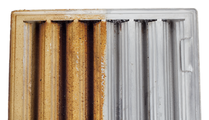
The fire marshal walks into your Atlanta restaurant during the dinner rush. After a quick inspection of your kitchen hood system, he points to your grease-caked baffle filters and writes a violation notice. Your filters haven’t been changed in three months, and the buildup poses a serious fire hazard. This scenario happens more often than most restaurant owners realize. Hood filters are the first line of defense against grease fires, yet they’re among the most neglected components in commercial kitchens across Atlanta, Savannah, and Jacksonville. Understanding Baffle Filters and Their Function Baffle filters sit inside your commercial kitchen hood system, positioned directly above cooking equipment. These multi-layered metal filters use a series of baffles or directional changes to capture grease particles from cooking exhaust before they enter your ductwork. How Baffle Filters Work: Hot air and grease-laden vapors rise from cooking surfaces and flow through the baffle filter’s channels. As air changes direction through the baffles, grease particles—which are heavier than air—lose momentum and condense on the metal surfaces. Clean air continues through the ductwork while grease remains trapped in the filter. Filter Construction: Professional-grade baffle filters feature stainless steel construction with precisely angled baffles that maximize grease capture. Quality filters include drain channels that direct captured grease into collection cups, preventing re-entrainment into the exhaust stream. Why Filters Matter: Without functional filters, grease accumulates throughout your entire exhaust system—ductwork, fans, and roof-mounted equipment. This creates fire hazards, reduces system efficiency, and leads to expensive cleaning and repair costs. Recommended Replacement and Cleaning Schedules The frequency of filter maintenance depends on your cooking volume, food type, and kitchen operations. Most commercial kitchens need more frequent service than their owners realize. High-Volume Operations Weekly Replacement or Cleaning: Fast food restaurants, high-volume diners, and establishments with continuous fryer use require weekly filter service. These kitchens generate massive grease quantities that quickly saturate filters and reduce effectiveness. Atlanta sports bars serving wings and fried appetizers during football season might need twice-weekly service during peak months. The combination of heavy frying and extended operating hours accelerates grease accumulation beyond normal rates. Standard Full-Service Restaurants Bi-Weekly to Monthly Service: Traditional restaurants with moderate cooking volumes typically maintain adequate fire safety and system performance with bi-weekly or monthly filter service. This schedule works for establishments serving lunch and dinner with varied menus including grilled, sautéed, and fried items. Savannah’s historic district restaurants often fall into this category. These establishments balance tourist traffic with local dining, creating consistent but manageable grease production that bi-weekly service handles effectively. Limited Cooking Operations Monthly to Quarterly Service: Cafes, bakeries, coffee shops, and establishments with minimal frying can often extend service intervals to monthly or even quarterly replacement. These operations produce less grease vapor and don’t require the intensive maintenance of full-production kitchens. However, even limited cooking operations must monitor filter condition. A Jacksonville breakfast cafe focusing on eggs and pancakes might need only monthly service, but adding chicken-fried steak to the menu would require schedule adjustments. Specialized Cooking Methods Custom Schedules: Restaurants specializing in specific cooking methods need tailored filter schedules. Barbecue joints with wood-fired smokers accumulate soot and creosote alongside grease, requiring more frequent cleaning. Asian restaurants with high-heat wok cooking generate intense grease vapor requiring robust filtration and frequent service. Filter Exchange vs. On-Site Cleaning Commercial kitchens have two options for filter maintenance: on-site cleaning or professional filter exchange service. Each approach offers distinct advantages. Filter Exchange Service Benefits Immediate Replacement: Exchange services provide clean filters instantly. Technicians arrive with sanitized, ready-to-install filters and swap them for your dirty ones. Your kitchen experiences zero downtime waiting for filters to be cleaned and dried. Professional Cleaning Standards: Filters removed from your kitchen undergo industrial cleaning in specialized equipment. High-temperature, high-pressure washers with commercial degreasers remove 100% of accumulated grease—far more effective than manual scrubbing in your dish room. Consistent Filter Condition: Exchange programs rotate filters through professional cleaning cycles, extending filter lifespan and maintaining consistent performance. You always receive filters in like-new condition rather than progressively degraded filters cleaned repeatedly in your kitchen. Labor Savings: Staff time spent scrubbing filters costs money. A cook earning $15 per hour who spends two hours cleaning filters costs $30 in labor alone. Exchange service eliminates this expense while delivering superior results. Compliance Documentation: Professional exchange services provide documentation of filter changes, creating records that satisfy health department and fire marshal inspection requirements. This paperwork proves your commitment to fire safety and regulatory compliance. On-Site Cleaning Considerations Some restaurants prefer handling filter cleaning internally. This approach works for operations with adequate staff, proper cleaning facilities, and management commitment to consistent maintenance. Daily or Shift Cleaning: Filters must be removed, soaked in degreaser, scrubbed thoroughly, rinsed completely, and dried before reinstallation. This process takes 1-2 hours and requires proper safety equipment since commercial degreasers are caustic. Limitations of Manual Cleaning: Even diligent manual cleaning can’t match professional equipment. Grease penetrates filter baffles and accumulates in channels that hand scrubbing can’t reach. Over time, manually cleaned filters lose effectiveness and require replacement. Safety Considerations: Hot degreaser solutions, slippery surfaces, and heavy, wet filters create safety hazards. Workers have suffered burns, cuts, and back injuries during filter cleaning. Professional services eliminate these risks from your workplace. Signs Your Filters Need Immediate Replacement Between scheduled services, monitor your filters for these warning indicators: Visible Grease Dripping: Filters dripping grease even when cold have exceeded capacity. The grease layer is so thick that gravity pulls it through the baffles. This represents an extreme fire hazard requiring immediate replacement. Heavy Grease Coating: When baffle channels are filled with solidified grease to the point that metal surfaces are no longer visible, the filter has lost effectiveness. Grease-laden air now bypasses the saturated filter and enters your ductwork. Reduced Airflow: Clogged filters restrict airflow through your hood system. You might notice smoke lingering in the kitchen or grease vapor escaping around the hood edges rather than being captured. Kitchen temperatures might also increase due to reduced exhaust effectiveness. Filter Damage: