
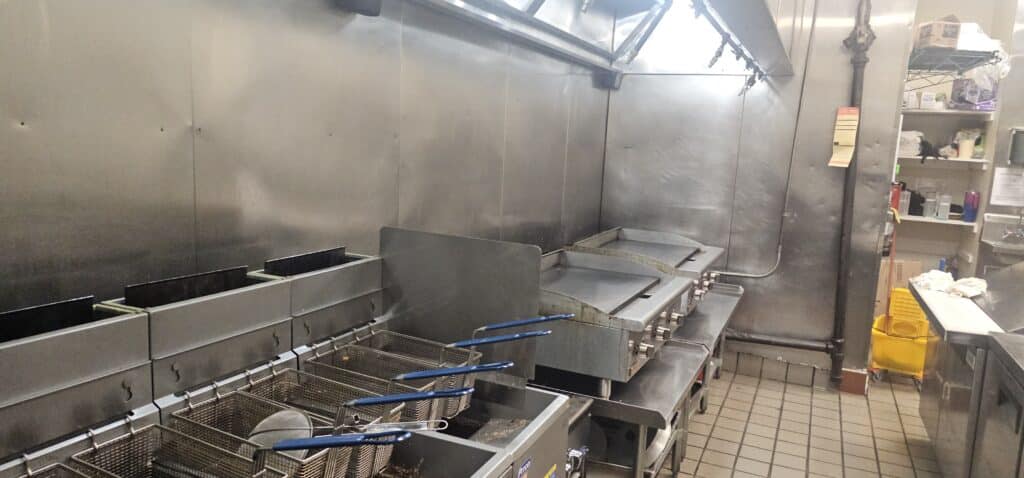
Every week, restaurants across Atlanta pour thousands of gallons of used cooking oil down the drain or pay to have it hauled away as waste. What many business owners don’t realize is that this “waste” product has real monetary value. Used cooking oil can be converted into biodiesel fuel, creating an opportunity for restaurants to generate additional income while supporting environmental sustainability.
The Hidden Value in Your Kitchen’s Waste Oil
Used cooking oil collection has transformed from a simple disposal method into a profitable business practice for food service establishments. When you partner with a certified collection company, your spent fryer oil becomes raw material for renewable energy production. The oil you once considered garbage now has a market value that can offset your operating costs.
In Atlanta’s competitive restaurant market, every dollar counts. Smart operators are discovering that their fryer oil represents an untapped revenue stream. The process is straightforward: instead of paying for disposal, you receive payment for your used oil. The amount varies based on current market rates and your volume, but many establishments see regular checks that help balance their bottom line.
Understanding the Collection Process
The journey from fryer to fuel starts when a collection service picks up your used cooking oil. Professional companies provide containers for storage and schedule regular pickups based on your volume. The oil must be free from water and solid food particles to maintain its value.
Once collected, the oil goes through a filtration and cleaning process. Refineries then convert it into biodiesel, a renewable fuel that powers vehicles and machinery. This biodiesel meets strict quality standards set by the Environmental Protection Agency and can be blended with traditional diesel or used on its own.
Atlanta restaurants benefit from strong local demand for used cooking oil. The city’s commitment to green initiatives and renewable energy creates a robust market for this collected product. Collection services compete for your business, which can drive up the rates you receive.
What Determines Your Oil’s Value
Several factors affect how much money you can earn from your used cooking oil:
Volume: Larger operations that produce more oil typically command better rates. A high-volume restaurant might generate 50-100 gallons per week, while smaller establishments produce 10-20 gallons.
Quality: Clean oil free from water and excessive food debris has a higher value. Oil that’s been properly stored and hasn’t been contaminated fetches premium prices.
Market Conditions: Like any commodity, used cooking oil prices fluctuate based on supply and demand. Biodiesel production rates, petroleum prices, and government incentives all impact what collection companies can pay.
Service Agreement: The terms of your contract matter. Some companies offer higher rates but require longer commitments or minimum volumes. Others provide flexible arrangements with variable pricing.
Maximizing Your Revenue Potential
To get the most value from your used cooking oil, focus on quality and volume management. Store oil in designated containers away from water sources. Never mix different types of oil, as this can reduce value. Strain out food particles before storage to maintain quality.
Train your kitchen staff on proper oil handling. Many restaurants lose money because employees inadvertently contaminate oil with water or dispose of it incorrectly. A few minutes of training can protect your revenue stream.
Consider your oil management strategy. Some restaurants change oil too frequently, reducing the volume available for collection. Others wait too long, degrading oil quality and food taste. Find the balance that maintains food quality while maximizing collectible volume.
Legal Requirements and Compliance in Atlanta
Atlanta restaurants must follow specific regulations when arranging cooking oil collection. The city requires proper storage containers that prevent spills and contamination. These containers must be secured and clearly labeled. Your collection partner should provide compliant storage equipment as part of their service.
Health department regulations prohibit storing used oil where it could contaminate food or create safety hazards. Most restaurants keep collection containers in designated areas outside the kitchen, protected from the weather and easily accessible for pickup.
Your collection company must be licensed and insured to handle used cooking oil. Verify their credentials before signing any agreement. Reputable services carry proper insurance and follow all local, state, and federal regulations for transporting and processing used oil.
Environmental Benefits Beyond Revenue
While the financial benefits grab attention, the environmental impact of cooking oil collection deserves recognition. Every gallon of used oil converted to biodiesel reduces dependence on fossil fuels. Biodiesel produces fewer emissions than traditional diesel, contributing to cleaner air in Atlanta.
Proper collection prevents oil from entering water systems, where it causes serious environmental damage. When oil goes down drains, it can clog pipes, create backups, and contaminate waterways. A single gallon of oil can pollute up to one million gallons of water.
Atlanta has made sustainability a priority, and participating in cooking oil collection aligns your restaurant with the city’s environmental goals. This can strengthen your brand and appeal to environmentally conscious customers who increasingly consider sustainability when choosing where to dine.
Common Mistakes That Cost Restaurants Money
Many restaurants miss revenue opportunities by making simple errors. Mixing oil with water is the most frequent mistake. Even small amounts of water can render oil worthless to collection companies. Always keep containers completely dry before adding oil.
Some operators pour different types of oil into the same container. Mixing vegetable oil with animal fats or mixing oils from different cooking processes can reduce value. Keep oils separate when possible.
Failing to secure proper storage containers leads to spills, contamination, and lost revenue. Invest in quality storage equipment provided by your collection service. These containers protect your asset and prevent environmental violations.
Choosing the Right Collection Partner in Atlanta
Not all cooking oil collection services offer the same value or reliability. Research companies operating in Atlanta and compare their rates, services, and reputation. Ask about their payment structure—some pay per pickup, others monthly based on total volume.
Look for companies that provide all necessary equipment, including storage containers, pumps, and lockable lids. Free equipment provision is standard in the industry, so be wary of services that charge for containers.
Check pickup frequency and flexibility. Your oil volume may fluctuate seasonally, and you need a partner who can adjust to your needs. Emergency pickups should be available when your storage reaches capacity unexpectedly.
Building Long-Term Value
Establishing a relationship with a reliable collection partner creates ongoing value for your restaurant. Consistent service means regular revenue and one less operational headache to manage. Many operators report that their cooking oil checks cover other monthly expenses like pest control or waste management.
Track your oil production and revenue over time. This data helps you negotiate better rates and identify patterns in your operations. If volume increases, you may qualify for higher payment tiers.
Consider the total cost of oil management. When you factor in elimination of disposal fees, revenue from collection, and reduced environmental liability, the financial benefit becomes even clearer. Some restaurants save and earn several hundred dollars monthly through proper oil collection.
Looking Ahead: The Future of Cooking Oil Collection
The market for used cooking oil continues to grow as demand for renewable energy increases. Federal and state incentives for biodiesel production support strong prices for collected oil. Atlanta’s expanding food service industry means more participants in the collection market, which should maintain competitive rates for restaurants.
Technological advances in biodiesel production are improving the quality and efficiency of conversion processes. This trend supports long-term market stability and may create additional value for used cooking oil in the future.
Restaurants that establish good collection practices now position themselves to benefit from market growth. The infrastructure you put in place today—proper storage, trained staff, reliable partners—will serve your business for years to come.
Start Turning Waste into Revenue Today
Your restaurant’s used cooking oil represents real money sitting in your kitchen. By partnering with the right collection service, you can convert this waste product into a regular revenue stream while supporting environmental sustainability.
Premier Grease serves Atlanta restaurants with professional used cooking oil collection services. We provide free storage containers, offer competitive rates for your oil, and handle all pickup and transportation. Our experienced team also provides grease trap cleaning, hood cleaning, and comprehensive kitchen maintenance services to keep your operation running smoothly.
Contact Premier Grease today to start earning money from your used cooking oil. We’ll evaluate your volume, provide all necessary equipment, and set up a pickup schedule that works for your restaurant. Let us show you how easy it is to turn your kitchen waste into revenue while protecting Atlanta’s environment.
Call us now to learn more about our cooking oil collection program and discover how much your restaurant can earn. Premier Grease—your partner for profitable, sustainable kitchen maintenance in Atlanta.