
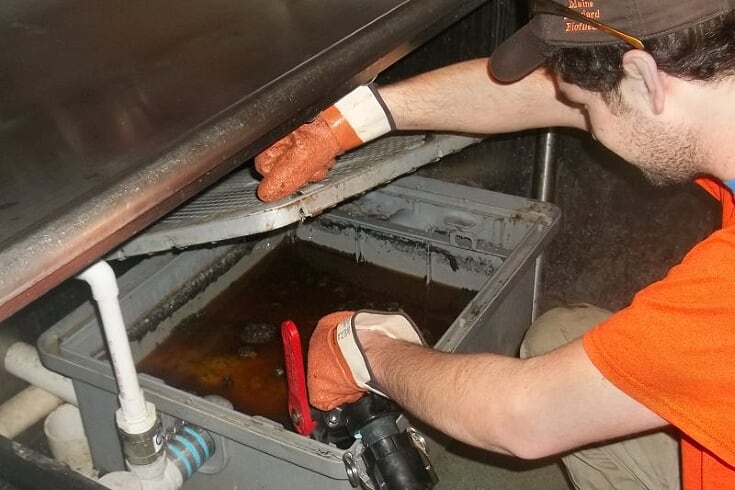
Every restaurant owner in Atlanta, Savannah, and Jacksonville knows the sinking feeling of a backed-up grease trap. The foul odors, health code violations, and potential for thousands in plumbing repairs make grease trap maintenance one of the most important—yet often overlooked—aspects of running a commercial kitchen.
Understanding Grease Trap Cleaning Requirements
The frequency of grease trap cleaning depends on several factors, but most commercial kitchens need service every 1-3 months. Health departments across Georgia and Florida have specific regulations that mandate regular maintenance, and falling behind can result in hefty fines or even temporary closure.
What Determines Your Cleaning Schedule?
Kitchen Volume and Type
High-volume restaurants that fry foods or serve heavy amounts of meat require more frequent cleaning than establishments with lighter cooking methods. A busy Atlanta barbecue joint will need monthly service, while a Savannah coffee shop might only require quarterly maintenance.
Grease Trap Size
Smaller grease interceptors fill up faster and need attention more often. A 20-pound capacity trap might need weekly service at a high-volume location, while a 1,000-gallon trap could go months between cleanings.
Local Regulations
Atlanta, Savannah, and Jacksonville each have their own requirements. Fulton County mandates that grease traps be cleaned when they reach 25% capacity, while Duval County enforces similar standards with regular inspections.
The 25% Rule: Industry Standard
Most health departments follow the 25% rule—your grease trap must be pumped when it reaches one-quarter full of fats, oils, and grease (FOG). Waiting until the trap is completely full leads to:
- Sewage backups into your kitchen
- Drain clogs throughout your plumbing system
- Environmental violations and fines
- Unpleasant odors that drive customers away
- Contamination of municipal sewer systems
Recommended Cleaning Frequencies by Business Type
Fast Food Restaurants
Every 2-4 weeks
High-volume fryers and constant cooking create massive amounts of grease. Chains and quick-service restaurants in busy Atlanta locations often need bi-weekly or even weekly service.
Full-Service Restaurants
Every 1-3 months
Sit-down restaurants with varied menus typically fall into this category. Your cleaning schedule depends on menu items—seafood restaurants may need less frequent service than steakhouses.
Cafeterias and Institutional Kitchens
Every 1-2 months
Schools, hospitals, and corporate dining facilities serve high volumes during specific hours. Regular monthly cleaning keeps these operations compliant and running smoothly.
Bakeries and Coffee Shops
Every 2-4 months
Lower grease production means these establishments can often extend time between cleanings, though regular monitoring remains important.
Bars and Taverns
Every 2-3 months
Bar kitchens with limited food service still accumulate grease from appetizers and fried foods, requiring regular maintenance.
Warning Signs You Need Immediate Cleaning
Don’t wait for your scheduled service if you notice these red flags:
Slow Draining Sinks
When water starts pooling in your three-compartment sink or prep areas, your trap is likely full or developing a clog.
Foul Odors
The smell of rotting grease indicates your trap has exceeded capacity. These odors permeate dining areas and drive customers away.
Sewage Backups
Any backup is an emergency requiring immediate professional service. This poses serious health risks and typically results in temporary closure.
Fruit Flies and Pests
Accumulated grease attracts insects and rodents. If you see an increase in pests near drains, your trap needs attention.
Gurgling Drains
Strange sounds from your plumbing indicate air trapped by grease buildup, signaling an overflowing trap.
Atlanta Health Department Requirements
Atlanta and surrounding Fulton County enforce strict grease trap regulations. Commercial kitchens must:
- Maintain written cleaning records for a minimum of three years
- Schedule service based on trap size and usage
- Pass quarterly inspections
- Display cleaning records on-site for inspectors
Violations can result in fines starting at $500 and increase for repeat offenses. The city takes grease management seriously because improper maintenance contributes to sanitary sewer overflows that affect entire neighborhoods.
Savannah Grease Trap Compliance
Savannah’s historic downtown hosts hundreds of restaurants in buildings with aging infrastructure. The city enforces:
- Mandatory quarterly cleaning for most establishments
- Special permits for new grease interceptor installations
- Surprise inspections by environmental health officers
- Penalties for FOG discharge into the sewer system
Many Savannah restaurants operate in historic buildings where plumbing modifications are restricted, making proper grease trap maintenance even more important.
Jacksonville FOG Program
Jacksonville’s Fats, Oils, and Grease program protects the St. Johns River and local waterways. Requirements include:
- Pre-treatment permits for all food service establishments
- Regular cleaning documented with manifest receipts
- Best management practices training for kitchen staff
- Annual inspections and reporting
The city has invested millions in preventing sewer blockages caused by grease, and they actively enforce compliance through regular monitoring.
What Happens During Professional Cleaning
Professional grease trap service involves more than just pumping. Here’s what you should expect:
Complete Trap Evacuation
Technicians use powerful vacuum trucks to remove all contents—not just the floating grease layer but also the water and settled solids at the bottom.
Interior Scraping and Cleaning
After pumping, the trap’s walls and baffles are scraped to remove adhered grease, preventing premature refilling.
Component Inspection
Professional technicians check gaskets, seals, and flow restrictors for damage that could affect trap performance.
Proper Disposal
All waste is transported to approved rendering or waste treatment facilities, never illegally dumped.
Documentation
You receive a cleaning manifest showing the date, volume pumped, and disposal location—required for health inspections.
Maintaining Your Trap Between Services
Regular professional cleaning forms the foundation, but daily practices extend the time between service calls:
Scrape Plates Thoroughly
Train staff to scrape all food waste into the trash before washing dishes. Even small amounts of grease accumulate quickly.
Use Drain Screens
Install and regularly clean screens in all sinks to catch food particles before they enter the plumbing.
Never Pour Grease Down Drains
Keep containers for used cooking oil and dispose of them through proper recycling channels, not down your drains.
Run Hot Water
After washing greasy dishes, run hot water for 2-3 minutes to help flush residual grease through the trap.
Clean Floor Drains
Regularly maintain floor drains in cooking areas, as these often feed into your grease trap system.
Monitor Trap Levels
Check your trap weekly by lifting the lid and measuring the grease layer with a measuring stick. Document these checks for inspectors.
Cost Implications of Proper Maintenance
While regular cleaning represents an operating expense, the costs of neglecting your grease trap far exceed maintenance fees:
Emergency Plumbing Repairs
A backed-up main line can cost $3,000-$10,000 to excavate and repair, plus lost revenue during closure.
Health Department Fines
Citations range from $500 to $5,000 depending on severity and repeat violations.
Environmental Penalties
Discharge violations carry much steeper fines—up to $25,000 per day in some jurisdictions.
Lost Business
Even a single day of closure due to grease trap issues can cost thousands in lost revenue and damage your reputation.
Higher Insurance Premiums
Claims for grease-related damage can increase your insurance costs for years.
Environmental Impact of Proper Grease Management
Grease trap maintenance protects more than your kitchen. When FOG enters the sewer system, it:
- Combines with other materials to form massive blockages called “fatbergs”
- Causes sanitary sewer overflows that contaminate waterways
- Costs municipalities millions in cleanup and repairs
- Harms aquatic ecosystems in rivers, lakes, and coastal areas
Atlanta, Savannah, and Jacksonville all border sensitive waterways. The Chattahoochee River, Savannah River, and St. Johns River depend on restaurants doing their part to prevent pollution.
Choosing a Reliable Grease Trap Service Provider
Not all grease trap companies deliver the same quality. Look for these qualities:
Licensed and Insured
Verify that any company you hire carries proper licensing for waste hauling and disposal, plus adequate insurance coverage.
Documented Disposal
Reputable companies provide manifest receipts showing where your grease was processed, proving legal disposal.
Experienced Technicians
Staff should understand local regulations and proper cleaning techniques, not just pump-and-go service.
Flexible Scheduling
The best providers offer service during off-hours to avoid disrupting your business operations.
Emergency Response
Grease trap emergencies don’t follow a schedule. Your service provider should offer 24/7 emergency response.
Local Knowledge
Companies familiar with Atlanta, Savannah, and Jacksonville regulations help you stay compliant with local requirements.
Creating Your Maintenance Schedule
Work with your service provider to establish a cleaning calendar based on:
- Your trap’s capacity and current fill rate
- Kitchen volume and cooking methods
- Local regulation requirements
- Historical cleaning records
- Any previous backup or compliance issues
Most businesses benefit from recurring service contracts that automatically schedule cleanings, provide reminder notices, and lock in pricing.
Record Keeping Best Practices
Health inspectors expect detailed maintenance records. Keep files containing:
- Cleaning manifests with dates and volumes
- Photos of the trap condition before and after service
- Weekly monitoring logs showing grease levels
- Copies of service contracts
- Inspector reports and correspondence
Store these records both physically and digitally for easy access during inspections.
Training Your Kitchen Staff
Your team plays a vital role in grease trap maintenance. Regular training should cover:
- Proper plate scraping procedures
- Correct disposal of used cooking oil
- What can and cannot go down drains
- How to spot the warning signs of trap problems
- Documentation procedures for daily checks
Empower staff to report issues immediately rather than waiting for scheduled service.
Special Considerations for Multi-Location Operators
Chains and restaurant groups managing multiple locations face unique challenges:
Varying Local Requirements
An Atlanta location operates under different rules than one in Jacksonville. Your service provider should understand each jurisdiction.
Standardized Protocols
Develop company-wide best practices while allowing flexibility for local regulations.
Centralized Record Keeping
Use digital systems to track cleaning schedules, costs, and compliance across all locations.
Preferred Vendor Networks
Working with a service provider that covers all your markets simplifies management and often reduces costs.
Technology in Modern Grease Trap Management
New technologies help restaurants stay ahead of maintenance needs:
Automated Monitoring Systems
Sensors track grease levels in real-time and alert you when cleaning is needed, preventing emergencies.
Service Scheduling Apps
Digital platforms send automatic reminders and allow easy rescheduling when business demands change.
Photo Documentation
Before and after photos prove cleaning quality and provide evidence for inspectors.
Digital Manifests
Electronic record-keeping eliminates paper and makes compliance documentation easily accessible.
Common Mistakes That Lead to Problems
Avoid these frequent errors:
Waiting Too Long Between Cleanings
Many restaurants stretch service intervals to save money, only to face expensive emergencies later.
Hiring the Cheapest Provider
Low-cost services often cut corners on proper cleaning and disposal, leaving you liable for violations.
Ignoring Warning Signs
Slow drains and odors are early warnings. Addressing them immediately prevents bigger problems.
Poor Staff Training
Without proper education, kitchen staff inadvertently contribute to faster trap filling through improper disposal practices.
Inadequate Record Keeping
Missing documentation during inspections appears as non-compliance, even if you’ve maintained regular service.
Seasonal Considerations
Restaurant volume fluctuates throughout the year, affecting grease trap needs:
Summer in Coastal Markets
Savannah and Jacksonville see increased tourist traffic during summer months, requiring more frequent service.
Holiday Seasons
November through December brings higher volumes for most restaurants. Schedule additional cleanings during these peaks.
Slow Periods
Even during slower months, maintain your regular schedule. Grease doesn’t stop accumulating when business slows down.
When to Upgrade Your Grease Trap
Sometimes cleaning frequency indicates the need for a larger trap:
- Requiring service more than twice monthly
- Consistently reaching 25% capacity in under two weeks
- Expanding your menu to include more fried foods
- Increasing seating capacity or daily covers
- Adding new cooking equipment
Installing a properly-sized grease interceptor reduces operating costs and compliance headaches over time.
Protecting Your Investment
Your grease trap is a critical piece of infrastructure. Proper maintenance:
- Extends the trap’s functional lifespan
- Prevents costly emergency repairs
- Maintains your health department rating
- Protects the environment
- Keeps your kitchen running efficiently
Regular professional service from a reliable grease trap cleaning company ensures your daily practices are supported by expert maintenance, protecting your restaurant from the costly risks of grease trap neglect.
Need Professional Grease Trap Service?
Premier Grease serves commercial kitchens throughout Atlanta, Savannah, and Jacksonville with reliable, compliant grease trap cleaning services. Our experienced technicians understand local regulations and work around your schedule to minimize disruption to your business. Contact us today to establish a maintenance plan that keeps your kitchen running smoothly and your operations fully compliant.