
Warning Signs Your Restaurant’s Grease Trap Needs Immediate Cleaning
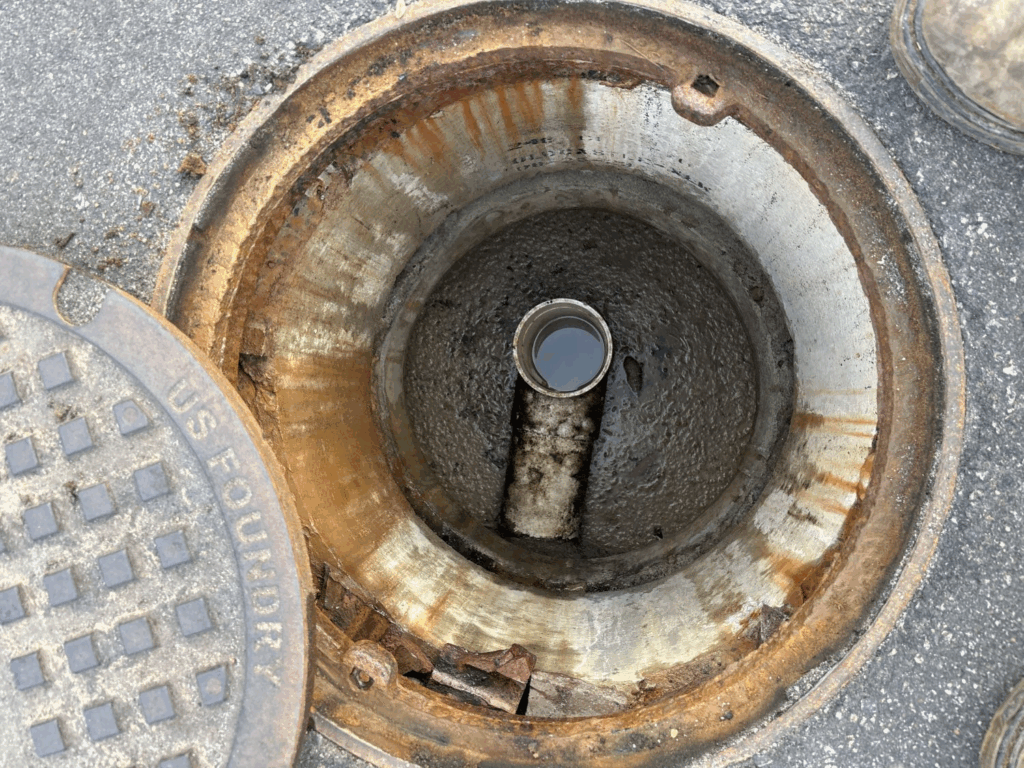
The lunch rush is in full swing at your Atlanta restaurant when you notice water pooling around the three-compartment sink. Your dishwasher mentions a strange smell near the back drain. By dinner service, you’re facing a full backup that shuts down your kitchen and sends customers away. This nightmare scenario plays out in commercial kitchens across Atlanta, Savannah, and Jacksonville every week—and nearly all cases could have been prevented by recognizing early warning signs. Why Grease Trap Problems Escalate Quickly Unlike other restaurant equipment that gradually degrades, grease traps can shift from manageable to emergency status in just days. Fats, oils, and grease solidify as they cool, creating blockages that compound exponentially. What starts as slightly slow drainage on Monday becomes a sewage backup by Friday. Understanding the warning signs allows you to schedule service before minor issues become major disasters that cost thousands in repairs, lost revenue, and potential health code violations. Slow Draining Sinks and Floor Drains The First Red Flag When water takes longer than usual to drain from sinks, you’re witnessing the earliest warning sign of grease trap trouble. This happens because accumulated FOG (fats, oils, and grease) reduces the trap’s capacity and restricts water flow through your plumbing system. What to Watch For: Water pooling in your prep sinks, dishwashing area, or mop sinks signals restricted drainage. Even a 10-20 second delay in drainage represents a problem that will worsen rapidly. Floor drains that hold standing water for more than a few seconds indicate similar blockage issues. Why It Happens: As your grease trap fills beyond the recommended 25% capacity, the remaining space for water flow shrinks. Grease layers floating on top and solids settled at the bottom create a narrow channel that can’t handle your kitchen’s wastewater volume during peak hours. Immediate Action: Don’t wait for your next scheduled cleaning. Contact your grease trap service provider within 24-48 hours. Continuing operations with slow drains accelerates the problem and increases the risk of complete blockage. Foul Odors Coming from Drains The Unmistakable Smell of Trouble That distinctive rotten, sulfurous odor emanating from your drains isn’t just unpleasant—it’s a clear indicator your grease trap has exceeded safe capacity. These smells develop when trapped organic matter begins decomposing in an oxygen-deprived environment. Different Odor Types and What They Mean: A sour, rancid smell indicates old grease breaking down. Sewage-like odors suggest solid waste accumulation. Sweet, sickly smells often point to bacterial growth in stagnant grease layers. Each variation signals the need for immediate professional attention. Impact on Your Business: Odors rarely stay confined to the kitchen. They permeate dining areas, cling to staff uniforms, and create negative impressions on customers. Online reviews frequently mention unpleasant smells, and health inspectors take notice during routine visits. The Jacksonville Experience: Restaurants near Jacksonville’s waterfront face particular challenges with odor issues due to high humidity and salt air. These conditions accelerate grease decomposition, making regular maintenance even more critical for coastal establishments. Taking Action: If you detect odors, your trap likely exceeded 50% capacity. This requires emergency service, not just accelerated scheduling. Continue operations carefully while waiting for your service appointment, and increase ventilation to minimize customer impact. Sewage or Wastewater Backups The Emergency Situation Water backing up through floor drains, overflowing from sinks, or appearing in unexpected locations represents a grease trap emergency. This occurs when the trap reaches maximum capacity and can no longer separate or contain any additional FOG. Health and Safety Risks: Backed-up wastewater contains harmful bacteria, pathogens, and contaminants. Staff members risk exposure to E. coli, Salmonella, and other dangerous organisms. The situation poses immediate health code violations that can result in temporary closure orders. Common Backup Scenarios: Morning backups often occur when overnight settling creates complete blockages. Post-weekend backups happen at restaurants closed on Sundays and Mondays when grease solidifies over the extended closure. High-volume service periods trigger backups when systems already operating at maximum capacity receive sudden surges. What Not to Do: Never attempt to use chemical drain cleaners or hot water flushes to clear a backup. These temporary fixes push grease further into your plumbing system, creating bigger problems downstream. Commercial enzymes and bacterial additives also provide false solutions that don’t address the root cause. Emergency Response: Stop all kitchen operations immediately. Contact your grease trap service provider for emergency service. Document the situation with photos and timestamps for insurance purposes and health department records. Implement your backup plan for food service while repairs are underway. Gurgling Sounds from Plumbing The Audio Warning Sign Gurgling, bubbling, or sucking sounds from drains indicate air trapped in your plumbing by grease blockages. As wastewater tries to flow through restricted passages, it creates air pockets that produce these distinctive noises. When Gurgling Signals Danger: Occasional light gurgling might occur in any plumbing system, but persistent, loud gurgling during regular use indicates serious restriction. If multiple drains gurgle simultaneously, you’re facing a main line blockage related to grease trap overflow. The Physics Behind the Problem: Proper drainage requires air to enter the system through vents while water flows out through drains. Grease blockages disrupt this balance, forcing air to escape through whatever opening it can find—usually back up through drain openings, creating those telltale sounds. Atlanta’s Aging Infrastructure: Many Atlanta restaurants operate in buildings with older plumbing systems, where gurgling problems compound more quickly. Cast iron pipes common in historic properties, trap grease more readily than modern PVC systems, making regular maintenance non-negotiable. Response Timeline: Gurgling represents a mid-stage warning that leaves you perhaps a week before facing serious backups. Schedule service within three business days, and monitor the situation closely. If gurgling intensifies or additional symptoms appear, move to emergency service protocols. Grease Visible in Sinks or Drains Seeing the Problem Directly When you can visually detect grease floating in sink water, coating drain openings, or accumulating around floor drain covers, your trap has lost its ability to separate FOG from wastewater effectively. What This Indicates: Visible grease means your trap reached capacity and now
How Often Should Commercial Grease Traps Be Cleaned? A Complete Guide
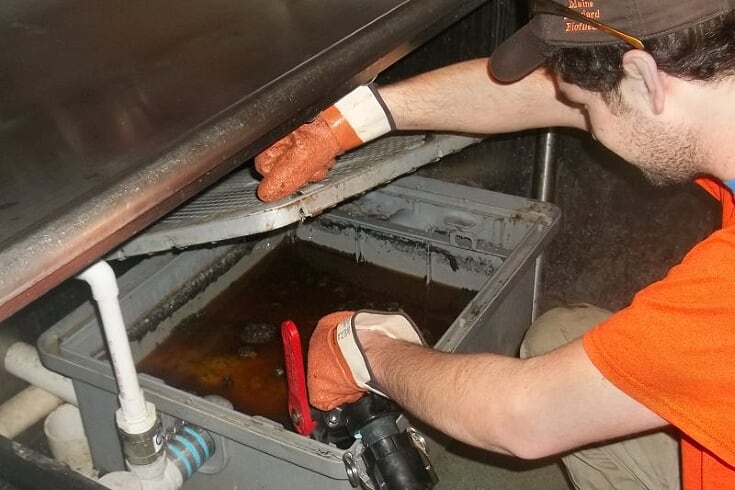
Every restaurant owner in Atlanta, Savannah, and Jacksonville knows the sinking feeling of a backed-up grease trap. The foul odors, health code violations, and potential for thousands in plumbing repairs make grease trap maintenance one of the most important—yet often overlooked—aspects of running a commercial kitchen. Understanding Grease Trap Cleaning Requirements The frequency of grease trap cleaning depends on several factors, but most commercial kitchens need service every 1-3 months. Health departments across Georgia and Florida have specific regulations that mandate regular maintenance, and falling behind can result in hefty fines or even temporary closure. What Determines Your Cleaning Schedule? Kitchen Volume and Type High-volume restaurants that fry foods or serve heavy amounts of meat require more frequent cleaning than establishments with lighter cooking methods. A busy Atlanta barbecue joint will need monthly service, while a Savannah coffee shop might only require quarterly maintenance. Grease Trap Size Smaller grease interceptors fill up faster and need attention more often. A 20-pound capacity trap might need weekly service at a high-volume location, while a 1,000-gallon trap could go months between cleanings. Local Regulations Atlanta, Savannah, and Jacksonville each have their own requirements. Fulton County mandates that grease traps be cleaned when they reach 25% capacity, while Duval County enforces similar standards with regular inspections. The 25% Rule: Industry Standard Most health departments follow the 25% rule—your grease trap must be pumped when it reaches one-quarter full of fats, oils, and grease (FOG). Waiting until the trap is completely full leads to: Recommended Cleaning Frequencies by Business Type Fast Food Restaurants Every 2-4 weeks High-volume fryers and constant cooking create massive amounts of grease. Chains and quick-service restaurants in busy Atlanta locations often need bi-weekly or even weekly service. Full-Service Restaurants Every 1-3 months Sit-down restaurants with varied menus typically fall into this category. Your cleaning schedule depends on menu items—seafood restaurants may need less frequent service than steakhouses. Cafeterias and Institutional Kitchens Every 1-2 months Schools, hospitals, and corporate dining facilities serve high volumes during specific hours. Regular monthly cleaning keeps these operations compliant and running smoothly. Bakeries and Coffee Shops Every 2-4 months Lower grease production means these establishments can often extend time between cleanings, though regular monitoring remains important. Bars and Taverns Every 2-3 months Bar kitchens with limited food service still accumulate grease from appetizers and fried foods, requiring regular maintenance. Warning Signs You Need Immediate Cleaning Don’t wait for your scheduled service if you notice these red flags: Slow Draining Sinks When water starts pooling in your three-compartment sink or prep areas, your trap is likely full or developing a clog. Foul Odors The smell of rotting grease indicates your trap has exceeded capacity. These odors permeate dining areas and drive customers away. Sewage Backups Any backup is an emergency requiring immediate professional service. This poses serious health risks and typically results in temporary closure. Fruit Flies and Pests Accumulated grease attracts insects and rodents. If you see an increase in pests near drains, your trap needs attention. Gurgling Drains Strange sounds from your plumbing indicate air trapped by grease buildup, signaling an overflowing trap. Atlanta Health Department Requirements Atlanta and surrounding Fulton County enforce strict grease trap regulations. Commercial kitchens must: Violations can result in fines starting at $500 and increase for repeat offenses. The city takes grease management seriously because improper maintenance contributes to sanitary sewer overflows that affect entire neighborhoods. Savannah Grease Trap Compliance Savannah’s historic downtown hosts hundreds of restaurants in buildings with aging infrastructure. The city enforces: Many Savannah restaurants operate in historic buildings where plumbing modifications are restricted, making proper grease trap maintenance even more important. Jacksonville FOG Program Jacksonville’s Fats, Oils, and Grease program protects the St. Johns River and local waterways. Requirements include: The city has invested millions in preventing sewer blockages caused by grease, and they actively enforce compliance through regular monitoring. What Happens During Professional Cleaning Professional grease trap service involves more than just pumping. Here’s what you should expect: Complete Trap Evacuation Technicians use powerful vacuum trucks to remove all contents—not just the floating grease layer but also the water and settled solids at the bottom. Interior Scraping and Cleaning After pumping, the trap’s walls and baffles are scraped to remove adhered grease, preventing premature refilling. Component Inspection Professional technicians check gaskets, seals, and flow restrictors for damage that could affect trap performance. Proper Disposal All waste is transported to approved rendering or waste treatment facilities, never illegally dumped. Documentation You receive a cleaning manifest showing the date, volume pumped, and disposal location—required for health inspections. Maintaining Your Trap Between Services Regular professional cleaning forms the foundation, but daily practices extend the time between service calls: Scrape Plates Thoroughly Train staff to scrape all food waste into the trash before washing dishes. Even small amounts of grease accumulate quickly. Use Drain Screens Install and regularly clean screens in all sinks to catch food particles before they enter the plumbing. Never Pour Grease Down Drains Keep containers for used cooking oil and dispose of them through proper recycling channels, not down your drains. Run Hot Water After washing greasy dishes, run hot water for 2-3 minutes to help flush residual grease through the trap. Clean Floor Drains Regularly maintain floor drains in cooking areas, as these often feed into your grease trap system. Monitor Trap Levels Check your trap weekly by lifting the lid and measuring the grease layer with a measuring stick. Document these checks for inspectors. Cost Implications of Proper Maintenance While regular cleaning represents an operating expense, the costs of neglecting your grease trap far exceed maintenance fees: Emergency Plumbing Repairs A backed-up main line can cost $3,000-$10,000 to excavate and repair, plus lost revenue during closure. Health Department Fines Citations range from $500 to $5,000 depending on severity and repeat violations. Environmental Penalties Discharge violations carry much steeper fines—up to $25,000 per day in some jurisdictions. Lost Business Even a single day of closure due to grease trap issues can cost thousands in