
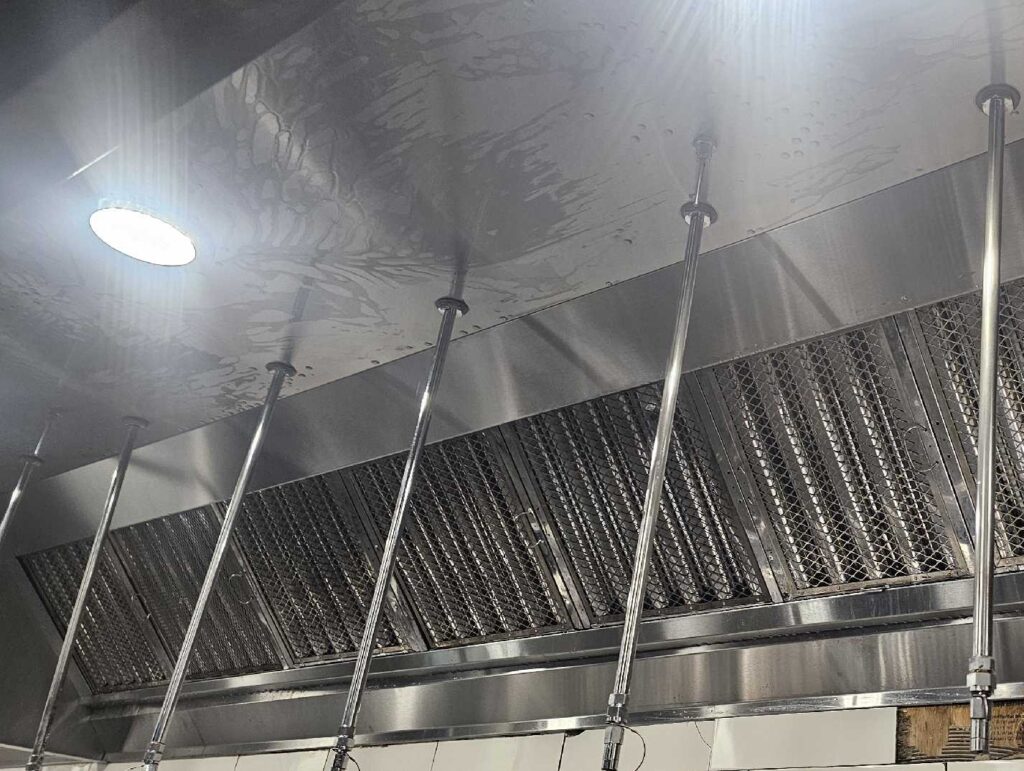
Understanding Georgia and Atlanta Hood Cleaning Laws
Restaurant owners in Atlanta face multiple layers of regulations governing kitchen exhaust system maintenance. Federal standards, Georgia state requirements, and local county ordinances all apply to commercial kitchen operations. Compliance with these regulations protects your business from fines, closures, and liability while keeping staff and customers safe.
This guide breaks down every regulation affecting Atlanta restaurants, explaining what you must do, when you must do it, and how to maintain proper documentation.
NFPA 96: The Foundation of Hood Cleaning Regulations
The National Fire Protection Association Standard 96 serves as the baseline for all hood cleaning regulations in Atlanta and throughout the United States. Fire marshals, health inspectors, and insurance companies reference NFPA 96 when evaluating commercial kitchen exhaust systems.
NFPA 96 Cleaning Frequency Requirements
NFPA 96 Chapter 11 establishes mandatory cleaning schedules based on cooking volume and food type:
- Systems serving solid fuel cooking operations (wood, charcoal, briquettes): Monthly cleaning required
- Systems serving high-volume cooking operations (24-hour restaurants, wok cooking, fast food): Quarterly cleaning (every 90 days)
- Systems serving moderate-volume cooking (full-service restaurants, hotel kitchens): Semi-annual cleaning (every 180 days)
- Systems serving low-volume cooking (day camps, seasonal businesses, churches, senior centers): Annual cleaning
- These represent minimum requirements. Atlanta fire inspectors can mandate more frequent cleaning based on visible grease accumulation during inspections.
What NFPA 96 Requires Be Cleaned
Complete exhaust system cleaning must include:
- Cooking equipment surfaces under the hood
- Hood interior surfaces (all angles and crevices)
- Grease filters and filter housing
- Exhaust plenum (the chamber above the filters)
- Entire duct system from hood to termination point
- Exhaust fans (blades, housing, and motor areas)
- Rooftop grease containment systems
- Any horizontal duct sections (which accumulate grease fastest)
Partial cleaning or spot cleaning does not meet NFPA 96 standards. The entire system, from cooking surface to rooftop exhaust point, requires thorough cleaning.
NFPA 96 Documentation Requirements
NFPA 96 Section 11.6 requires restaurants to maintain permanent records of all cleaning services, including:
- Service provider company name
- Technician name and certification number
- Date of service
- Areas cleaned during service
- Areas not cleaned (with explanation)
- Recommendations for repairs or additional cleaning
Records must remain accessible for inspection by fire marshals and health department officials. Many Atlanta restaurants maintain both physical files and digital records for easy retrieval.
Georgia State Fire Marshal Requirements
The Georgia State Fire Marshal’s office enforces fire safety regulations statewide, including commercial kitchen exhaust system standards. Georgia adopted NFPA 96 by reference in the Georgia State Minimum Fire Safety Standards.
Georgia Fire Code Compliance
Georgia Fire Code Section 609 addresses commercial cooking operations and requires:
- Compliance with NFPA 96 for all commercial cooking equipment
- Installation of approved fire suppression systems
- Regular inspection and maintenance of suppression systems
- Proper grease removal and disposal
- Access panels in ductwork for inspection and cleaning
Fire marshals conduct unannounced inspections of commercial kitchens. Violations result in citations requiring immediate correction before the restaurant can continue operating.
Fire Suppression System Inspections
Georgia law requires semi-annual inspection of kitchen fire suppression systems by certified technicians. These inspections often coincide with hood cleaning services, and fire suppression companies frequently identify grease accumulation requiring professional cleaning.
Fire suppression system inspection reports become part of your compliance documentation and may be requested during health inspections or insurance reviews.
Fulton County Health Department Regulations
Fulton County Department of Health and Wellness regulates food service establishments throughout Atlanta’s largest county. Their regulations address both food safety and fire safety aspects of kitchen exhaust systems.
Fulton County Food Service Rules Chapter 511-6-1
The Fulton County Board of Health adopted Georgia Department of Public Health Rules Chapter 511-6-1, which incorporates federal FDA Food Code standards. These rules require:
Adequate ventilation systems – All cooking equipment must have properly functioning exhaust ventilation
Clean and sanitary facilities – Grease accumulation on hood surfaces constitutes a sanitation violation
Equipment maintenance – Exhaust systems must be maintained in good repair and clean condition
Pest prevention – Grease buildup, attracting pests, violates sanitation standards
Health inspectors evaluate exhaust system cleanliness during routine inspections. Visible grease accumulation results in deductions from inspection scores and may require re-inspection after cleaning.
Fulton County Inspection Frequency
Fulton County conducts unannounced inspections of food service establishments:
- Full-service restaurants: 2-3 times annually
- High-risk facilities (hospitals, nursing homes): 4 times annually
- Seasonal or temporary operations: Before opening and during operation
Restaurants cannot refuse inspection, and health inspectors have the authority to enter during business hours without advance notice.
Fulton County Violation Classifications
Fulton County health inspections classify violations into three categories:
Priority violations – Items that pose immediate health hazards requiring correction within 24-48 hours
Priority foundation violations – Items supporting priority requirements, requiring correction within 10 days
Core violations – General sanitation items requiring correction but not immediate health threats
Excessive grease accumulation typically falls under priority foundation violations when affecting sanitation, or priority violations when creating fire hazards.
DeKalb County Health Department Regulations
DeKalb County Board of Health regulates restaurants in areas of Atlanta east of Fulton County, including Decatur, Tucker, and Brookhaven.
DeKalb County Food Service Requirements
DeKalb County enforces Georgia Department of Public Health regulations with additional local requirements:
- All commercial cooking equipment requires mechanical ventilation
- Exhaust systems must be maintained free of grease accumulation
- Hood cleaning service records must be available during inspections
- Fire suppression systems require current inspection tags
DeKalb County health inspectors collaborate with local fire marshals, and fire safety violations identified during health inspections may trigger separate fire marshal inspections.
DeKalb County Inspection Protocol
DeKalb County conducts risk-based inspections:
- Category 1 facilities (highest risk): 3-4 inspections annually
- Category 2 facilities (medium risk): 2-3 inspections annually
- Category 3 facilities (lower risk): 1-2 inspections annually
Restaurants with consistently high inspection scores may receive fewer inspections, while establishments with repeated violations face increased inspection frequency.
City of Atlanta Fire Department Requirements
The Atlanta Fire Rescue Department enforces fire safety regulations within Atlanta city limits. Fire inspectors conduct regular inspections of commercial properties, including restaurants.
Atlanta Fire Code Chapter 6
Atlanta adopted the International Fire Code with Georgia amendments. Chapter 6 addresses commercial cooking operations and requires:
- NFPA 96 compliance for all commercial kitchen exhaust systems
- Approved fire suppression systems for cooking equipment
- Six-month inspection intervals for fire suppression systems
- Proper clearances between cooking equipment and combustible materials
- Posted emergency contact information for hood cleaning and fire suppression companies
Atlanta Fire Department inspectors issue citations for non-compliance, and continued violations can result in business closure orders.
Fire Marshal Inspection Process
Atlanta Fire Marshal inspections evaluate:
- Fire suppression system functionality and inspection currency
- Grease accumulation on hoods, ducts, and rooftop equipment
- Access panel availability for duct inspection
- Proper disposal of cooking grease
- Fire extinguisher placement and inspection status
- Emergency exit accessibility
Fire marshals photograph violations and provide detailed correction requirements with specific deadlines.
Insurance Company Requirements
Commercial restaurant insurance policies in Georgia include specific maintenance requirements for coverage validity. Insurance adjusters investigate maintenance history after claims, and inadequate documentation can result in denied claims.
Standard Insurance Policy Provisions
Most commercial restaurant policies require:
NFPA 96 compliance – Regular cleaning according to NFPA 96 frequency standards
Certified service providers – Cleaning must be performed by qualified, insured companies
Documentation maintenance – Records of all cleaning services must be preserved
Fire suppression inspections – Semi-annual inspections by certified technicians
Immediate correction of violations – Fire marshal or health department citations must be addressed promptly
Insurance companies consider failure to maintain proper records as policy violations, potentially voiding coverage even for unrelated claims.
Insurance Inspection Requirements
Many insurance carriers conduct their own inspections of commercial kitchens before issuing or renewing policies. Insurance inspectors evaluate:
- Current hood cleaning certification stickers
- Service records for the past 2-3 years
- Fire suppression system inspection tags
- Visible condition of exhaust systems
- Overall fire safety compliance
Restaurants with incomplete maintenance records may face coverage denial or substantially higher premiums.
Certification Requirements for Hood Cleaning Companies
Georgia does not require state licensing for hood cleaning companies, but professional certifications demonstrate competency and knowledge of regulations.
IKECA and CIKECI Certifications
The International Kitchen Exhaust Cleaning Association (IKECA) provides industry certification for companies and technicians:
Company Certification – Demonstrates company-wide commitment to NFPA 96 standards and professional practices
Technician Certification – Individual technicians must pass examinations covering NFPA 96, cleaning procedures, and safety protocols
Certified Inspector of Kitchen Exhaust Cleaning (CIKECI) – Advanced certification for inspectors who evaluate cleaning quality
Atlanta restaurant owners should verify that hood cleaning companies employ certified technicians and maintain proper insurance coverage.
Required Business Licenses and Permits
Hood cleaning companies operating in Atlanta must maintain:
- Georgia business license
- City of Atlanta business license (for companies based in Atlanta)
- General liability insurance ($1 million minimum)
- Workers’ compensation insurance
- Commercial vehicle registration and insurance
- Proper waste disposal permits
Request proof of insurance and licensing before allowing any company to service your exhaust system.
Grease Trap Regulations and Hood Cleaning Connection
Atlanta restaurants must comply with both hood cleaning regulations and grease trap maintenance requirements. These systems work together to manage grease throughout the facility.
Atlanta Watershed Management Grease Trap Rules
The City of Atlanta Department of Watershed Management regulates grease trap installations and maintenance for restaurants discharging to the city sewer systems:
- Food service establishments must install grease traps or interceptors
- Regular pumping and cleaning prevent sewer blockages
- Records of grease trap service must be maintained
- Violations result in fines and potential disconnection from sewer service
While grease traps and hood exhaust systems serve different purposes, both require regular professional service for compliance.
Coordinating Hood and Grease Trap Service
Many Atlanta restaurants schedule hood cleaning and grease trap pumping through comprehensive service providers like Premier Grease. Coordinated service offers several advantages:
- Single point of contact for grease management
- Consistent documentation and record-keeping
- Scheduled maintenance is preventing compliance gaps
- Volume discounts for multiple services
Documentation Best Practices
Proper documentation protects your restaurant during inspections and insurance claims. Implement these record-keeping practices:
What to Keep
Maintain the following documents in an easily accessible location:
Hood cleaning service reports – Complete reports from every service, including before/after photos
Fire suppression inspection reports – Semi-annual inspection documentation
Service contracts – Copies of agreements with hood cleaning and fire suppression companies
Certification stickers – Photographs of stickers placed on hoods showing service dates
Invoice copies – Proof of payment for all services
Health inspection reports – Copies of all health department inspection results
Fire marshal inspection reports – Documentation of fire safety inspections
How Long to Retain Records
Georgia regulations do not specify retention periods, but best practices recommend:
- Current year records: Immediately accessible in the restaurant office
- Previous 3 years: Archived on-site for quick retrieval
- Older records: Off-site storage or secure digital archives
Insurance claims can be filed years after incidents, making long-term record retention valuable for defending against claims or demonstrating compliance history.
Digital Documentation Systems
Modern restaurants benefit from digital record management:
- Scan all service reports and store in cloud-based systems
- Photograph certification stickers and date stamps
- Maintain digital calendars showing service schedules
- Use automated reminders for upcoming service deadlines
- Back up records to multiple locations
Digital systems allow instant access during inspections and simplify records retrieval for insurance or legal purposes.
Common Violations and Penalties
Understanding common violations helps restaurants avoid costly citations and closures.
Grease Accumulation Violations
Health inspectors and fire marshals most frequently cite restaurants for:
Visible grease on hood surfaces – Indicates inadequate cleaning frequency or incomplete service
Grease dripping from filters – Filters require daily cleaning by staff between professional services
Heavy grease accumulation in ducts – Visible through access panels during inspections
Grease on rooftop exhaust fans – Indicates long periods without professional cleaning
Penalties vary by jurisdiction and violation severity:
- First offense: Warning or minor fine ($200-$500)
- Repeat violations: Substantial fines ($500-$2,500)
- Severe violations: Mandatory closure until correction
- Continued non-compliance: Permit revocation
Missing Documentation Violations
Inspectors frequently cite restaurants for:
No hood cleaning records available – Cannot prove compliance with NFPA 96
Expired certification stickers – Service overdue based on NFPA 96 frequency requirements
Missing fire suppression inspection tags – Cannot verify semi-annual inspections
Incomplete service reports – Documentation lacks required information
Documentation violations often result in re-inspection requirements after obtaining proper records, costing restaurants additional time and re-inspection fees.
Emergency Cleaning Requirements
Certain situations require immediate hood cleaning regardless of regular service schedules:
Fire Marshal Orders
Fire marshals can order immediate cleaning when:
- Excessive grease accumulation poses an immediate fire hazard
- Recent fires or near-miss incidents occurred
- Routine inspections reveal severe non-compliance
- Anonymous complaints trigger investigations
Fire marshal orders typically require completion within 24-72 hours. Failure to comply results in business closure orders.
Health Department Requirements
Health inspectors can require emergency cleaning when:
- Grease buildup affects food safety or sanitation
- Pest infestations relate to grease accumulation
- Failed inspections require correction before re-inspection
- Complaints from employees or customers trigger investigations
Emergency cleaning services cost more than scheduled maintenance due to after-hours work and immediate availability requirements. Premier Grease offers 24/7 emergency service for Atlanta restaurants facing regulatory deadlines.
Special Requirements for Different Restaurant Types
Regulations vary based on cooking operations and equipment types:
High-Volume Fast Food Restaurants
Fast food establishments with continuous high-volume cooking face stricter requirements:
- Quarterly cleaning minimum (every 90 days)
- More frequent inspections by health and fire officials
- Enhanced documentation requirements
- Potential for daily grease management procedures
Fine Dining and Full-Service Restaurants
Standard restaurants typically follow:
- Semi-annual cleaning schedules (every 180 days)
- Standard inspection frequencies
- Traditional documentation requirements
Specialty Cooking Operations
Restaurants with unique cooking methods require special attention:
Wood-fired pizza ovens – Monthly hood cleaning required due to solid fuel combustion
Charcoal grills – Monthly to quarterly cleaning depending on usage volume
Wok cooking – Quarterly cleaning due to extremely high heat and oil usage
Deep frying operations – Increased cleaning frequency based on oil usage volume
Food Trucks and Mobile Kitchens
Mobile food operations in Atlanta must comply with:
- Same NFPA 96 standards as permanent establishments
- Fulton or DeKalb County mobile food vendor permits
- Regular health inspections at commissary locations
- Hood cleaning documentation is accessible during inspections
Food truck operators often overlook exhaust system maintenance, but regulations apply equally to mobile and permanent kitchens.
Working with Atlanta Health Inspectors
Understanding the inspection process helps restaurants pass with high scores:
What Inspectors Check
Health inspectors evaluate exhaust systems for:
- Visible grease accumulation on accessible surfaces
- Filter cleanliness (filters should be clean or recently washed)
- Proper system operation and adequate ventilation
- Current hood cleaning certification stickers
- Service records available for review
- Overall kitchen sanitation related to grease management
How to Prepare for Inspections
Since Atlanta health inspections are unannounced, maintain constant readiness:
- Keep hood cleaning service records in a designated folder
- Train staff to direct inspectors to the records immediately
- Implement daily filter cleaning and surface wiping procedures
- Schedule professional cleaning well before deadlines
- Address any visible grease issues immediately
Responding to Violations
If inspectors cite violations:
- Document the specific issue and correction deadline
- Contact the hood cleaning company immediately for emergency service
- Follow up with the inspector after the correction
- Keep copies of the correction documentation
- Request re-inspection promptly after completing corrections
Most violations are correctable without permanent record impacts if addressed quickly and thoroughly.
Building a Compliance Calendar
Successful restaurants maintain compliance calendars tracking all maintenance requirements:
Annual Compliance Schedule
Create a master calendar including:
Hood cleaning services
- January: Semi-annual service (or Q1 quarterly service)
- April: Q2 quarterly service (high-volume only)
- July: Annual or semi-annual service and Q3 quarterly service
- October: Q4 quarterly service (high-volume only)
Fire suppression inspections
- March: First semi-annual inspection
- September: Second semi-annual inspection
Grease trap pumping
- Monthly, quarterly, or as required by trap size and usage
Health department inspections
- Monitor for inspections (cannot schedule, but can prepare)
Fire marshal inspections
- Monitor for inspections (unannounced but roughly annual)
Documentation reviews
- Quarterly verification that all records are current and accessible
Automated Reminders
Set up reminder systems 30 days before service deadlines:
- Email reminders from service providers
- Calendar notifications on restaurant management software
- Physical calendar in the manager’s office
- Staff meeting reminders for the kitchen management team
Cost of Compliance vs. Cost of Non-Compliance
Regulatory compliance requires investment, but non-compliance costs far more:
Compliance Investment
Professional hood cleaning costs vary based on system size, duct length, grease accumulation levels, and service frequency. Quarterly cleaning for high-volume operations costs more annually than semi-annual service for moderate-volume kitchens. Fire suppression system inspections add to annual maintenance costs.
Contact Premier Grease for a free consultation and accurate pricing based on your specific kitchen configuration and cleaning requirements.
Non-Compliance Costs
Health department violations – Fines vary by severity and jurisdiction, with repeat violations resulting in substantially higher penalties
Fire marshal citations – Citations require immediate correction and may include fines
Emergency cleaning services – Last-minute service to meet regulatory deadlines costs significantly more than scheduled maintenance
Business closure – Even one day of forced closure due to violations results in substantial lost revenue
Insurance impacts – Violations can lead to premium increases or coverage challenges
Fire damage – Preventable grease fires cause catastrophic losses ranging from tens of thousands to hundreds of thousands of dollars
Legal liability – Injuries resulting from inadequate maintenance can expose businesses to unlimited liability
Proactive compliance through regular scheduled maintenance costs a fraction of these potential expenses.
Choosing a Compliant Hood Cleaning Provider
Select hood cleaning companies that understand and follow all Atlanta regulations:
Verify Company Qualifications
Ask potential service providers:
- Do your technicians hold IKECA or CIKECI certifications?
- Can you provide proof of general liability insurance?
- Do you carry workers’ compensation insurance?
- How long have you operated in Atlanta?
- Can you provide references from local restaurants?
- Do you offer 24/7 emergency service for regulatory compliance?
Review Service Agreements
Service contracts should specify:
- Cleaning frequency meets NFPA 96 requirements
- Complete system cleaning (not partial service)
- Documentation is provided after each service
- Response time for emergency service needs
- Cost structure and payment terms
- Cancellation and rescheduling policies
Evaluate Documentation Quality
Request sample service reports to evaluate:
- Completeness of information
- Photo documentation quality
- Clarity of technician certifications
- Professional appearance for inspector review
- Digital record availability
High-quality documentation demonstrates professionalism during inspections and protects your business during insurance or legal reviews.
Premier Grease: Atlanta’s Regulatory Compliance Partner
Premier Grease has served Atlanta restaurants for over 20 years, helping owners navigate complex regulatory requirements. Our team maintains current knowledge of all federal, state, and local regulations affecting commercial kitchens.
Our Compliance Services
Complete NFPA 96-compliant cleaning – We clean entire exhaust systems from cooking surface to rooftop exhaust
Certified technician team – All technicians hold current certifications and undergo continuous training
Comprehensive documentation – Every service includes detailed reports, photos, and certification stickers
Flexible scheduling – We work during your off-hours, minimizing business disruption
Emergency response – 24/7 availability for fire marshal orders and health department requirements
Service reminders – Automated notifications before service deadlines prevent compliance gaps
Multi-location support – Coordinated service for restaurant groups across Atlanta, Savannah, and Jacksonville
Why Atlanta Restaurants Choose Premier Grease
Restaurant owners trust Premier Grease because we understand that regulatory compliance directly impacts your ability to operate. We don’t just clean hoods—we protect your business from violations, fines, and closures.
Our relationships with local health inspectors and fire marshals mean we stay current on enforcement priorities and regulatory changes. When regulations change, we notify our clients immediately and adjust service protocols accordingly.
We maintain detailed records of all services performed, accessible to you 24/7 through our client portal. During inspections, you can quickly access years of service history, demonstrating consistent compliance.
Take Action Today
Review your last hood cleaning service date right now. Calculate when your next service is due based on NFPA 96 requirements for your operation type. If you’re approaching your deadline or have already passed it, contact Premier Grease immediately.
Don’t wait for a health inspection failure or fire marshal citation to address hood cleaning compliance. Proactive maintenance costs less than emergency corrections and protects your restaurant from operational disruptions.
Call Premier Grease today for a free consultation and exhaust system evaluation. We’ll assess your current compliance status, recommend an appropriate service schedule, and provide competitive pricing for ongoing maintenance.
Regulatory compliance doesn’t have to be complicated. With the right service partner and consistent maintenance schedule, your Atlanta restaurant can pass every inspection while maintaining a safe, efficient kitchen environment.