
The Most Overlooked Maintenance Task in Atlanta Restaurant Kitchens
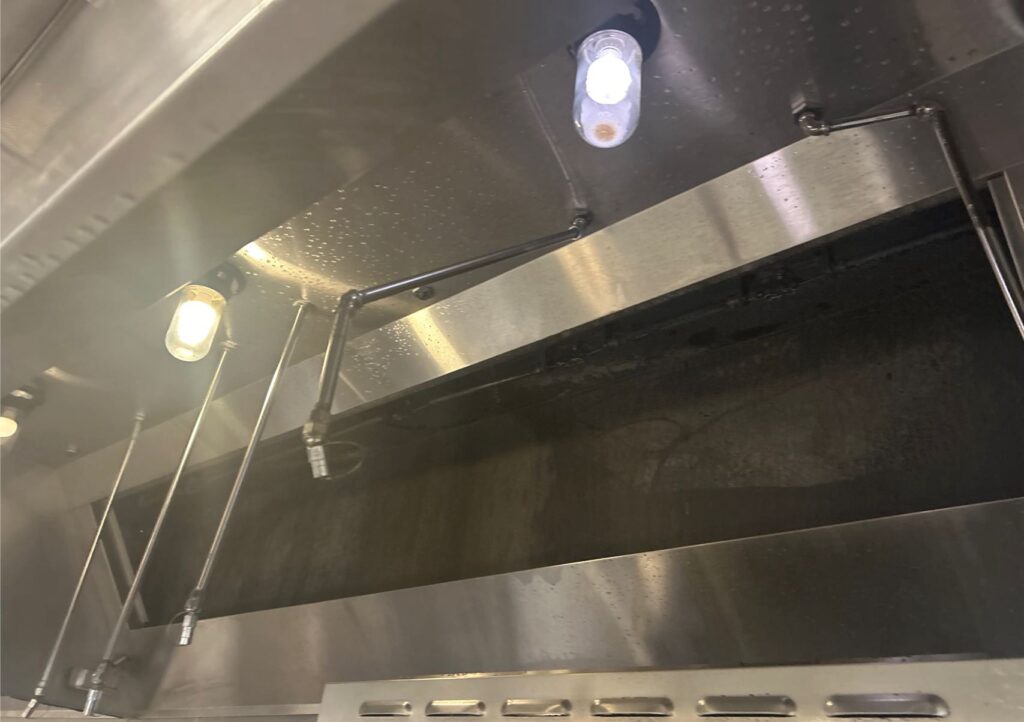
Article Summary The Maintenance Task That Atlanta Restaurants Consistently Miss Walk through any busy commercial kitchen in Atlanta during service and the visible maintenance is almost always getting done. The line is clean. Equipment surfaces are wiped between uses. The floor mats are in place. The walk-in is organized. The health inspection score is posted prominently. These are the maintenance tasks that are visible, that get checked daily, that have clear feedback loops when they’re neglected. A dirty line gets noticed immediately. A spill on the floor is obvious. Equipment that isn’t wiped down is apparent at a glance. The consequences of neglecting these tasks are immediate and visible, which is why they get done. Hood cleaning in Atlanta is the inverse of all of these. The exhaust system accumulates grease in places nobody looks during normal service. The duct interior is behind access panels in ceiling spaces. The exhaust fan is on the rooftop. The plenum chamber is behind the baffle filters. The consequences of neglecting these components build gradually, invisibly, over weeks and months, until they reach a threshold where they produce a result that’s impossible to ignore: a failed fire inspection, a forced closure, a kitchen fire, or an exhaust fan failure during a busy service. That combination of invisibility and gradual consequence is exactly what makes hood cleaning in Atlanta the most consistently overlooked maintenance task in the city’s commercial kitchens. And it’s why the cost of neglecting it is so disproportionately high relative to the cost of managing it properly. Why Hood Cleaning Gets Overlooked: The Root Causes Before getting into the consequences of neglect and the solution, it’s worth being specific about why this particular maintenance task falls through the cracks so reliably. The reasons are predictable, and identifying them makes it possible to design a maintenance approach that addresses each one. The System Is Invisible During Normal Operations The most fundamental reason hood cleaning gets overlooked is that the exhaust system components that accumulate the most consequential grease are physically invisible during normal kitchen operations. Nobody is walking past the duct interior during a dinner service. The exhaust fan on the rooftop is never seen by anyone in the kitchen. The plenum chamber behind the baffle filters is not a surface that gets checked between services. The parts of the exhaust system that kitchen staff do see regularly, including the underside of the hood canopy and the face of the baffle filters, are the parts that accumulate grease more visibly. These are also the parts that kitchen staff sometimes clean between professional service visits, which creates a false impression that the system is being maintained when in fact the cleaning is reaching only a fraction of the components that matter. A kitchen manager who looks at the hood and sees a surface that’s been recently wiped down may conclude that the exhaust system is in reasonable condition. The duct interior behind the access panels in the ceiling space may contain months of hardened grease accumulation that the surface wipe-down has done nothing to address. The Consequences Are Gradual and Non-Linear Grease accumulation in an exhaust system doesn’t produce a clear warning signal at the point where it crosses from acceptable to problematic. It builds continuously from the first cooking service after a cleaning, accumulating layer by layer in a process that produces no single moment where the problem becomes obvious. The consequences of this accumulation, including increased fire risk, reduced airflow performance, progressive fan imbalance, and deepening compliance exposure, develop in proportion to the accumulation rather than as sudden events. A kitchen that hasn’t been cleaned in four months is in a worse position than one that hasn’t been cleaned in two months, but the difference may not be immediately apparent from inside the kitchen during a normal service. This gradual, non-linear consequence pattern means that operators often have no clear signal that they’ve crossed into problematic territory until an inspection or an emergency makes it undeniable. By the time the signal arrives, the accumulation has typically reached a level where correction is more complex, more expensive, and more disruptive than it would have been with consistent preventive maintenance. The Cleaning Happens Outside Normal Service Hours Professional hood cleaning in Atlanta is almost always scheduled outside of service hours, after closing or on a day when the kitchen is closed. This means the cleaning occupies a time slot that competes with every other demand on the restaurant operator’s after-hours attention, which are often substantial. When the cleaning is scheduled for 11 PM, and the last service ran long, when the kitchen team is short-staffed, and the manager has to cover the line, when a vendor issue needs to be resolved before the next day’s delivery, the hood cleaning that was supposed to happen tonight becomes the hood cleaning that gets rescheduled for next week. And then next week has its own complications. And the interval between cleanings extends past the required frequency without anyone making an explicit decision to defer it. This scheduling vulnerability is one of the most common paths by which Atlanta restaurants end up with overdue hood cleaning. Not deliberate neglect, but accumulated deferrals that each seemed reasonable in the moment. The Service Is Out of Sight During Execution Even when hood cleaning does happen, the fact that most of the work is done in areas the operator doesn’t see during normal service makes it difficult to evaluate whether the service covered what it should have. A cleaning crew that spends two hours in the kitchen and leaves a service sticker on the hood has produced a result that looks legitimate from the kitchen floor. Whether they accessed the duct interior through the access panels and cleaned the exhaust fan on the rooftop is invisible to an operator who doesn’t specifically know to ask and verify. This lack of visibility during execution is part of why incomplete hood cleaning services persist in the Atlanta market. The operator can’t easily