
Efficient Used Cooking Oil Recycling in Northwest Atlanta: Serving Riverside, Bolton, and the Upper Westside
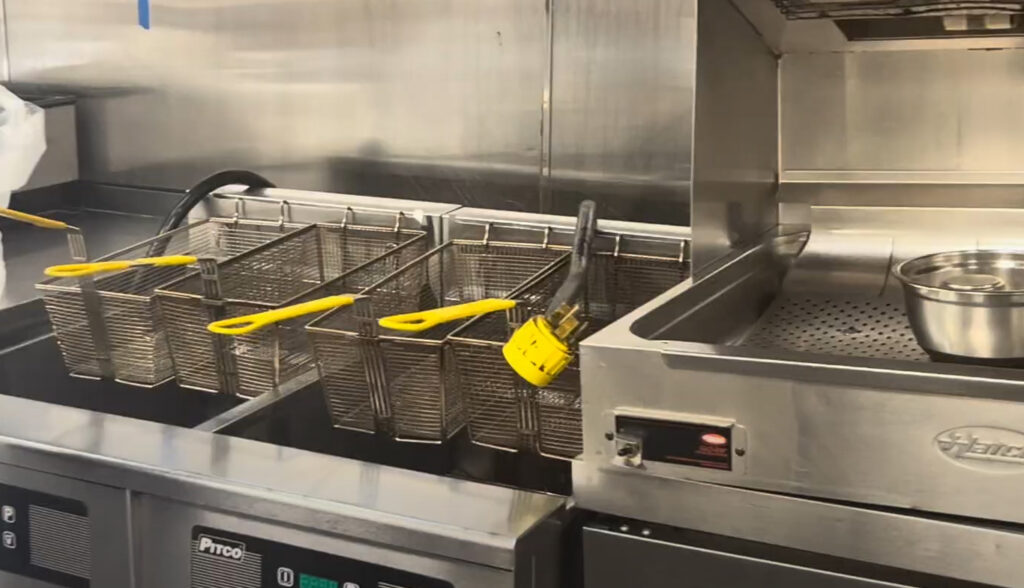
For commercial kitchens operating along the Bolton Road corridor and throughout the historic Riverside community, managing kitchen waste is a daily operational challenge. As Northwest Atlanta continues to grow, attracting more diners to the Upper Westside and Marietta Boulevard industrial districts, the volume of used cooking oil (UCO) generated by local fryers increases. Premier Grease provides professional used cooking oil recycling services designed to keep your kitchen compliant, clean, and environmentally responsible. Founded in the early 2000s with a mission to help restaurant owners avoid costly grease waste issues, we are your local partner in maintaining a safe commercial kitchen environment right here near the Chattahoochee River. Why Riverside and Bolton Businesses Need Professional Oil Recycling The area surrounding Spink-Collins Park and Whittier Mill Village is unique. It sits at the intersection of heavy industry and revitalized residential neighborhoods, all bordering the sensitive ecosystem of the Chattahoochee. For restaurant owners in this specific part of Atlanta, responsible grease management is not just about avoiding fines; it is about protecting the local infrastructure. Searching for a “local used cooking oil recycling company” often yields generic results. However, Premier Grease understands the specific logistics of Northwest Atlanta. Whether you are running a fast-casual spot near Moores Mill Road or a busy diner on Hollywood Road NW, our team offers dependable, professional service. Protecting the Local Watershed One of the most critical reasons to choose a certified recycler in this area is proximity to the water. Improper disposal of cooking oil can lead to significant environmental damage. At Premier Grease, our used cooking oil recycling program helps our clients reduce their environmental impact. Instead of letting used cooking oil go to waste or risking it entering the local water table, we collect it and process it into biofuel. This provides an eco-friendly solution that turns a potential pollutant into a renewable energy source. The Premier Grease Recycling Process We understand that every commercial kitchen has its own unique challenges, and our solutions are tailored to meet those needs. Our process is designed to be seamless, ensuring that your staff can focus on food preparation rather than waste management. 1. Reliable Collection We offer a complete suite of services that address every aspect of grease management. For used oil, this means providing durable collection bins and establishing a pickup schedule that matches your volume. Our goal is to be your one-stop solution for kitchen maintenance, saving you time and hassle. 2. Turning Waste into Resource Our service helps the environment but also offers a cost-effective way to manage your used oil. By partnering with Premier Grease, businesses in Bolton and Hills Park contribute to the green economy. We prioritize sustainability, ensuring that the oil we collect is recycled into biofuel. 3. Compliance and Safety Atlanta’s health and safety regulations are strict regarding FOG (Fats, Oils, and Grease). Neglect can lead to violations. Our technicians are highly trained and ensure that they stay updated on the latest safety standards so your kitchen remains in compliance with local regulations. We ensure that kitchens remain safe, compliant with regulations, and free of hazardous grease buildup. “Used Cooking Oil Recycling Near Me”: Why Local Matters When you search for “used cooking oil recycling near me in Atlanta,” you want a provider who can respond quickly to your needs. Because Premier Grease started as a local operation in Atlanta, we have deep roots in these neighborhoods. We continue to serve restaurants and foodservice businesses throughout the greater Atlanta area. Our presence in the market allows us to be reliable and responsive; we know that downtime can be costly, which is why we are always available to provide services when you need them most. Serving the Commercial Corridors of NW Atlanta Our trucks are frequently servicing businesses along: Beyond Oil: A Complete Kitchen Solution While managing fryer oil is critical, it is often just one part of the puzzle. The same high-volume cooking that fills your oil bins also clogs your grease traps and coats your exhaust hoods. Premier Grease specializes in a trio of essential services: grease trap pumping, hood cleaning, and used cooking oil recycling services. Grease Trap Cleaning in Bolton Restaurants in the Riverside area rely on functional plumbing. We offer regular grease trap cleaning to prevent blockages and ensure your system operates efficiently. Our high-powered vacuums thoroughly clean out grease traps, minimizing the risk of backups and costly downtime. Hood Cleaning Services To fully protect your facility, we also provide thorough hood cleaning services that remove grease buildup, improving air quality and reducing fire hazards. We invest in the latest technology, from specialized equipment for hood cleaning to high-powered tools, ensuring top-notch results. Partner with Premier Grease Today If your business is located near Spink-Collins Park, Riverside Park, or anywhere in the 30318 zip code, you need a partner who understands the importance of reliability. At Premier Grease, we believe that our clients are our partners. We prioritize open communication, transparency, and reliability in every aspect of our service. Don’t let used oil accumulation become a liability for your business. Choose the team with over two decades of experience in the industry. We are committed to providing our clients with the highest standard of service, ensuring that your kitchen remains safe, efficient, and compliant.Ready to streamline your kitchen waste management? Contact Premier Grease today to set up your used cooking oil recycling service in Northwest Atlanta. Trust us to get the job done right.
Why Restaurant Roofs Need Regular Grease Cleaning (And What Happens If You Don’t)
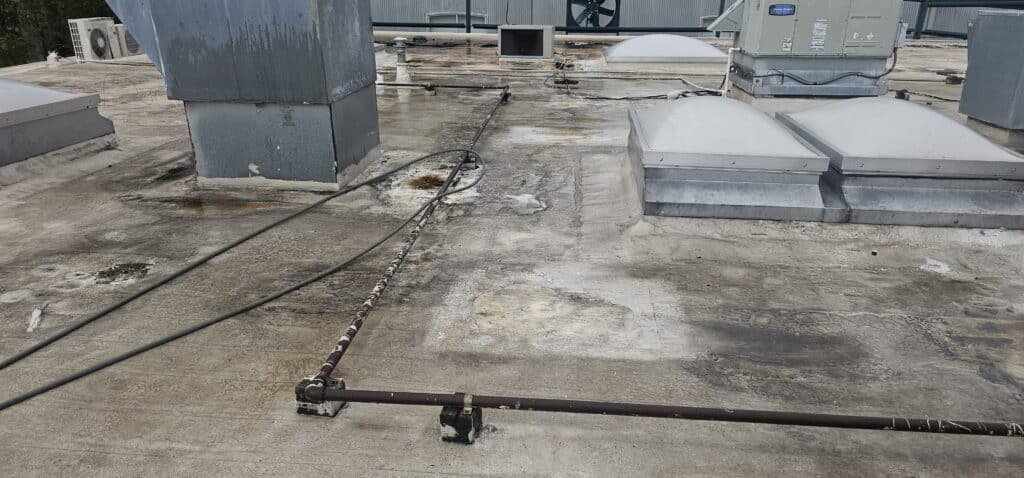
The roofer examining your Atlanta restaurant’s roof shakes his head in disbelief. “This membrane is completely destroyed,” he explains, pointing to large sections where the waterproof barrier has disintegrated. “See these grease stains? That’s what caused this. You’re looking at a $45,000 roof replacement, and your warranty won’t cover it.” You had no idea that grease from your kitchen exhaust system was even reaching the roof, let alone causing catastrophic damage. Now you’re facing an enormous unexpected expense that could have been prevented with routine roof cleaning costing a few hundred dollars quarterly. This scenario plays out regularly across commercial kitchens in Atlanta, Savannah, and Jacksonville. Restaurant roofs face unique challenges that most owners don’t understand until serious damage has already occurred. How Grease Reaches Your Restaurant’s Roof The path from your fryers and griddles to your roof membrane happens through your exhaust system—and it’s more direct than you might think. The Exhaust System Journey: Cooking generates grease-laden vapors that rise naturally toward your hood system. While hood filters capture 70-85% of this grease, 15-30% passes through into your ductwork. Professional hood cleaning removes most accumulated grease from ducts, but complete removal is impossible. Your exhaust fan, typically mounted on the roof, pulls air through the entire system. As this grease-laden air exits the fan housing, it disperses onto the surrounding roof surface. Weather Effects: Rain doesn’t wash grease away—it spreads it. Water carries grease across larger roof areas, increasing the affected surface. During storms, grease mixes with rainwater and flows toward roof drains, potentially clogging them and creating standing water problems. Jacksonville’s frequent afternoon thunderstorms compound this issue. The cycle of grease deposition followed by rain-driven spreading accelerates roof contamination in coastal markets. Temperature Cycles: Atlanta summers see roof surface temperatures exceeding 160°F. This heat liquefies grease, allowing it to penetrate deeper into roofing materials. When temperatures drop at night, grease solidifies within the membrane structure. Savannah’s humidity adds another factor. Moisture trapped beneath grease layers creates ideal conditions for organic growth and accelerated material degradation. Types of Roofing Materials and Their Vulnerabilities Different roofing systems respond differently to grease exposure, but all suffer damage without proper cleaning. TPO (Thermoplastic Polyolefin) Roofing Common Commercial Application: TPO represents one of the most popular commercial roofing materials. Its white reflective surface reduces cooling costs, and the heat-welded seams create watertight barriers—until grease attacks the material. Grease Damage Mechanism: Grease acts as a solvent on TPO membranes, breaking down the plasticizers that keep the material flexible. This causes the membrane to become brittle and crack. The white surface also discolors, losing its reflective properties and increasing cooling costs. Roof-mounted exhaust fans surrounded by grease staining indicate active TPO deterioration. What appears as simple discoloration represents chemical changes weakening the membrane structure. Typical Lifespan Impact: TPO roofs normally last 15-20 years. Grease contamination can reduce this to 8-12 years or less. The savings from skipping roof cleaning evaporate when you need full roof replacement seven years early. EPDM (Rubber) Roofing Material Characteristics: EPDM rubber roofing offers excellent durability and weather resistance under normal conditions. The material remains flexible across wide temperature ranges and resists UV damage well. Grease Vulnerability: Cooking grease degrades rubber compounds. The oils penetrate the EPDM material, causing swelling initially, then eventual hardening and cracking as volatile components evaporate. Seams are particularly vulnerable. Grease compromises the adhesives and tapes used to join EPDM sections, leading to leaks at seam locations even when the main membrane appears intact. Atlanta Climate Factors: Atlanta’s temperature extremes—from below freezing in winter to 95°F+ in summer—accelerate grease damage to EPDM. The material expands and contracts naturally, and grease contamination makes it brittle, causing cracks to form during these cycles. Modified Bitumen Roofing Construction Details: Modified bitumen roofs consist of asphalt-based materials reinforced with polymers for added strength. They’re common on older commercial buildings and can be applied with heat (torch-down) or cold adhesives. Grease Interaction: You might think asphalt-based roofing would resist grease damage since both are petroleum products. Actually, the opposite occurs—grease acts as a solvent, softening the bitumen and causing it to degrade faster. The granular surface common on modified bitumen roofs traps grease particularly effectively. Once embedded, the grease is nearly impossible to remove and continues damaging the underlying material. Savannah Historic Building Concerns: Many of Savannah’s historic commercial buildings use modified bitumen roofing. These structures have limited options for roof replacement due to preservation requirements, making preventive grease cleaning particularly important. Built-Up Roofing (BUR) Traditional System: Built-up roofs feature multiple layers of roofing felt with asphalt between layers, topped with gravel or a cap sheet. This “tar and gravel” system was standard for decades on commercial buildings. Grease Accumulation: The gravel surface on BUR roofs creates countless pockets where grease accumulates and concentrates. Rain doesn’t rinse these areas clean—it moves grease around but leaves substantial residue. Grease attacks the asphalt layers, causing premature failure. Jacksonville’s coastal environment accelerates this process as salt air compounds the chemical attack on roofing materials. Drainage Issues: Grease-contaminated gravel on BUR roofs can cement together, creating impermeable areas that disrupt water drainage. This leads to ponding water that further damages the roof system. Specific Damage Caused by Grease Accumulation Understanding the damage mechanisms helps explain why prevention is so much cheaper than repair. Membrane Deterioration Chemical Breakdown: Restaurant grease contains fatty acids, free radicals, and other compounds that chemically attack roofing membranes. This isn’t just surface dirt—it’s active chemical degradation of the material at a molecular level. The process accelerates in sunlight. UV radiation combines with grease contamination to break down polymer chains in synthetic roofing materials, causing them to lose strength and flexibility. Visible and Hidden Damage: Surface discoloration is obvious—dark stains around exhaust fans spreading across white TPO roofs. Less obvious is the internal damage where grease has penetrated the membrane, weakening it throughout its thickness. By the time visible damage appears, significant hidden deterioration has already occurred. This is why regular cleaning matters—it prevents damage before it becomes obvious and expensive. Waterproofing
Commercial Used Cooking Oil Recycling in Southeast Atlanta: Serving Constitution, Gresham Park, and the Moreland Corridor
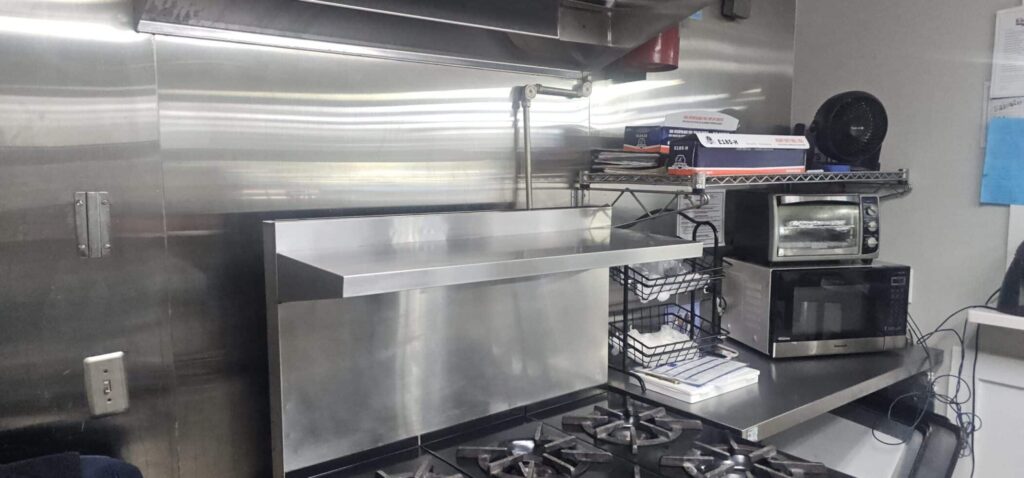
In the heavy industrial and commercial districts of Southeast Atlanta, specifically the Constitution area and the busy Moreland Avenue corridor, commercial kitchens face high-volume demands. From the iconic drive-ins and diners near Starlight Drive-In to the food manufacturing and logistics hubs along Constitution Road, managing waste efficiently is critical to keeping the local economy moving. Premier Grease provides comprehensive used cooking oil recycling Atlanta businesses trust. Founded in the early 2000s as a local operation, we have grown to become a leader in the industry, dedicated to ensuring that the restaurants and facilities in DeKalb County operate safely, sustainably, and in full compliance with environmental regulations. The Importance of Responsible Oil Disposal in Southeast Atlanta The area defined by the 30316 and 30354 zip codes sits at a crucial environmental intersection. Businesses here operate near Intrenchment Creek and the South River, vital waterways that have historically faced pollution challenges. For restaurant owners and facility managers in Constitution and Gresham Park, improper grease disposal isn’t just a business risk—it’s a threat to the local ecosystem. Premier Grease is committed to sustainability. We understand that pouring grease down the drain or allowing bins to overflow can lead to severe environmental violations. Our used cooking oil recycling program ensures that your kitchen’s waste is diverted from landfills and waterways, protecting the natural beauty of the South River Trail and surrounding green spaces. Transforming Waste into Renewable Energy We don’t just collect your oil; we give it a second life. Instead of letting used cooking oil go to waste, we collect it and process it into biofuel. This process transforms a messy byproduct into a clean-burning fuel source that powers fleets and reduces reliance on fossil fuels. This service not only helps the environment but also offers a cost-effective way to manage your used oil. Serving the Industrial and Commercial Hubs of Constitution When you search for “used cooking oil recycling near me” in Southeast Atlanta, logistics matter. You need a partner who knows the truck routes along Moreland Ave SE and Fayetteville Road. Our team is deeply familiar with the unique needs of this district. Optimized for High-Volume Kitchens The Constitution district is home to major industrial parks and logistics centers, many of which have on-site cafeterias or food processing facilities. These operations generate grease at a scale different from a standard restaurant. Premier Grease specializes in these high-demand environments. Used Cooking Oil Recycling Atlanta: Compliance & Safety Operating a business in DeKalb County or near the City of Atlanta limits requires strict adherence to FOG (Fats, Oils, and Grease) ordinances. Inspectors look closely at how you manage your fryer waste. Premier Grease ensures your kitchen remains compliant with local and federal regulations. Why Local Businesses Choose Premier Grease We are not a faceless national chain. Premier Grease was founded by Mark Bober and Doug with a simple goal: to help restaurant owners avoid the costly issues that grease waste can cause. We view our clients as partners and prioritize open communication, transparency, and reliability. A Full-Service Solution While we excel at oil recycling, we offer a complete suite of services that address every aspect of grease management. Schedule Your Pickup in Southeast Atlanta Today Whether you run a busy drive-thru near I-285, a soul food restaurant in Gresham Park, or an industrial cafeteria in Constitution, Premier Grease has the expertise to handle your used cooking oil. Join the network of responsible business owners who choose Premier Grease for their used cooking oil recycling Atlanta needs. We are dedicated to exceeding your expectations and ensuring that your kitchen remains safe, efficient, and compliant. Contact us today to set up a reliable, eco-friendly recycling plan tailored to your business.
Hood Filter Replacement Schedule: How Often Should Restaurants Change Baffle Filters?
The fire marshal walks into your Atlanta restaurant during the dinner rush. After a quick inspection of your kitchen hood system, he points to your grease-caked baffle filters and writes a violation notice. Your filters haven’t been changed in three months, and the buildup poses a serious fire hazard. This scenario happens more often than most restaurant owners realize. Hood filters are the first line of defense against grease fires, yet they’re among the most neglected components in commercial kitchens across Atlanta, Savannah, and Jacksonville. Understanding Baffle Filters and Their Function Baffle filters sit inside your commercial kitchen hood system, positioned directly above cooking equipment. These multi-layered metal filters use a series of baffles or directional changes to capture grease particles from cooking exhaust before they enter your ductwork. How Baffle Filters Work: Hot air and grease-laden vapors rise from cooking surfaces and flow through the baffle filter’s channels. As air changes direction through the baffles, grease particles—which are heavier than air—lose momentum and condense on the metal surfaces. Clean air continues through the ductwork while grease remains trapped in the filter. Filter Construction: Professional-grade baffle filters feature stainless steel construction with precisely angled baffles that maximize grease capture. Quality filters include drain channels that direct captured grease into collection cups, preventing re-entrainment into the exhaust stream. Why Filters Matter: Without functional filters, grease accumulates throughout your entire exhaust system—ductwork, fans, and roof-mounted equipment. This creates fire hazards, reduces system efficiency, and leads to expensive cleaning and repair costs. Recommended Replacement and Cleaning Schedules The frequency of filter maintenance depends on your cooking volume, food type, and kitchen operations. Most commercial kitchens need more frequent service than their owners realize. High-Volume Operations Weekly Replacement or Cleaning: Fast food restaurants, high-volume diners, and establishments with continuous fryer use require weekly filter service. These kitchens generate massive grease quantities that quickly saturate filters and reduce effectiveness. Atlanta sports bars serving wings and fried appetizers during football season might need twice-weekly service during peak months. The combination of heavy frying and extended operating hours accelerates grease accumulation beyond normal rates. Standard Full-Service Restaurants Bi-Weekly to Monthly Service: Traditional restaurants with moderate cooking volumes typically maintain adequate fire safety and system performance with bi-weekly or monthly filter service. This schedule works for establishments serving lunch and dinner with varied menus including grilled, sautéed, and fried items. Savannah’s historic district restaurants often fall into this category. These establishments balance tourist traffic with local dining, creating consistent but manageable grease production that bi-weekly service handles effectively. Limited Cooking Operations Monthly to Quarterly Service: Cafes, bakeries, coffee shops, and establishments with minimal frying can often extend service intervals to monthly or even quarterly replacement. These operations produce less grease vapor and don’t require the intensive maintenance of full-production kitchens. However, even limited cooking operations must monitor filter condition. A Jacksonville breakfast cafe focusing on eggs and pancakes might need only monthly service, but adding chicken-fried steak to the menu would require schedule adjustments. Specialized Cooking Methods Custom Schedules: Restaurants specializing in specific cooking methods need tailored filter schedules. Barbecue joints with wood-fired smokers accumulate soot and creosote alongside grease, requiring more frequent cleaning. Asian restaurants with high-heat wok cooking generate intense grease vapor requiring robust filtration and frequent service. Filter Exchange vs. On-Site Cleaning Commercial kitchens have two options for filter maintenance: on-site cleaning or professional filter exchange service. Each approach offers distinct advantages. Filter Exchange Service Benefits Immediate Replacement: Exchange services provide clean filters instantly. Technicians arrive with sanitized, ready-to-install filters and swap them for your dirty ones. Your kitchen experiences zero downtime waiting for filters to be cleaned and dried. Professional Cleaning Standards: Filters removed from your kitchen undergo industrial cleaning in specialized equipment. High-temperature, high-pressure washers with commercial degreasers remove 100% of accumulated grease—far more effective than manual scrubbing in your dish room. Consistent Filter Condition: Exchange programs rotate filters through professional cleaning cycles, extending filter lifespan and maintaining consistent performance. You always receive filters in like-new condition rather than progressively degraded filters cleaned repeatedly in your kitchen. Labor Savings: Staff time spent scrubbing filters costs money. A cook earning $15 per hour who spends two hours cleaning filters costs $30 in labor alone. Exchange service eliminates this expense while delivering superior results. Compliance Documentation: Professional exchange services provide documentation of filter changes, creating records that satisfy health department and fire marshal inspection requirements. This paperwork proves your commitment to fire safety and regulatory compliance. On-Site Cleaning Considerations Some restaurants prefer handling filter cleaning internally. This approach works for operations with adequate staff, proper cleaning facilities, and management commitment to consistent maintenance. Daily or Shift Cleaning: Filters must be removed, soaked in degreaser, scrubbed thoroughly, rinsed completely, and dried before reinstallation. This process takes 1-2 hours and requires proper safety equipment since commercial degreasers are caustic. Limitations of Manual Cleaning: Even diligent manual cleaning can’t match professional equipment. Grease penetrates filter baffles and accumulates in channels that hand scrubbing can’t reach. Over time, manually cleaned filters lose effectiveness and require replacement. Safety Considerations: Hot degreaser solutions, slippery surfaces, and heavy, wet filters create safety hazards. Workers have suffered burns, cuts, and back injuries during filter cleaning. Professional services eliminate these risks from your workplace. Signs Your Filters Need Immediate Replacement Between scheduled services, monitor your filters for these warning indicators: Visible Grease Dripping: Filters dripping grease even when cold have exceeded capacity. The grease layer is so thick that gravity pulls it through the baffles. This represents an extreme fire hazard requiring immediate replacement. Heavy Grease Coating: When baffle channels are filled with solidified grease to the point that metal surfaces are no longer visible, the filter has lost effectiveness. Grease-laden air now bypasses the saturated filter and enters your ductwork. Reduced Airflow: Clogged filters restrict airflow through your hood system. You might notice smoke lingering in the kitchen or grease vapor escaping around the hood edges rather than being captured. Kitchen temperatures might also increase due to reduced exhaust effectiveness. Filter Damage:
Hood Cleaning Regulations for Atlanta Restaurants: What You Need to Know
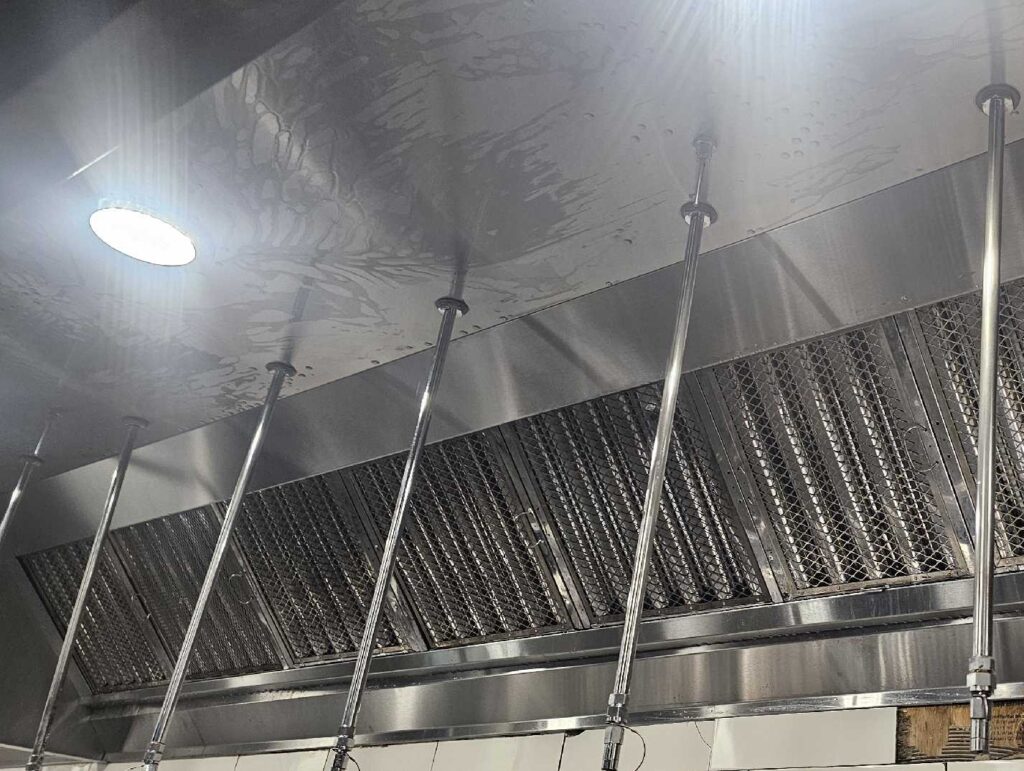
Understanding Georgia and Atlanta Hood Cleaning Laws Restaurant owners in Atlanta face multiple layers of regulations governing kitchen exhaust system maintenance. Federal standards, Georgia state requirements, and local county ordinances all apply to commercial kitchen operations. Compliance with these regulations protects your business from fines, closures, and liability while keeping staff and customers safe. This guide breaks down every regulation affecting Atlanta restaurants, explaining what you must do, when you must do it, and how to maintain proper documentation. NFPA 96: The Foundation of Hood Cleaning Regulations The National Fire Protection Association Standard 96 serves as the baseline for all hood cleaning regulations in Atlanta and throughout the United States. Fire marshals, health inspectors, and insurance companies reference NFPA 96 when evaluating commercial kitchen exhaust systems. NFPA 96 Cleaning Frequency Requirements NFPA 96 Chapter 11 establishes mandatory cleaning schedules based on cooking volume and food type: What NFPA 96 Requires Be Cleaned Complete exhaust system cleaning must include: Partial cleaning or spot cleaning does not meet NFPA 96 standards. The entire system, from cooking surface to rooftop exhaust point, requires thorough cleaning. NFPA 96 Documentation Requirements NFPA 96 Section 11.6 requires restaurants to maintain permanent records of all cleaning services, including: Records must remain accessible for inspection by fire marshals and health department officials. Many Atlanta restaurants maintain both physical files and digital records for easy retrieval. Georgia State Fire Marshal Requirements The Georgia State Fire Marshal’s office enforces fire safety regulations statewide, including commercial kitchen exhaust system standards. Georgia adopted NFPA 96 by reference in the Georgia State Minimum Fire Safety Standards. Georgia Fire Code Compliance Georgia Fire Code Section 609 addresses commercial cooking operations and requires: Fire marshals conduct unannounced inspections of commercial kitchens. Violations result in citations requiring immediate correction before the restaurant can continue operating. Fire Suppression System Inspections Georgia law requires semi-annual inspection of kitchen fire suppression systems by certified technicians. These inspections often coincide with hood cleaning services, and fire suppression companies frequently identify grease accumulation requiring professional cleaning. Fire suppression system inspection reports become part of your compliance documentation and may be requested during health inspections or insurance reviews. Fulton County Health Department Regulations Fulton County Department of Health and Wellness regulates food service establishments throughout Atlanta’s largest county. Their regulations address both food safety and fire safety aspects of kitchen exhaust systems. Fulton County Food Service Rules Chapter 511-6-1 The Fulton County Board of Health adopted Georgia Department of Public Health Rules Chapter 511-6-1, which incorporates federal FDA Food Code standards. These rules require: Adequate ventilation systems – All cooking equipment must have properly functioning exhaust ventilation Clean and sanitary facilities – Grease accumulation on hood surfaces constitutes a sanitation violation Equipment maintenance – Exhaust systems must be maintained in good repair and clean condition Pest prevention – Grease buildup, attracting pests, violates sanitation standards Health inspectors evaluate exhaust system cleanliness during routine inspections. Visible grease accumulation results in deductions from inspection scores and may require re-inspection after cleaning. Fulton County Inspection Frequency Fulton County conducts unannounced inspections of food service establishments: Restaurants cannot refuse inspection, and health inspectors have the authority to enter during business hours without advance notice. Fulton County Violation Classifications Fulton County health inspections classify violations into three categories: Priority violations – Items that pose immediate health hazards requiring correction within 24-48 hours Priority foundation violations – Items supporting priority requirements, requiring correction within 10 days Core violations – General sanitation items requiring correction but not immediate health threats Excessive grease accumulation typically falls under priority foundation violations when affecting sanitation, or priority violations when creating fire hazards. DeKalb County Health Department Regulations DeKalb County Board of Health regulates restaurants in areas of Atlanta east of Fulton County, including Decatur, Tucker, and Brookhaven. DeKalb County Food Service Requirements DeKalb County enforces Georgia Department of Public Health regulations with additional local requirements: DeKalb County health inspectors collaborate with local fire marshals, and fire safety violations identified during health inspections may trigger separate fire marshal inspections. DeKalb County Inspection Protocol DeKalb County conducts risk-based inspections: Restaurants with consistently high inspection scores may receive fewer inspections, while establishments with repeated violations face increased inspection frequency. City of Atlanta Fire Department Requirements The Atlanta Fire Rescue Department enforces fire safety regulations within Atlanta city limits. Fire inspectors conduct regular inspections of commercial properties, including restaurants. Atlanta Fire Code Chapter 6 Atlanta adopted the International Fire Code with Georgia amendments. Chapter 6 addresses commercial cooking operations and requires: Atlanta Fire Department inspectors issue citations for non-compliance, and continued violations can result in business closure orders. Fire Marshal Inspection Process Atlanta Fire Marshal inspections evaluate: Fire marshals photograph violations and provide detailed correction requirements with specific deadlines. Insurance Company Requirements Commercial restaurant insurance policies in Georgia include specific maintenance requirements for coverage validity. Insurance adjusters investigate maintenance history after claims, and inadequate documentation can result in denied claims. Standard Insurance Policy Provisions Most commercial restaurant policies require: NFPA 96 compliance – Regular cleaning according to NFPA 96 frequency standards Certified service providers – Cleaning must be performed by qualified, insured companies Documentation maintenance – Records of all cleaning services must be preserved Fire suppression inspections – Semi-annual inspections by certified technicians Immediate correction of violations – Fire marshal or health department citations must be addressed promptly Insurance companies consider failure to maintain proper records as policy violations, potentially voiding coverage even for unrelated claims. Insurance Inspection Requirements Many insurance carriers conduct their own inspections of commercial kitchens before issuing or renewing policies. Insurance inspectors evaluate: Restaurants with incomplete maintenance records may face coverage denial or substantially higher premiums. Certification Requirements for Hood Cleaning Companies Georgia does not require state licensing for hood cleaning companies, but professional certifications demonstrate competency and knowledge of regulations. IKECA and CIKECI Certifications The International Kitchen Exhaust Cleaning Association (IKECA) provides industry certification for companies and technicians: Company Certification – Demonstrates company-wide commitment to NFPA 96 standards and professional practices Technician Certification – Individual technicians must pass examinations covering
The Importance of Regular Hood Cleaning for Atlanta Restaurants
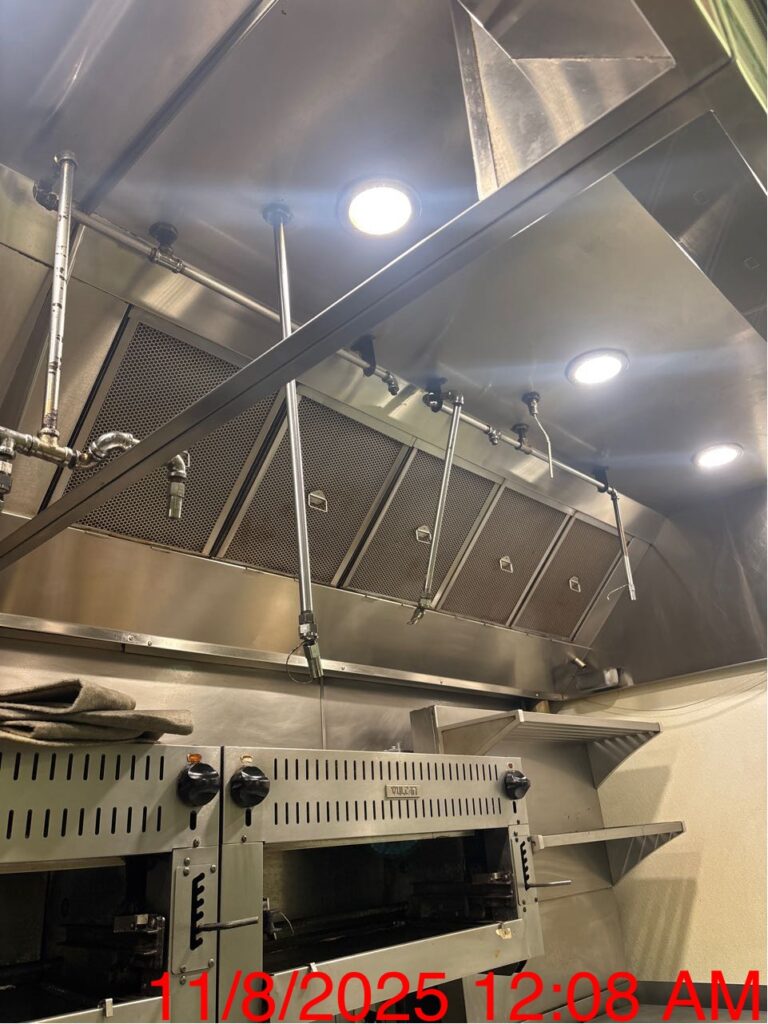
Why Atlanta Restaurant Owners Need Professional Hood Cleaning Services Restaurant kitchen exhaust systems accumulate grease rapidly in Atlanta’s busy food service industry. Without regular professional cleaning, this buildup creates serious fire hazards, health code violations, and expensive equipment failures. Understanding the risks and requirements helps restaurant owners protect their businesses and customers. Fire Safety Risks in Commercial Kitchens Grease fires rank among the most dangerous incidents in restaurant operations. The National Fire Protection Association (NFPA) reports that cooking equipment causes 61% of restaurant fires, with failure to clean being the leading factor in commercial cooking fire incidents. Atlanta restaurants face particular vulnerability due to high-volume operations and year-round cooking demands. Grease deposits inside exhaust hoods, ducts, and fans ignite easily when exposed to high temperatures. A single spark can trigger a devastating fire that spreads through the entire ventilation system within seconds. Regular professional hood cleaning removes these combustible deposits before they become dangerous. Fire marshals and insurance companies recognize properly maintained exhaust systems as the primary defense against kitchen fires. Atlanta Health Department Requirements Fulton County and DeKalb County health departments enforce strict regulations for commercial kitchen exhaust systems. Health inspectors check for grease accumulation during routine inspections, and violations can result in: The Georgia Department of Public Health requires documentation of all hood cleaning services. Restaurants must maintain detailed records showing: Atlanta restaurant owners who schedule regular hood cleaning avoid these compliance issues and pass health inspections confidently. NFPA 96 Standards for Exhaust System Cleaning The National Fire Protection Association Standard 96 establishes cleaning frequency requirements based on cooking volume and food type: Atlanta fire inspectors reference NFPA 96 during inspections and can require more frequent cleaning based on visible grease accumulation. Insurance policies often mandate NFPA 96 compliance as a coverage condition. Insurance Policy Requirements Commercial restaurant insurance policies in Georgia typically require documented proof of regular hood cleaning. Insurance adjusters investigate maintenance records after fire claims, and inadequate cleaning history can lead to: Insurance companies recognize that restaurants with consistent cleaning schedules have significantly lower fire claim rates. Many insurers offer premium discounts for establishments that exceed minimum cleaning requirements. Air Quality and Kitchen Employee Health Clean exhaust systems protect kitchen staff from harmful airborne contaminants. Grease-laden air contains: Poor ventilation leads to employee complaints, decreased productivity, and potential workers’ compensation claims for respiratory conditions. The Occupational Safety and Health Administration (OSHA) investigates workplace air quality complaints and can cite restaurants for inadequate ventilation. Atlanta’s heat and humidity compound these problems, making efficient exhaust systems necessary for maintaining comfortable working conditions. Clean hoods remove heat and cooking vapors more effectively, keeping kitchen temperatures manageable. Equipment Performance and Energy Efficiency Grease buildup restricts airflow through exhaust systems, forcing fans to work harder and consume more electricity. Restaurants with dirty hoods experience: Professional cleaning restores designed airflow capacity and reduces operating costs. Many Atlanta restaurants notice immediate energy savings after thorough hood cleaning services. Pest Prevention and Sanitation Grease deposits attract cockroaches, flies, and rodents. These pests contaminate food preparation areas and spread disease. Atlanta’s warm climate creates year-round pest pressure, making sanitation particularly important. Accumulated grease on surfaces also harbors dangerous bacteria including: Health inspectors look for grease-related sanitation issues during inspections. Clean exhaust systems eliminate these breeding grounds and support overall kitchen hygiene. Professional Hood Cleaning Process Certified technicians follow a systematic cleaning process that includes: The entire process typically takes 2-4 hours depending on system size and grease accumulation levels. Choosing a Hood Cleaning Company in Atlanta Atlanta restaurant owners should verify that hood cleaning companies provide: Cost Considerations for Atlanta Restaurants Hood cleaning costs in Atlanta vary based on several factors: While regular hood cleaning requires investment, the cost comparison clearly favors prevention: Annual hood cleaning investment: Scheduled maintenance pricing varies by system complexity Potential costs without regular cleaning: Regular maintenance prevents these catastrophic expenses while protecting lives and livelihoods. Contact Premier Grease for a free consultation and accurate pricing based on your specific kitchen needs. Scheduling Hood Cleaning Services Most Atlanta restaurants schedule hood cleaning during off-hours to avoid business disruption: Service contracts guarantee priority scheduling and consistent maintenance. Many companies offer discounted rates for restaurants committing to regular quarterly or semi-annual service. Signs Your Restaurant Needs Immediate Cleaning Don’t wait for scheduled service if you notice: Emergency cleaning services restore compliance and prevent serious incidents. Atlanta Neighborhoods We Serve Premier Grease provides professional hood cleaning throughout the Atlanta metropolitan area, including: We also service restaurants throughout Fulton County, DeKalb County, Cobb County, and Gwinnett County. Benefits of Choosing Premier Grease for Hood Cleaning Our Atlanta-based team brings over 20 years of commercial kitchen maintenance experience. We understand local regulations, work with Atlanta health inspectors, and maintain relationships with fire marshals throughout the metropolitan area. Every technician holds current certifications and undergoes continuous training on the latest cleaning techniques and safety protocols. We use environmentally responsible cleaning products and properly dispose of all collected grease according to Georgia environmental regulations. Our service includes complete documentation for health inspections, insurance requirements, and fire marshal reviews. We provide certification stickers showing the next recommended service date and maintain digital records of all services performed. The Real Cost of Neglecting Hood Cleaning Several high-profile Atlanta restaurant fires have been traced directly to inadequate exhaust system maintenance. These incidents resulted in: Restaurant owners have a legal and moral responsibility to maintain safe working environments. Regular hood cleaning represents a small investment compared to the devastating consequences of neglect. Taking Action: Schedule Your Hood Cleaning Today Atlanta restaurant owners should review their last hood cleaning service date immediately. If more than 6 months have passed for standard-volume operations, or 3 months for high-volume kitchens, schedule service now. Contact Premier Grease to arrange a free consultation and inspection. Our team will assess your current exhaust system condition, recommend an appropriate cleaning schedule, and provide competitive pricing for ongoing maintenance. Protect your investment, your employees, and your customers by maintaining clean, safe kitchen exhaust systems. The few hours and
Hood Cleaning Atlanta: Fire Code Requirements for Restaurants
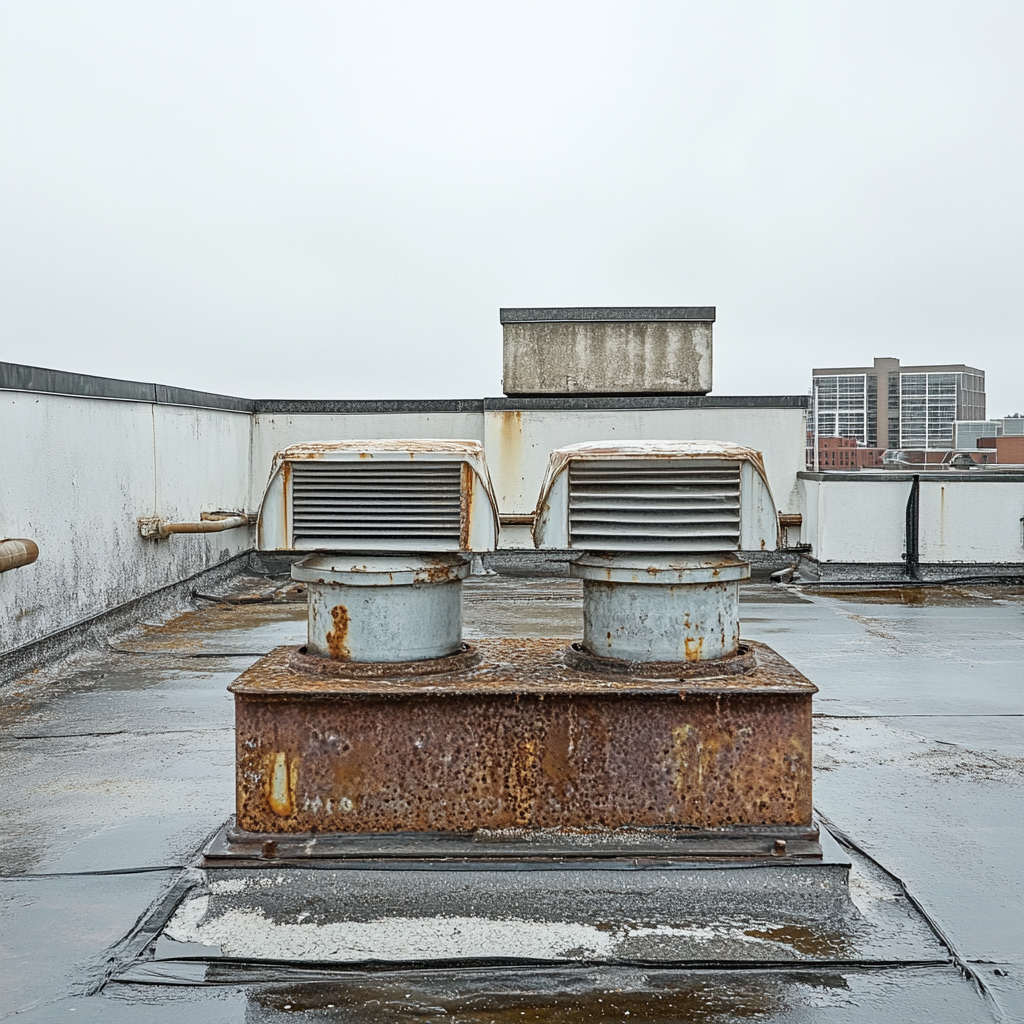
Did you know that, according to the National Fire Protection Association, nearly 60% of restaurant fires originate from cooking equipment, with grease buildup in exhaust systems being a primary fuel source? In Atlanta’s warm, humid climate, grease accumulates even faster than in cooler regions, creating heightened fire risks for local restaurants. Restaurant owners in Atlanta face strict fire code regulations when it comes to kitchen exhaust systems. Understanding these requirements isn’t just about avoiding fines—it’s about protecting your business, staff, and customers from potentially devastating fires. This comprehensive guide outlines the essential fire code requirements for hood cleaning in Atlanta restaurants and provides practical guidance for maintaining compliance while navigating the unique challenges of Atlanta’s restaurant scene. Understanding Atlanta’s NFPA 96 Compliance Requirements What is NFPA 96 and Why It Matters for Atlanta Restaurants The National Fire Protection Association’s Standard 96 (NFPA 96) provides the foundation for Atlanta’s commercial kitchen exhaust cleaning requirements. This standard establishes guidelines for the design, installation, operation, inspection, and maintenance of cooking equipment, hoods, grease removal devices, exhaust ducts, and all components of exhaust systems that help prevent restaurant fires. For Atlanta restaurant owners, understanding NFPA 96 is crucial because the Atlanta Fire Department strictly enforces these standards with some local modifications. These regulations weren’t created arbitrarily—they’re based on decades of fire safety research and incident analysis. The National Fire Protection Association’s standards establish comprehensive guidelines that every Atlanta restaurant should follow to maintain safe kitchen exhaust systems. Key Components of Atlanta’s Hood System Compliance The Atlanta Fire Department specifically requires attention to these critical components: “We see too many restaurant owners who think hood cleaning is just about wiping down visible surfaces,” says Captain Rodriguez of the Atlanta Fire Prevention Bureau. “What they don’t realize is that the hidden grease in ducts and fans poses the greatest fire danger, and that’s what our inspectors look for.” Documentation Requirements for Atlanta Restaurant Inspections Atlanta fire inspectors require specific documentation during their inspections: Proper documentation isn’t just paperwork—it’s your protection against liability and your proof of compliance during inspections. Atlanta Fire Code Requirements: What You Need to Know The Atlanta Fire Department enforces commercial kitchen exhaust cleaning requirements based on NFPA 96 standards with specific local amendments. These requirements aren’t merely suggestions—they’re mandatory regulations with serious consequences for non-compliance. Required Cleaning Frequency Atlanta regulations specify different cleaning schedules based on your restaurant’s cooking volume and methods: It’s important to note that Atlanta Fire Department inspectors may require more frequent cleaning based on actual grease accumulation observed during inspections. This means that even if you’re following the scheduled frequency, excessive grease buildup can still result in violations. Determining Your Restaurant’s Cleaning Schedule Category Several factors determine how frequently your Atlanta restaurant needs professional hood cleaning: Many Buckhead and Midtown restaurants with high-volume operations find that monthly cleaning is necessary to maintain compliance, while some smaller establishments in residential neighborhoods might maintain compliance with quarterly or semi-annual service. Factors That May Increase Required Cleaning Frequency Be aware that these circumstances may necessitate increasing your cleaning schedule: Comprehensive Cleaning Requirements Atlanta fire codes mandate: Enforcement and Penalties Atlanta fire inspectors conduct regular restaurant inspections with the authority to: One popular Midtown restaurant was forced to close for three days during peak tourist season after inspectors found dangerous levels of grease accumulation in their exhaust system. The closure cost them an estimated $20,000 in lost revenue, plus emergency cleaning fees. Common Hood System Compliance Violations in Atlanta Fire Marshal’s Top Cited Hood System Violations According to data from the Atlanta Fire Prevention Bureau, these are the most commonly cited violations related to hood systems: Hidden Issues That Often Lead to Failed Inspections Be aware of these less obvious compliance issues that frequently result in violations: Documentation and Record-Keeping Mistakes Avoid these common documentation errors that can lead to violations: Georgia Health Department Standards Beyond fire safety, the Georgia Department of Public Health maintains standards for kitchen exhaust systems that include: Health inspectors evaluate hood cleanliness during routine inspections and can deduct points for inadequate maintenance, potentially affecting your restaurant’s health score and public perception. In Georgia’s competitive restaurant market, a reduced health score can significantly impact customer confidence and revenue. Insurance Requirements and Liability Concerns Insurance providers for Atlanta restaurants typically have specific requirements regarding hood cleaning: Failure to maintain proper hood cleaning documentation can result in denied insurance claims after fires, premium increases, policy cancellation, and personal liability exposure. One restaurant owner in Virginia-Highland learned this lesson when their insurance company denied a $120,000 fire damage claim because they couldn’t produce documentation of regular hood cleaning as required in their policy. Real Consequences of Non-Compliance Consider these real situations faced by Atlanta restaurant owners: The Professional Hood Cleaning Process Pre-cleaning Assessment Professional hood cleaning begins with a thorough inspection and preparation: Cleaning Techniques and Equipment Professional hood cleaners use specialized equipment including: The cleaning process follows a systematic, top-down approach: Post-cleaning Documentation After cleaning, thorough documentation includes: Choosing a Certified Hood Cleaning Service in Atlanta Required Certifications for Hood Cleaning Services When selecting a hood cleaning provider in Atlanta, verify these essential qualifications: Always request physical copies of these credentials before scheduling service. Legitimate companies will readily provide this documentation. Finding detailed information about professional hood cleaning services can help restaurant owners make informed decisions about maintaining their kitchen exhaust systems. Questions to Ask Before Hiring a Cleaning Service Before selecting a hood cleaning service in Atlanta, ask these critical questions: Red Flags to Watch For When Evaluating Service Providers Be cautious of hood cleaning companies that: Local vs. National Service Providers in Atlanta Both local Atlanta companies and national service providers offer hood cleaning services, each with potential advantages: Local Atlanta Companies: National Service Providers: Many Atlanta restaurant owners prefer local companies for their responsiveness and understanding of specific neighborhood requirements across Buckhead, Midtown, Downtown, and other areas. Maintaining Compliance Between Professional Cleanings Daily and Weekly Maintenance Tasks Between professional cleanings, your staff should perform these maintenance
Hood Cleaning Services in Atlanta GA: Complete Guide for Restaurant Owners
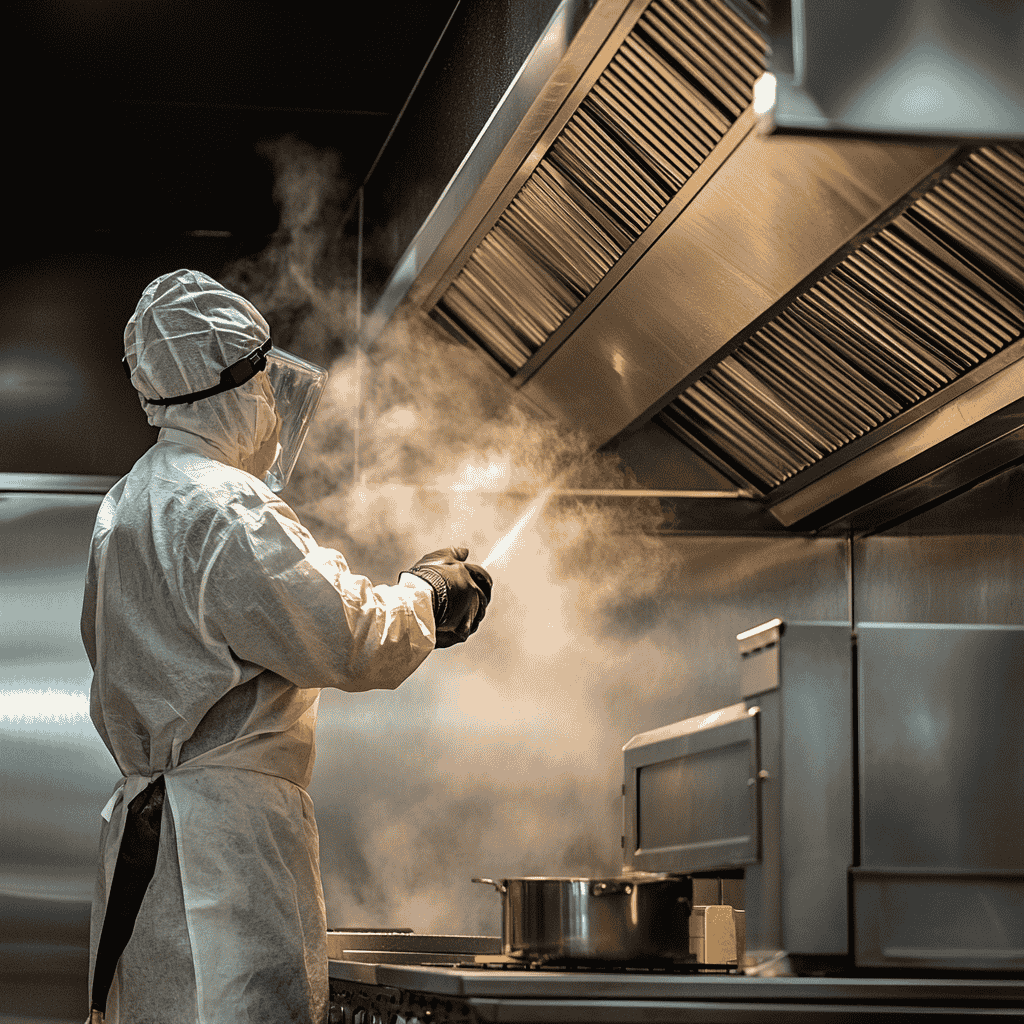
Looking for professional hood cleaning services in Atlanta GA? Restaurant owners across Atlanta neighborhoods like Buckhead, Midtown, and Downtown know that regular kitchen exhaust cleaning isn’t just about compliance—it’s about safety, efficiency, and business protection. Our Atlanta hood cleaning specialists deliver complete commercial kitchen exhaust system maintenance that meets all local fire codes and NFPA 96 standards. According to the National Fire Protection Association, nearly 60% of restaurant fires originate from cooking equipment, with grease buildup in exhaust systems being a primary fuel source. In Atlanta’s warm, humid climate, grease accumulates even faster than in cooler regions, creating heightened fire risks for local restaurants. Proper hood cleaning is not just a regulatory requirement—it’s essential protection for your business investment, staff safety, and customer wellbeing. This comprehensive guide helps Atlanta restaurant owners understand hood cleaning requirements, select qualified service providers, implement maintenance practices, and maintain compliance with local regulations. We’ll cover everything from Atlanta-specific fire codes to practical tips for extending the life of your kitchen exhaust system. How often should restaurant hood cleaning be done in Atlanta? Atlanta Fire Department inspectors may require more frequent cleaning based on actual grease accumulation observed during inspections. Understanding Hood Cleaning Requirements in Atlanta GA Atlanta Fire Code Requirements for Commercial Kitchens The Atlanta Fire Department strictly enforces commercial kitchen exhaust cleaning requirements based on NFPA 96 standards. These regulations specify: “We see too many restaurant owners who think hood cleaning is just about wiping down visible surfaces,” says Captain Rodriguez of the Atlanta Fire Prevention Bureau. “What they don’t realize is that the hidden grease in ducts and fans poses the greatest fire danger, and that’s what our inspectors look for.” Atlanta fire inspectors conduct regular restaurant inspections and have the authority to: Atlanta restaurant owners must ensure their hood cleaning practices fully comply with established safety standards to prevent fire hazards and maintain proper insurance coverage. Georgia State Health Department Standards The Georgia Department of Public Health also maintains standards for kitchen cleanliness that include exhaust system requirements: Health inspectors evaluate hood cleanliness during routine inspections and can deduct points for inadequate maintenance, potentially affecting your restaurant’s health score and public perception. Following the proper fire code protocols for commercial kitchen exhaust systems is essential for restaurant owners who want to protect their businesses from potential disaster. Insurance Requirements and Liability Concerns Insurance providers for Atlanta restaurants typically have specific requirements regarding hood cleaning: Failure to maintain proper hood cleaning documentation can result in: A restaurant owner in Virginia-Highland learned this lesson the hard way when their insurance company denied a $120,000 fire damage claim because they couldn’t produce documentation of regular hood cleaning as required in their policy. Finding Reliable Hood Cleaning Services in Atlanta Certification and Insurance Requirements When selecting a hood cleaning provider in Atlanta, verify these essential qualifications: Request physical copies of these credentials before scheduling service. Legitimate companies will readily provide this documentation. Top Questions to Ask Before Hiring Before selecting a hood cleaning service in Atlanta, ask these critical questions: The answers will help you evaluate their expertise and professionalism. Local vs. National Service Providers in Atlanta Both local Atlanta companies and national service providers offer hood cleaning services, each with potential advantages: Local Atlanta Companies: National Service Providers: Many Atlanta restaurant owners prefer local companies for their responsiveness and understanding of specific neighborhood requirements across Buckhead, Midtown, Downtown, and other areas. The Complete Hood Cleaning Process Explained Pre-cleaning Assessment and Preparation Professional hood cleaning begins with thorough inspection and preparation: This assessment helps technicians identify high-priority areas and ensures proper protection of your kitchen environment. Cleaning Techniques and Equipment Professional hood cleaners use specialized techniques and equipment: Equipment Used: Process Steps: Professional technicians follow a systematic approach to ensure no components are missed. Post-cleaning Inspection and Documentation After cleaning, thorough documentation includes: This documentation is essential for compliance with Atlanta fire codes and insurance requirements. Maintaining Compliance Between Professional Cleanings Daily and Weekly Maintenance Tasks Between professional cleanings, your staff should perform these maintenance tasks: Daily Tasks: Weekly Tasks: These regular maintenance practices extend the effectiveness of professional cleanings and reduce fire risks. Staff Training for Hood System Care Effective hood maintenance requires proper staff training: Develop a written training program and conduct regular refresher sessions, especially when new staff join your team. Warning Signs That Require Immediate Attention Train staff to watch for these warning signs that indicate potential problems: When these warning signs appear, contact your hood cleaning service promptly rather than waiting for your next scheduled service. The Cost of Non-Compliance for Atlanta Restaurants Neglecting proper hood cleaning creates significant risks for Atlanta restaurant owners: Financial Consequences Operational Impacts The owner of a popular Buckhead restaurant shared: “After failing an inspection and being closed for two days, I realized that skipping hood cleaning wasn’t saving money—it cost us thousands in lost business and emergency cleaning services. Now we maintain a strict cleaning schedule.” Atlanta Restaurant Owner’s Hood Cleaning Checklist Use this practical checklist to maintain compliance: Monthly Tasks Quarterly Tasks Annual Tasks Resources for Atlanta Restaurant Owners Atlanta restaurant owners can access these valuable resources: Local Assistance National Resources These organizations provide guidelines, training resources, and updates on regulatory requirements that affect Atlanta restaurants. Taking Action to Protect Your Atlanta Restaurant Don’t wait for an inspection failure or fire incident to address hood cleaning. Follow these steps to implement a comprehensive maintenance program: Immediate Steps Long-term Strategy For professional hood cleaning that meets all Atlanta regulations and provides proper documentation, many restaurant owners trust local Atlanta hood cleaning experts. Professional hood cleaning is an essential investment in your Atlanta restaurant’s safety, compliance, and longevity. By understanding requirements, selecting qualified providers, and maintaining proper documentation, you protect your business from both immediate hazards and long-term risks. Ready to ensure your Atlanta restaurant’s compliance and safety? Contact our certified hood cleaning specialists for a comprehensive inspection and cleaning service that meets all Atlanta fire code requirements. Protect your investment with professional hood cleaning
NFPA 96 Compliance: The Ultimate Hood Cleaning Guide for Atlanta Restaurants
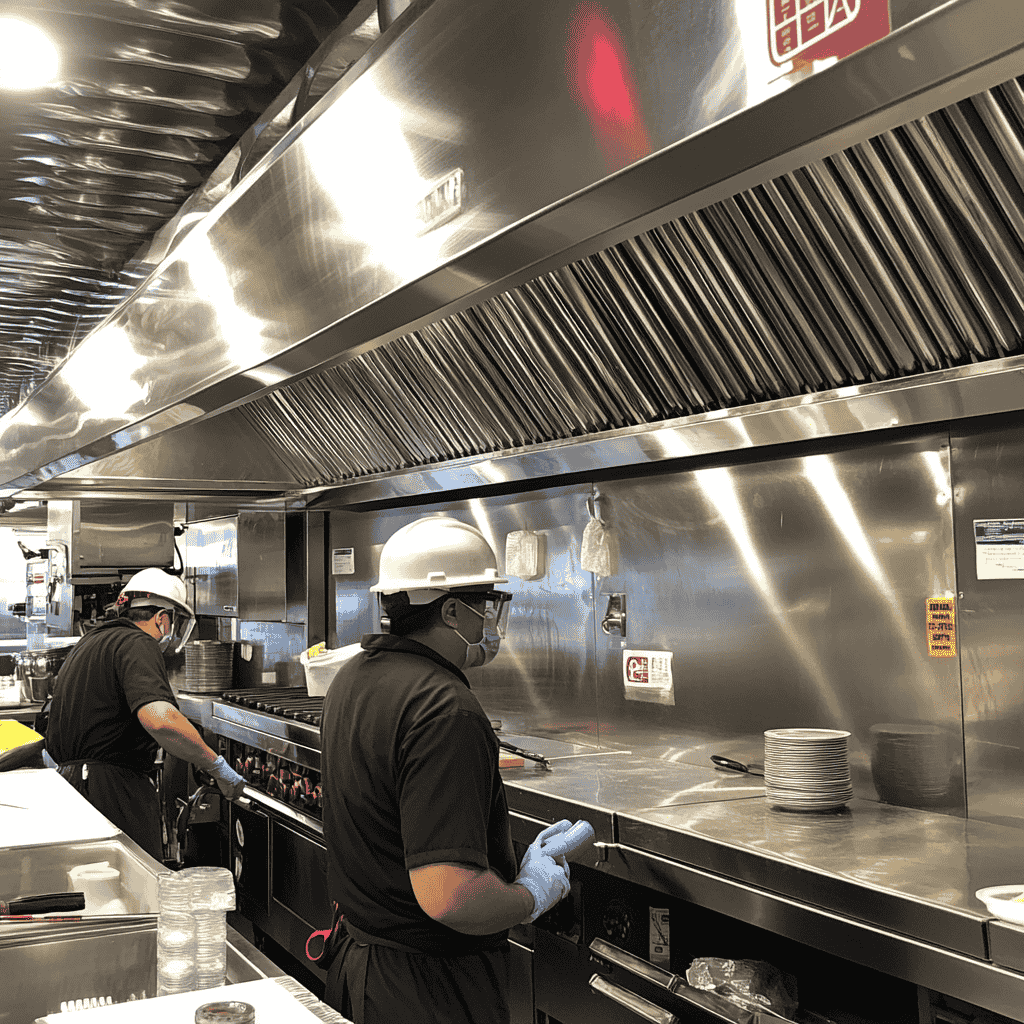
Did you know that, according to the National Fire Protection Association, 57% of restaurant fires involve cooking equipment, with grease buildup being a primary culprit? For Atlanta restaurant owners, maintaining NFPA 96 compliance isn’t just about avoiding fines—it’s about protecting your investment, staff, and customers from devastating kitchen fires. Restaurant owners across Atlanta neighborhoods need comprehensive information about proper hood cleaning procedures to protect their business investments and avoid costly violations. The Atlanta Fire Department strictly enforces these commercial kitchen exhaust system standards throughout Buckhead, Midtown, Downtown and all Atlanta neighborhoods. With Georgia’s hot, humid climate accelerating grease accumulation, local restaurants face even greater risks than those in cooler regions. This guide explains everything Atlanta food service establishments need to know about meeting NFPA 96 requirements for kitchen hood systems, cleaning schedules, documentation needs, and finding qualified technicians to keep your business safe and compliant. NFPA 96 Key Requirements for Atlanta Restaurants: Understanding NFPA 96 Standards for Atlanta Restaurants What is NFPA 96 and Why It Matters for Your Atlanta Restaurant The National Fire Protection Association Standard 96 establishes requirements for the design, installation, operation and maintenance of commercial kitchen exhaust systems. This comprehensive standard governs everything from hood design specifications to cleaning frequency requirements. For Atlanta restaurant owners, NFPA 96 is more than just another regulation—it’s the foundation of kitchen fire safety. The standard is incorporated by reference into Atlanta’s fire code, making compliance mandatory for all commercial food service operations. Last year, a restaurant on Peachtree Street faced a $5,000 fine and three-day closure after failing an NFPA 96 compliance inspection. The owner told me, “I didn’t realize how serious these requirements were until the fire marshal shut us down during Friday dinner service.” Understanding Atlanta’s specific fire code requirements is essential for restaurant owners who want to maintain both safety and compliance standards in their establishments. Atlanta-Specific Hood Cleaning Regulations The City of Atlanta enforces NFPA 96 through regular inspections conducted by the Atlanta Fire Marshal’s office. These inspections typically focus on: Atlanta regulations require cleaning certificates to be prominently displayed near the hood system, typically with certification stickers showing the date of last service. Fire inspectors can require immediate cleaning if they observe excessive grease accumulation, regardless of when the system was last cleaned. Common NFPA 96 Violations in Atlanta Restaurants The Atlanta Fire Department reports these frequent violations during restaurant inspections: One Atlanta fire inspector noted, “I can tell within 30 seconds if a restaurant is taking hood cleaning seriously. When I see grease dripping from filters or no cleaning sticker, I know we’re going to find problems throughout the system.” Hood Cleaning Frequency Requirements for Atlanta Restaurants The required frequency for professional hood cleaning varies based on cooking volume and methods. Atlanta’s climate makes grease accumulation happen faster than in many other regions. Show Image High-Volume Cooking Operations (Monthly Cleaning) Monthly cleaning is mandatory for: These operations produce significant grease-laden vapors that rapidly accumulate in hood systems. Atlanta’s summer heat accelerates this process, making strict adherence to monthly cleaning schedules essential. Moderate-Volume Cooking Operations (Quarterly Cleaning) Quarterly cleaning (every 3 months) is required for: These establishments still produce substantial grease but at a lower volume than high-production kitchens. Quarterly cleaning schedules must be maintained year-round, with documentation of each service. Light-Volume Cooking Operations (Semi-Annual Cleaning) Semi-annual cleaning (every 6 months) applies to: Even light-volume operations must maintain regular cleaning schedules, as even modest grease accumulation creates fire hazards over time. Seasonal Atlanta Restaurants: Special Considerations Seasonal businesses or those with variable volume may require customized cleaning schedules. Atlanta’s outdoor dining scene includes many establishments that experience dramatic volume changes between seasons. For these restaurants, pre-season inspections and cleanings are critical before ramping up operations. The Atlanta Fire Department may require specific documentation of these seasonal maintenance programs. Common Atlanta Restaurant Questions About NFPA 96 Q: How do I know if my hood cleaner is properly certified? A: Legitimate hood cleaning companies in Atlanta will have technicians certified in NFPA 96 standards and procedures. Ask for proof of certification and insurance coverage specifically for hood cleaning. Q: Can my staff handle some of the hood cleaning? A: While daily filter cleaning and surface wiping can be performed by staff, professional cleaning of the entire exhaust system is required to meet NFPA 96 standards. Staff cleaning does not satisfy code requirements. Q: What documentation do I need to maintain for inspections? A: Keep records of all professional cleanings, including service reports, before/after photos, and certification stickers. Store these documents where they’re easily accessible during inspections. Q: What factors influence the cost of hood cleaning in Atlanta? A: Several factors affect hood cleaning costs, including system size and complexity, level of grease accumulation, ease of access to components, time since last cleaning, and whether after-hours service is required. Contact professional service providers for customized quotes based on your specific needs. Complete NFPA 96 Hood Cleaning Process Pre-Cleaning Inspection and Documentation Professional hood cleaning begins with a thorough inspection of the entire system. This includes: This initial assessment determines the extent of cleaning needed and identifies any components requiring repair or replacement. Proper Cleaning Techniques for Hoods, Ducts, and Fans A thorough NFPA 96 compliant cleaning follows this general process: The entire process typically takes 2-4 hours for standard systems, longer for complex or severely soiled systems. Post-Cleaning Inspection and Certification After cleaning, technicians perform a comprehensive inspection to verify all components meet NFPA 96 standards: Documentation Requirements for Atlanta Health Inspectors Professional hood cleaning services must provide specific documentation: Atlanta inspectors typically look for this documentation during routine health and fire safety inspections. Restaurants must maintain these records for at least one year. Choosing a Certified Hood Cleaning Service in Atlanta Required Certifications and Insurance When selecting a hood cleaning provider in Atlanta, verify these essential qualifications: Ask to see physical copies of these credentials before hiring any service provider. Questions to Ask Before Hiring a Hood Cleaning Company Before scheduling service, ask potential providers these