
Commercial Dryer Vent Fire Hazards: Statistics Every Business Owner Should Know
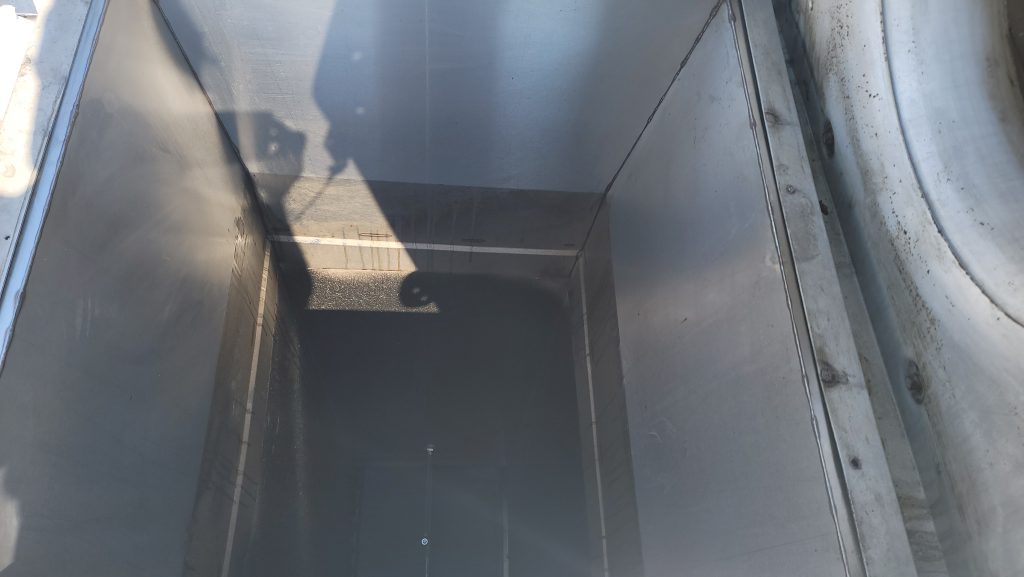
Commercial dryer fires represent a serious threat to businesses across the United States. According to the National Fire Protection Association (NFPA), these fires cause millions of dollars in property damage annually and result in injuries that could be prevented through proper maintenance.
How Restaurants Can Turn Used Cooking Oil into Revenue: A Complete Guide
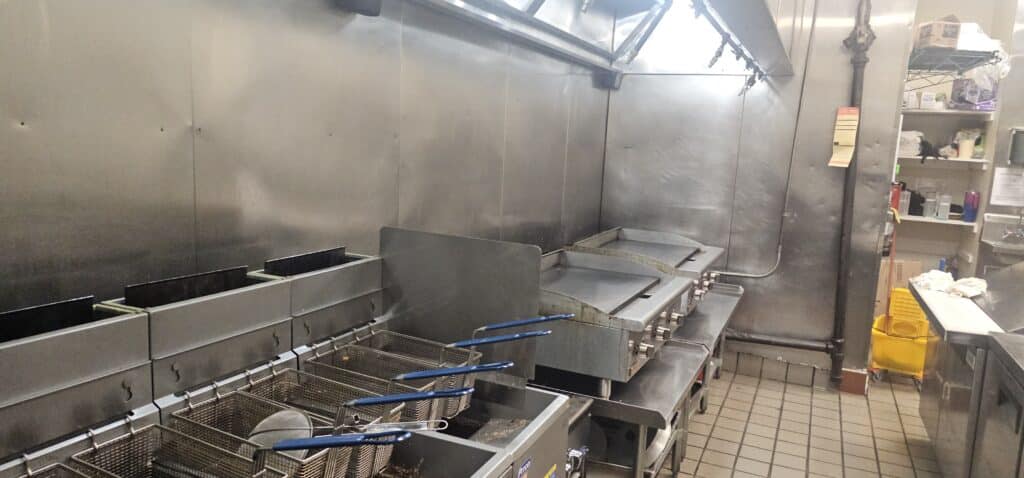
Every week, restaurants across Atlanta pour thousands of gallons of used cooking oil down the drain or pay to have it hauled away as waste. What many business owners don’t realize is that this “waste” product has real monetary value. Used cooking oil can be converted into biodiesel fuel, creating an opportunity for restaurants to generate additional income while supporting environmental sustainability. The Hidden Value in Your Kitchen’s Waste Oil Used cooking oil recycling has transformed from a simple disposal method into a profitable business practice for food service establishments. When you partner with a certified recycling company, your spent fryer oil becomes raw material for renewable energy production. The oil you once considered garbage now has a market value that can offset your operating costs. In Atlanta’s competitive restaurant market, every dollar counts. Smart operators are discovering that their fryer oil represents an untapped revenue stream. The process is straightforward: instead of paying for disposal, you receive payment for your used oil. The amount varies based on current market rates and your volume, but many establishments see regular checks that help balance their bottom line. Understanding the Recycling Process The journey from fryer to fuel starts when a recycling service collects your used cooking oil. Professional companies provide containers for storage and schedule regular pickups based on your volume. The oil must be free from water and solid food particles to maintain its value. Once collected, the oil goes through a filtration and cleaning process. Refineries then convert it into biodiesel, a renewable fuel that powers vehicles and machinery. This biodiesel meets strict quality standards set by the Environmental Protection Agency and can be blended with traditional diesel or used on its own. Atlanta restaurants benefit from strong local demand for used cooking oil. The city’s commitment to green initiatives and renewable energy creates a robust market for this recycled product. Collection services compete for your business, which can drive up the rates you receive. What Determines Your Oil’s Value Several factors affect how much money you can earn from your used cooking oil: Volume: Larger operations that produce more oil typically command better rates. A high-volume restaurant might generate 50-100 gallons per week, while smaller establishments produce 10-20 gallons. Quality: Clean oil free from water and excessive food debris has a higher value. Oil that’s been properly stored and hasn’t been contaminated fetches premium prices. Market Conditions: Like any commodity, used cooking oil prices fluctuate based on supply and demand. Biodiesel production rates, petroleum prices, and government incentives all impact what recyclers can pay. Service Agreement: The terms of your contract matter. Some companies offer higher rates but require longer commitments or minimum volumes. Others provide flexible arrangements with variable pricing. Maximizing Your Revenue Potential To get the most value from your used cooking oil, focus on quality and volume management. Store oil in designated containers away from water sources. Never mix different types of oil, as this can reduce value. Strain out food particles before storage to maintain quality. Train your kitchen staff on proper oil handling. Many restaurants lose money because employees inadvertently contaminate oil with water or dispose of it incorrectly. A few minutes of training can protect your revenue stream. Consider your oil management strategy. Some restaurants change oil too frequently, reducing the volume available for recycling. Others wait too long, degrading oil quality and food taste. Find the balance that maintains food quality while maximizing recyclable volume. Legal Requirements and Compliance in Atlanta Atlanta restaurants must follow specific regulations when recycling cooking oil. The city requires proper storage containers that prevent spills and contamination. These containers must be secured and clearly labeled. Your recycling partner should provide compliant storage equipment as part of their service. Health department regulations prohibit storing used oil where it could contaminate food or create safety hazards. Most restaurants keep collection containers in designated areas outside the kitchen, protected from the weather and easily accessible for pickup. Your recycling company must be licensed and insured to handle used cooking oil. Verify their credentials before signing any agreement. Reputable services carry proper insurance and follow all local, state, and federal regulations for transporting and processing used oil. Environmental Benefits Beyond Revenue While the financial benefits grab attention, the environmental impact of cooking oil recycling deserves recognition. Every gallon of used oil converted to biodiesel reduces dependence on fossil fuels. Biodiesel produces fewer emissions than traditional diesel, contributing to cleaner air in Atlanta. Recycling prevents oil from entering water systems, where it causes serious environmental damage. When oil goes down drains, it can clog pipes, create backups, and contaminate waterways. A single gallon of oil can pollute up to one million gallons of water. Atlanta has made sustainability a priority, and participating in cooking oil recycling aligns your restaurant with the city’s environmental goals. This can strengthen your brand and appeal to environmentally conscious customers who increasingly consider sustainability when choosing where to dine. Common Mistakes That Cost Restaurants Money Many restaurants miss revenue opportunities by making simple errors. Mixing oil with water is the most frequent mistake. Even small amounts of water can render oil worthless to recyclers. Always keep containers completely dry before adding oil. Some operators pour different types of oil into the same container. Mixing vegetable oil with animal fats or mixing oils from different cooking processes can reduce value. Keep oils separate when possible. Failing to secure proper storage containers leads to spills, contamination, and lost revenue. Invest in quality storage equipment provided by your recycling service. These containers protect your asset and prevent environmental violations. Choosing the Right Recycling Partner in Atlanta Not all cooking oil recycling services offer the same value or reliability. Research companies operating in Atlanta and compare their rates, services, and reputation. Ask about their payment structure—some pay per pickup, others monthly based on total volume. Look for companies that provide all necessary equipment, including storage containers, pumps, and lockable lids. Free equipment provision is standard in the industry, so
Complete Restaurant Deep Cleaning Checklist: Areas You’re Probably Missing
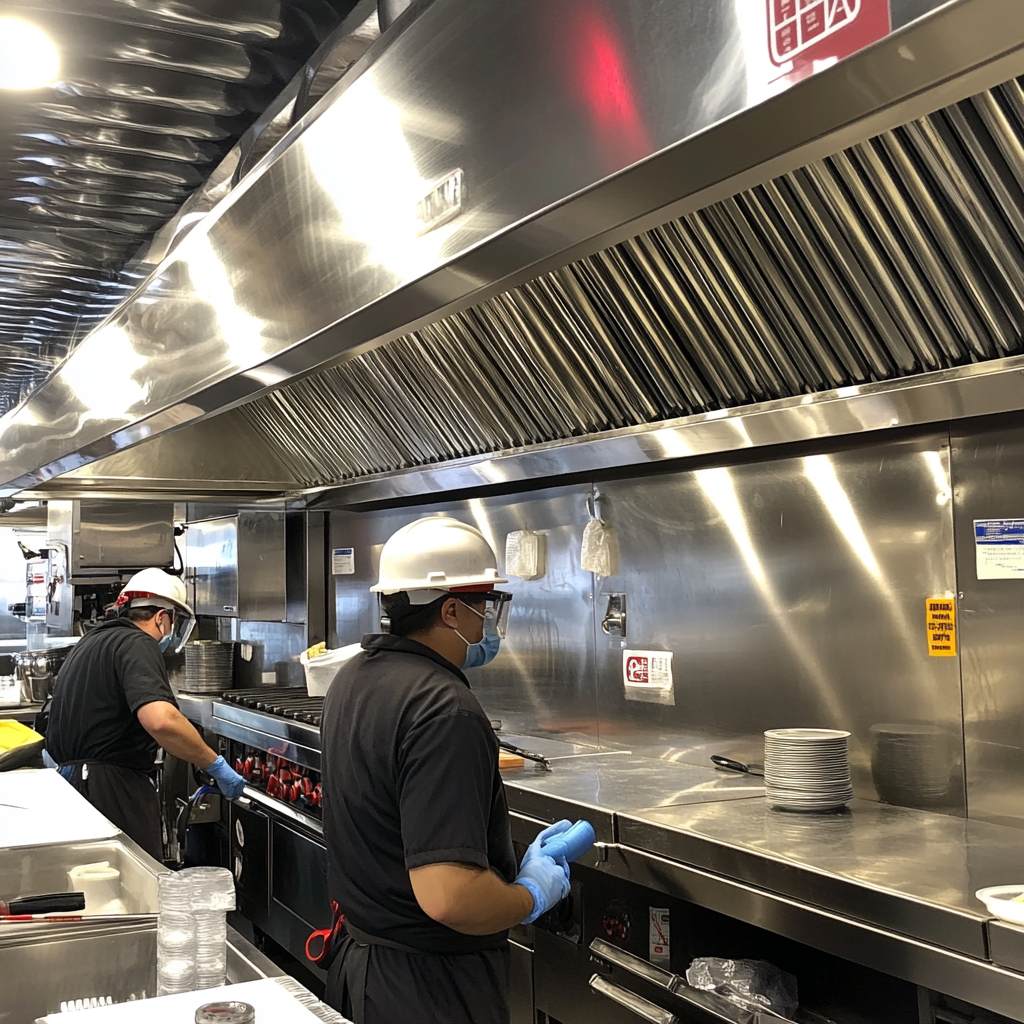
Health inspectors know exactly where to look when they walk into your restaurant. While most operators maintain clean dining rooms and kitchen surfaces, hidden areas often harbor grease, bacteria, and code violations that can shut down your business. A failed inspection doesn’t just cost money—it damages your reputation and customer trust. Professional deep cleaning goes beyond daily maintenance routines. Many restaurants unknowingly neglect spaces that accumulate dangerous buildup over time. These overlooked areas become breeding grounds for bacteria, attract pests, and create fire hazards that put your staff and customers at risk. Why Standard Cleaning Isn’t Enough Your daily cleaning checklist covers visible surfaces and high-traffic areas. Staff wipe down counters, mop floors, and clean equipment exteriors. This maintenance keeps your restaurant presentable but doesn’t address the hidden accumulation that develops in hard-to-reach places. Grease vapor from cooking travels throughout your kitchen, settling on walls, ceilings, and equipment. Over time, this buildup becomes thick and sticky, creating multiple problems. The layer traps bacteria, becomes a fire hazard, and eventually affects your HVAC system’s performance. Health departments in Atlanta enforce strict sanitation standards. Inspectors check areas that most people never see, looking for the telltale signs of inadequate cleaning. A single violation in a hidden area can result in point deductions, fines, or temporary closure. Behind and Under Kitchen Equipment The space behind your fryers, grills, and ovens accumulates more grease and debris than almost anywhere else in your kitchen. When equipment stays in place for months, grease pools on the floor, food particles collect in corners, and the walls become coated with a sticky residue. Moving heavy equipment requires proper techniques and multiple people. Many restaurants avoid this task because of the effort involved, but health inspectors specifically check these areas. They’ll ask staff to pull equipment away from walls during inspections. Clean behind and under all cooking equipment at least quarterly. This process involves: The job takes several hours per piece of equipment and requires specialized cleaning solutions that break down baked-on grease. Exhaust System Components Beyond the Hood Most restaurants regularly clean their hood exteriors, but the exhaust system extends far beyond what you see. Ductwork, fans, and rooftop components accumulate grease that poses serious fire risks. This buildup often goes unnoticed until smoke appears or an inspector flags it. Grease travels through your entire exhaust system every time you cook. It condenses inside ducts, collects in fan housings, and eventually drips onto your roof. Atlanta fire codes require regular cleaning of the complete exhaust system, not just the visible hood. Professional hood cleaning services disassemble and clean every component: This service typically happens quarterly or monthly depending on your cooking volume, but many operators schedule it only when problems arise. The roof area around your exhaust system needs attention too. Grease accumulation on roofing materials deteriorates membranes, causes leaks during rainstorms, and voids warranties. Regular roof cleaning around kitchen exhaust points prevents expensive repairs and water damage to your building. Walk-In Coolers and Freezers Walk-in units work hard every day, and their interiors tell the story. Spills freeze to floors, condensation creates ice buildup on walls and ceilings, and door seals collect grime. These conditions affect food safety, energy efficiency, and equipment lifespan. Floor drains in walk-ins often get overlooked during daily cleaning. Ice and debris block these drains, causing water to pool when the unit defrosts. Standing water creates slip hazards and bacterial growth. The drain lines themselves can freeze or clog, requiring professional clearing. Evaporator coils and fans need regular cleaning to maintain temperature control. Dust and debris on coils force the refrigeration system to work harder, increasing energy costs and wear. Some operators never clean these components until the unit fails to maintain temperature. Complete walk-in cleaning involves: Schedule this work during slow periods when you can temporarily relocate stored food. Prep Areas and Hidden Surfaces Prep tables, cutting boards, and work surfaces get cleaned constantly, but the spaces around them hide problems. Underneath stainless steel tables, grease and food particles accumulate on crossbars, legs, and floor areas. These spots are easy to miss during busy service but obvious to trained inspectors. Wall areas behind prep stations show splatter patterns from months of food preparation. Sauces, oils, and liquids create layers that darken over time. Low walls and kick plates under counters collect debris that gets kicked into corners during service. Shelving units in prep areas need complete removal and cleaning periodically. The weight of stored items makes this task difficult, so many operations wipe visible surfaces without addressing the undersides and back areas where dust and residue collect. Dishwashing Station Components Your dishwashing area processes hundreds of items daily, but the machine itself needs deep cleaning. Spray arms clog with mineral deposits and food particles, reducing cleaning effectiveness. Internal tanks accumulate scale and debris. Drain screens and pipes develop blockages that slow drainage. The area around your dish machine harbors hidden problems. Walls behind the unit show water stains and mold growth from constant humidity. Floors under the machine collect standing water and develop drain issues. Pre-rinse spray valves and hoses accumulate mineral buildup that affects water pressure. Deep cleaning the dish area means: This work prevents equipment breakdowns and maintains sanitation standards that health departments expect. Dry Storage and Rarely Moved Items Dry storage areas feel cleaner than kitchen spaces because they don’t involve cooking, but they develop their own problems. Dust settles on top of shelving units and product cases. Spills on lower shelves go unnoticed for weeks. Corners and floor edges collect debris that daily sweeping misses. Large equipment that rarely moves—mixers, proof boxes, ice machines—sits in the same spot for months or years. The floors underneath develop sticky residue, and the spaces between the equipment and walls become pest highways. Inspectors check these areas specifically because they reveal your true cleaning standards. Move every piece of stationary equipment annually and clean all surfaces thoroughly. This practice helps you discover maintenance issues early, prevents pest infestations, and demonstrates your
Car Wash Sump Maintenance: Preventing Costly Clogs and System Failures
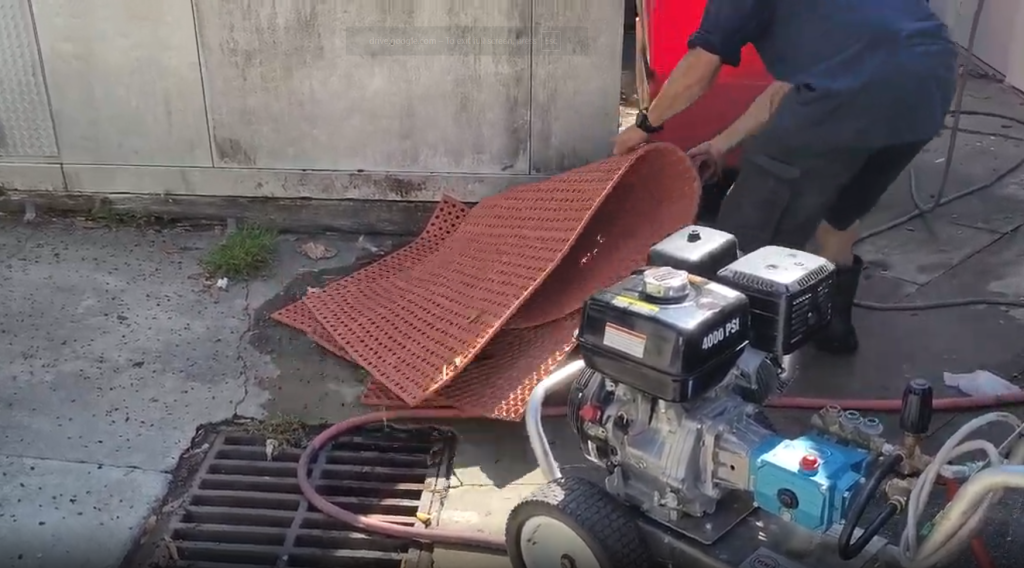
Car wash operators face a maintenance challenge that many underestimate until problems force a complete shutdown. The sump pit system—the underground collection point for water, chemicals, dirt, and debris from wash operations—works continuously without visibility or attention until it fails. When sump systems clog or malfunction, car washes cannot operate, resulting in immediate revenue loss and expensive emergency repairs. Every vehicle that passes through your car wash deposits mud, oil, grease, sand, leaves, and other contaminants into the water system. This material flows into sump pits where it accumulates over time. Without proper maintenance, these pits fill with sludge that blocks pumps, clogs pipes, and creates operational failures that cost thousands of dollars to resolve. Understanding Car Wash Sump Systems Car wash sump pits serve as collection basins for all water used during wash operations. These underground concrete or fiberglass pits capture runoff from bay floors, recycling systems, and drainage channels. The collected water typically contains: Sump systems include pumps that move water from collection pits to recycling equipment or drainage systems. Filters and settling tanks may separate solids from liquids before water is reused or discharged. The efficiency of the entire operation depends on these systems functioning properly. Most car washes operate with one or more sump pits, depending on facility size and wash bay configuration. High-volume operations may have multiple pits serving different zones, while smaller facilities might rely on a single collection point. How Sump Systems Fail Sump pit failures develop gradually through accumulation processes that operators often don’t notice until problems become severe. Sediment settling occurs naturally as heavy particles sink to the bottom of collection pits. Sand, dirt, and mineral deposits form layers that reduce pit capacity over time. As sediment builds up, the effective volume of the pit decreases, leaving less space for water collection during wash cycles. Oil and grease float on water surfaces, forming films that can enter pump systems and coat mechanical components. These petroleum products create sticky residues that trap other debris and accelerate system degradation. Organic matter, including leaves, grass, and other plant material, decomposes in sump pits, creating sludge that clogs screens and filters. This biological material can generate odors and contribute to bacterial growth in warm conditions. Chemical reactions between different cleaning products, hard water minerals, and contaminants create precipitates that settle as thick sludge. These chemical deposits can harden over time, making removal difficult without professional equipment. Pump failures often result from debris entering pump chambers. Small particles wear impellers and seals, reducing efficiency and eventually causing complete mechanical failure. Larger debris can jam pump mechanisms instantly, requiring immediate repairs. Float switches and sensors that control pump operation can malfunction when coated with residue or obstructed by floating debris. When these control systems fail, pumps may run continuously or not activate when needed, leading to flooding or system shutdowns. Warning Signs Your Sump System Needs Attention Car wash operators can identify developing sump problems through observable symptoms before complete system failures occur. Slow drainage during wash cycles indicates restricted flow somewhere in the collection system. Water that pools on bay floors or drains slowly suggests that sump pits are approaching capacity or that drainage lines are partially blocked. Foul odors emanating from floor drains or sump areas signal organic decomposition and bacterial growth. These odors often intensify during warm weather when biological activity increases. Visible debris or discoloration in wash water suggests that filtration systems are not functioning properly or that sump pits contain excessive contamination that is being recirculated. Pump cycling irregularities, including frequent on-off cycles, extended run times, or failure to activate, indicate problems with either the pump itself or the control systems that regulate operation. Equipment performance changes, such as reduced water pressure, inconsistent chemical delivery, or varying wash quality, may trace back to sump system issues affecting overall water flow. Physical symptoms around the facility include: The True Cost of Neglected Maintenance Deferred sump maintenance creates escalating costs that far exceed the expense of regular professional cleaning. Emergency repairs during business hours result in immediate revenue loss. A car wash that processes 100-200 vehicles daily loses hundreds to thousands of dollars for each day of forced closure. Weekend or holiday shutdowns during peak demand periods multiply these losses. Pump replacement costs increase dramatically when failures occur due to debris damage rather than normal wear. Emergency pump service often requires premium labor rates and expedited parts delivery, adding to total expenses. System component damage extends beyond pumps when sump failures allow debris into recycling equipment, water heaters, chemical injection systems, and spray equipment. Contamination can damage multiple components simultaneously, creating compound repair costs. Environmental compliance issues arise when clogged sump systems cause untreated water to discharge improperly. Many municipalities regulate car wash water discharge, and violations can result in fines, mandatory system upgrades, or operational restrictions. Facility damage occurs when backed-up water floods equipment rooms, storage areas, or adjacent spaces. Water damage to electrical systems, stored inventory, or building materials adds costs beyond the plumbing repairs themselves. Customer experience suffers when equipment malfunctions produce inadequate cleaning results. Dissatisfied customers who experience poor wash quality due to system problems may not return, representing long-term revenue losses that exceed immediate repair costs. Recommended Maintenance Schedules The frequency of professional sump cleaning depends on several operational factors specific to each car wash facility. High-volume car washes processing 200 or more vehicles daily should schedule monthly sump cleaning. These operations accumulate contaminants rapidly, and monthly service prevents the buildup that leads to system failures. Medium-volume facilities washing 100-200 vehicles daily benefit from bi-monthly or quarterly cleaning schedules. This frequency balances maintenance costs with the accumulation rates typical of moderate-traffic operations. Lower-volume operations, including self-service bays with lighter traffic, can often maintain functionality with quarterly or semi-annual professional cleaning, though specific conditions may require more frequent service. Seasonal considerations affect maintenance needs. Car washes in areas with harsh winters may need more frequent cleaning during and immediately after winter months when road salt, sand, and de-icing chemicals
North Druid Hills Hood Cleaning: Expert Kitchen Services for the Briarcliff & Toco Hills Corridor
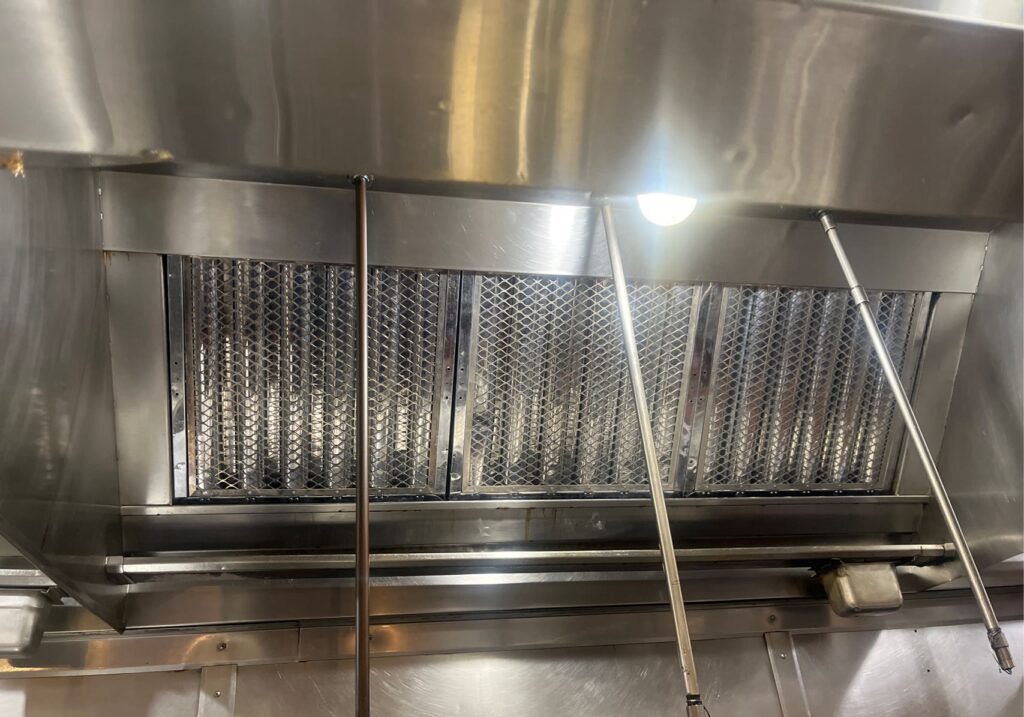
Keeping Commercial Kitchens Safe Near the New Arthur M. Blank Hospital For restaurant owners and commercial facility managers operating in North Druid Hills, the pressure is constant. Situated at the busy crossroads of Briarcliff Road and North Druid Hills Road, your kitchen likely serves a diverse and demanding clientele—from the medical professionals at Children’s Healthcare of Atlanta and Executive Park to the students and faculty near Emory University. In such a high-traffic zone, kitchen downtime is not an option. At Premier Grease, we pride ourselves on being a leader in the commercial kitchen maintenance industry. Founded in Atlanta in the early 2000s, we have grown into a trusted partner for restaurants and foodservice establishments throughout the metro area. Our mission is simple: to keep your kitchen running smoothly so you can focus on serving your customers. Why Hood Cleaning is Critical for Businesses Near I-85 and Briarcliff The commercial corridors surrounding the I-85 Access Road and Toco Hills are densely packed with dining options. Whether you operate a quick-service franchise, a hotel kitchen, or a fine dining establishment, your exhaust system is the lungs of your kitchen. Kitchen hoods are a critical part of your fire prevention system, and keeping them clean is essential for safety and compliance. A neglected hood system is a ticking time bomb; grease buildup can severely compromise air quality and creates a significant fire hazard. The Premier Grease Difference We understand that every commercial kitchen has its own unique challenges, and our solutions are tailored to meet those needs. For businesses in North Druid Hills dealing with high volumes of fried food or heavy grilling, standard cleaning isn’t enough. Serving the Heart of DeKalb County While Premier Grease now serves three key markets—Atlanta, Savannah, and Jacksonville —Atlanta is our home base where we first began. We are deeply familiar with the specific needs of the North Druid Hills community. We provide expert commercial hood cleaning services to the following local hubs: A Full Suite of Kitchen Solutions While hood cleaning is a primary focus, we offer a complete suite of services that address every aspect of grease management. Our goal is to be your one-stop solution for kitchen maintenance, saving you time and hassle. 1. Grease Trap Cleaning & Pumping Prevent blockages and backups with our regular grease trap cleaning. Our high-powered vacuums thoroughly clean out grease traps, minimizing the risk of costly downtime. This is essential for older plumbing infrastructure often found in established Atlanta neighborhoods. 2. Used Cooking Oil Recycling Sustainability is key for modern businesses. Instead of letting used cooking oil go to waste, we collect it and process it into biofuel. This service not only helps the environment but also offers a cost-effective way to manage your used oil. 3. Roof and Equipment Protection Regular usage causes grease to collect on your restaurant’s roof, which can destroy your roof membrane or cause overflows during Atlanta’s heavy rainstorms. We provide roof cleaning to avoid dangerous leaks that could void your warranty. Additionally, we offer filter exchange services to keep your exhaust system compliant and dryer vent cleaning to reduce fire risks. Trusted Expertise Right Around the Corner Our founders, Mark Bober and Doug, saw an opportunity to fill a gap in the market by offering dependable, professional grease trap cleaning services. Today, our team is composed of experienced professionals who are passionate about what they do. We prioritize open communication, transparency, and reliability in every aspect of our service. Whether you need regular maintenance or an emergency cleaning service, we work with you to find a solution that fits your schedule. We know that downtime can be costly, which is why we are always available to provide emergency services when you need them most. Ready to Optimize Your Kitchen? Don’t wait for a compliance issue to slow down your business. Experience the Premier Grease difference—where safety, quality, and reliability meet to keep your kitchen running smoothly. Contact us today for a “hood cleaning service near me” that North Druid Hills businesses trust. Let us handle the grease so you can handle the food.
Used Cooking Oil Recycling for Buckhead & Lindbergh: Reliable Service Near Lenox and Piedmont Road
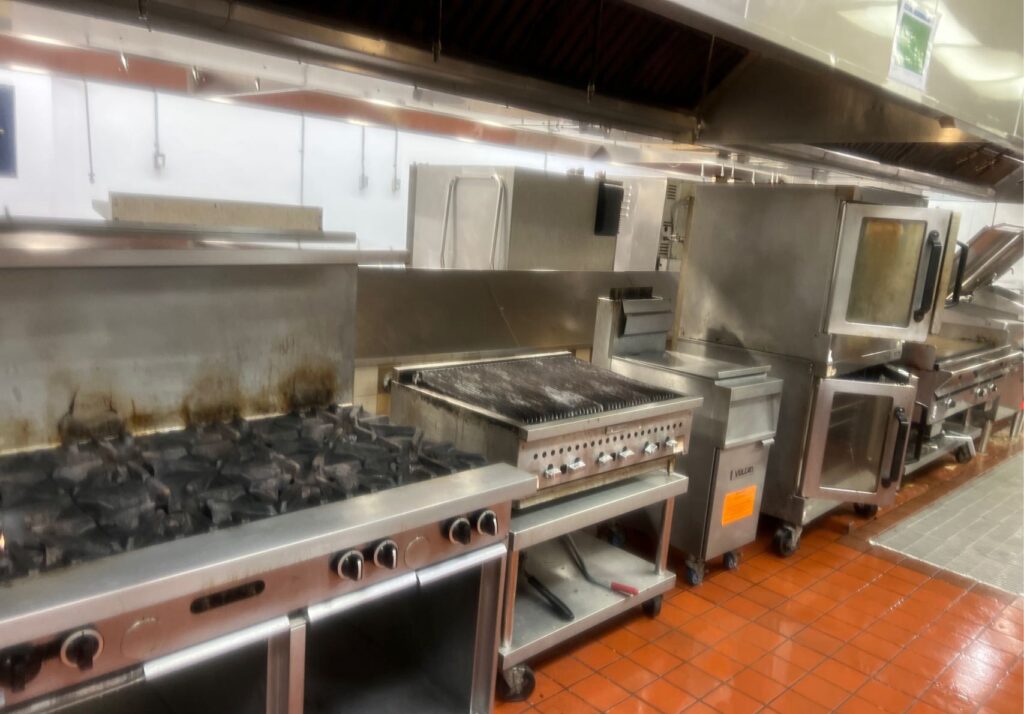
In the upscale dining districts of Buckhead and the high-density mixed-use developments around Lindbergh Center, restaurant operations require a higher level of precision. From the luxury steakhouses near Lenox Square to the busy fast-casual spots lining Piedmont Road, managing kitchen waste is not just about disposal—it’s about maintaining the pristine image expected in Atlanta’s most prestigious commercial neighborhood. Premier Grease provides professional used cooking oil recycling Atlanta chefs and property managers rely on. Since our inception in the early 2000s, we have been committed to providing high-quality grease management services. We understand that in districts like Buckhead Village and Lindbergh, overflowing bins and grease odors are simply not an option. Why Buckhead Restaurants Need Specialized Oil Collection The area surrounding Sidney Marcus Blvd and Morosgo Drive is a unique ecosystem of retail, residential, and dining. With high-rise apartments overlooking restaurant loading docks, sanitation is critical. Neglected grease bins can attract pests and create odors that drive away customers. Premier Grease offers a discreet, reliable solution. We pride ourselves on being a leader in the commercial kitchen maintenance industry, ensuring that your grease management is invisible to your guests but impactful for your bottom line. Aesthetics and Space Management In dense areas like Miami Circle or the Lindbergh City Center, space is at a premium. Loading docks are often shared or visible from the street. Turning Kitchen Waste into Green Energy Buckhead diners are increasingly eco-conscious. Participating in a verified recycling program is a powerful way to demonstrate your commitment to sustainability. At Premier Grease, we collect your used cooking oil and process it into biofuel, providing an eco-friendly solution for waste disposal. This service not only helps the environment but also offers a cost-effective way to manage your used oil. By partnering with us, businesses near Phipps Plaza and Path 400 contribute to the renewable energy cycle, transforming fryer waste into clean-burning fuel that powers local fleets. “Used Cooking Oil Recycling Atlanta”: Compliance & Safety Restaurants in 30324 and 30305 face strict scrutiny from health inspectors and property management groups. Premier Grease ensures that your kitchen remains safe, compliant with regulations, and free of hazardous grease buildup. A Complete Solution for Buckhead Kitchens We understand that every commercial kitchen has its own unique challenges, and our solutions are tailored to meet those needs. While used oil recycling is critical, we offer a complete suite of services that address every aspect of grease management. Grease Trap Cleaning Near Lindbergh To prevent backups in the complex plumbing systems of high-rise buildings, we offer regular grease trap cleaning. Our high-powered vacuums thoroughly clean out grease traps, minimizing the risk of backups and costly downtime. Hood Cleaning Services Keeping your exhaust system safe is non-negotiable. Our thorough hood cleaning service removes grease buildup, improving air quality and reducing fire hazards. We use specialized equipment to deliver top-notch results. Partner with the Local Experts Premier Grease was founded by Mark Bober and Doug with a goal to help restaurant owners avoid the costly issues that grease waste can cause. We are not a distant vendor; we are a local partner dedicated to building long-lasting relationships with our clients. Whether you manage a hotel kitchen on Peachtree Road or a cafe near the Lindbergh MARTA station, you can trust us to get the job done right. Contact Premier Grease today. Experience the difference where safety, quality, and reliability meet to keep your kitchen running smoothly.
Hood Cleaning in Atlanta: Expert Kitchen Safety for Princeton Lakes, Camp Creek, and East Point
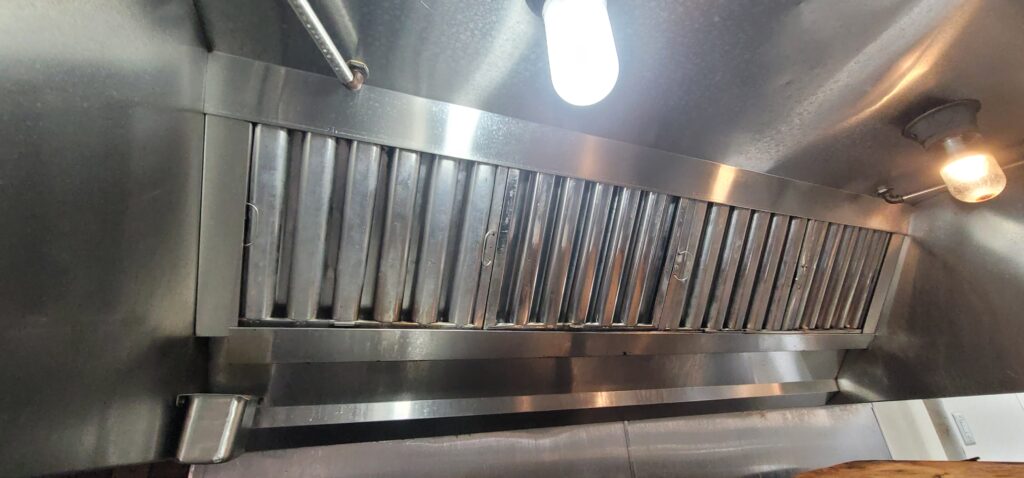
For restaurant owners and commercial kitchen managers in South Atlanta, keeping a kitchen running smoothly is about more than just great food—it is about safety, compliance, and efficiency. Whether you are managing a busy restaurant in Camp Creek Marketplace, a hotel kitchen serving travelers near Hartsfield-Jackson International Airport, or a local eatery in East Point, the risk of grease accumulation is a constant challenge. At Premier Grease, we understand the high-volume demands of the South Fulton area. As a leader in the commercial kitchen maintenance industry , we provide professional hood cleaning services designed to eliminate fire hazards and keep your business compliant with local and federal regulations. The Importance of Professional Hood Cleaning Near Camp Creek The area surrounding Princeton Lakes and Camp Creek Parkway is a thriving commercial hub. With the density of dining establishments serving both locals and the influx of visitors from the nearby Georgia International Convention Center, commercial kitchens here operate at a high capacity. High-volume cooking leads to rapid grease buildup in exhaust systems. If neglected, this buildup restricts airflow and becomes a severe fire hazard. Kitchen hoods are a critical part of your fire prevention system, and keeping them clean is essential for safety. A professional hood cleaning service near me is not just a search query—it is a necessity for protecting your property, your employees, and your patrons. Why Local Businesses Choose Premier Grease We are not just a vendor; we are neighbors with a deep history in this city. Premier Grease started as a local operation right here in Atlanta in the early 2000s. Founded by Mark Bober and Doug, our company began with a simple goal: to help restaurant owners avoid the costly issues that grease waste can cause. Today, we continue to serve restaurants and foodservice businesses throughout the greater Atlanta area with the same dedication to service excellence that fueled our initial growth. Reducing Fire Risk in South Atlanta Commercial Kitchens The Princeton Lakes and College Park districts are densely packed with commercial properties. A kitchen fire in a strip center or a hotel complex can have devastating consequences, not just for one business, but for neighboring properties as well. Our thorough hood cleaning service removes grease buildup, improving air quality and reducing fire hazards. By choosing a local hood cleaning company that understands the specific layout and density of the South Fulton commercial corridors, you ensure that your system is cleaned to the bare metal, meeting NFPA 96 standards. Our Advanced Cleaning Approach We invest in the latest technology to ensure the most efficient and thorough service for our clients near I-285 and beyond. Serving the “Aerotropolis” Region: Consistency Matters The area around the airport, often referred to as the Aerotropolis, requires consistent, reliable service. If you are running a kitchen near the Gateway Center Arena, you cannot afford downtime due to a failed health inspection or a clogged exhaust system. We offer proactive maintenance plans designed to prevent issues before they arise. Our regular inspections and timely cleanings help avoid costly repairs and ensure your kitchen stays compliant. This is particularly vital for the fast-paced restaurants along Camp Creek Pkwy, where a shutdown during dinner rush can mean significant revenue loss. Signs You Need Hood Cleaning Services If you are operating a business in Greenbriar or Princeton Lakes, look out for these warning signs: Comprehensive Grease Management for Atlanta Businesses While hood cleaning is a primary defense against fire, Premier Grease offers a complete suite of services to address every aspect of grease management. We aim to be your one-stop solution for kitchen maintenance. Integrated Services for Local Restaurants Why “Hood Cleaning Near Me” leads to Premier Grease When you search for commercial hood cleaning services around South Fulton, you need a partner who values transparency and reliability. At Premier Grease, we prioritize open communication. We work closely with each client to understand their unique needs and develop customized maintenance plans. The Premier Grease Difference Protecting Your Investment in Princeton Lakes The commercial real estate market in Princeton Lakes and the surrounding Camp Creek area is valuable. Protecting that investment requires diligent maintenance. Neglected grease buildup is not just a fire hazard; it is a liability. By partnering with Premier Grease, you ensure that your establishment—whether it is a bustling franchise near the Marketplace or a specialized catering kitchen near College Park—remains safe, clean, and efficient. Schedule Your Service Today Don’t wait for an inspection failure or a safety incident. Ensure your kitchen hood system is operating at peak performance. We proudly serve the entire Atlanta area, bringing our expertise and commitment to safety to your doorstep. Experience the Premier Grease difference—where safety, quality, and reliability meet to keep your kitchen running smoothly.
How Often Should Commercial Grease Traps Be Cleaned? A Complete Guide
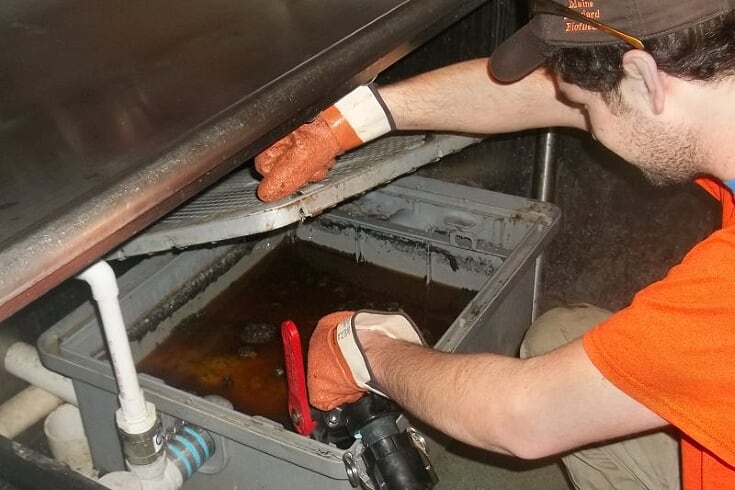
Every restaurant owner in Atlanta, Savannah, and Jacksonville knows the sinking feeling of a backed-up grease trap. The foul odors, health code violations, and potential for thousands in plumbing repairs make grease trap maintenance one of the most important—yet often overlooked—aspects of running a commercial kitchen. Understanding Grease Trap Cleaning Requirements The frequency of grease trap cleaning depends on several factors, but most commercial kitchens need service every 1-3 months. Health departments across Georgia and Florida have specific regulations that mandate regular maintenance, and falling behind can result in hefty fines or even temporary closure. What Determines Your Cleaning Schedule? Kitchen Volume and Type High-volume restaurants that fry foods or serve heavy amounts of meat require more frequent cleaning than establishments with lighter cooking methods. A busy Atlanta barbecue joint will need monthly service, while a Savannah coffee shop might only require quarterly maintenance. Grease Trap Size Smaller grease interceptors fill up faster and need attention more often. A 20-pound capacity trap might need weekly service at a high-volume location, while a 1,000-gallon trap could go months between cleanings. Local Regulations Atlanta, Savannah, and Jacksonville each have their own requirements. Fulton County mandates that grease traps be cleaned when they reach 25% capacity, while Duval County enforces similar standards with regular inspections. The 25% Rule: Industry Standard Most health departments follow the 25% rule—your grease trap must be pumped when it reaches one-quarter full of fats, oils, and grease (FOG). Waiting until the trap is completely full leads to: Recommended Cleaning Frequencies by Business Type Fast Food Restaurants Every 2-4 weeks High-volume fryers and constant cooking create massive amounts of grease. Chains and quick-service restaurants in busy Atlanta locations often need bi-weekly or even weekly service. Full-Service Restaurants Every 1-3 months Sit-down restaurants with varied menus typically fall into this category. Your cleaning schedule depends on menu items—seafood restaurants may need less frequent service than steakhouses. Cafeterias and Institutional Kitchens Every 1-2 months Schools, hospitals, and corporate dining facilities serve high volumes during specific hours. Regular monthly cleaning keeps these operations compliant and running smoothly. Bakeries and Coffee Shops Every 2-4 months Lower grease production means these establishments can often extend time between cleanings, though regular monitoring remains important. Bars and Taverns Every 2-3 months Bar kitchens with limited food service still accumulate grease from appetizers and fried foods, requiring regular maintenance. Warning Signs You Need Immediate Cleaning Don’t wait for your scheduled service if you notice these red flags: Slow Draining Sinks When water starts pooling in your three-compartment sink or prep areas, your trap is likely full or developing a clog. Foul Odors The smell of rotting grease indicates your trap has exceeded capacity. These odors permeate dining areas and drive customers away. Sewage Backups Any backup is an emergency requiring immediate professional service. This poses serious health risks and typically results in temporary closure. Fruit Flies and Pests Accumulated grease attracts insects and rodents. If you see an increase in pests near drains, your trap needs attention. Gurgling Drains Strange sounds from your plumbing indicate air trapped by grease buildup, signaling an overflowing trap. Atlanta Health Department Requirements Atlanta and surrounding Fulton County enforce strict grease trap regulations. Commercial kitchens must: Violations can result in fines starting at $500 and increase for repeat offenses. The city takes grease management seriously because improper maintenance contributes to sanitary sewer overflows that affect entire neighborhoods. Savannah Grease Trap Compliance Savannah’s historic downtown hosts hundreds of restaurants in buildings with aging infrastructure. The city enforces: Many Savannah restaurants operate in historic buildings where plumbing modifications are restricted, making proper grease trap maintenance even more important. Jacksonville FOG Program Jacksonville’s Fats, Oils, and Grease program protects the St. Johns River and local waterways. Requirements include: The city has invested millions in preventing sewer blockages caused by grease, and they actively enforce compliance through regular monitoring. What Happens During Professional Cleaning Professional grease trap service involves more than just pumping. Here’s what you should expect: Complete Trap Evacuation Technicians use powerful vacuum trucks to remove all contents—not just the floating grease layer but also the water and settled solids at the bottom. Interior Scraping and Cleaning After pumping, the trap’s walls and baffles are scraped to remove adhered grease, preventing premature refilling. Component Inspection Professional technicians check gaskets, seals, and flow restrictors for damage that could affect trap performance. Proper Disposal All waste is transported to approved rendering or waste treatment facilities, never illegally dumped. Documentation You receive a cleaning manifest showing the date, volume pumped, and disposal location—required for health inspections. Maintaining Your Trap Between Services Regular professional cleaning forms the foundation, but daily practices extend the time between service calls: Scrape Plates Thoroughly Train staff to scrape all food waste into the trash before washing dishes. Even small amounts of grease accumulate quickly. Use Drain Screens Install and regularly clean screens in all sinks to catch food particles before they enter the plumbing. Never Pour Grease Down Drains Keep containers for used cooking oil and dispose of them through proper recycling channels, not down your drains. Run Hot Water After washing greasy dishes, run hot water for 2-3 minutes to help flush residual grease through the trap. Clean Floor Drains Regularly maintain floor drains in cooking areas, as these often feed into your grease trap system. Monitor Trap Levels Check your trap weekly by lifting the lid and measuring the grease layer with a measuring stick. Document these checks for inspectors. Cost Implications of Proper Maintenance While regular cleaning represents an operating expense, the costs of neglecting your grease trap far exceed maintenance fees: Emergency Plumbing Repairs A backed-up main line can cost $3,000-$10,000 to excavate and repair, plus lost revenue during closure. Health Department Fines Citations range from $500 to $5,000 depending on severity and repeat violations. Environmental Penalties Discharge violations carry much steeper fines—up to $25,000 per day in some jurisdictions. Lost Business Even a single day of closure due to grease trap issues can cost thousands in
Commercial Hood Cleaning in Smyrna & Cumberland: Protecting Kitchens Near The Battery and Cobb Galleria
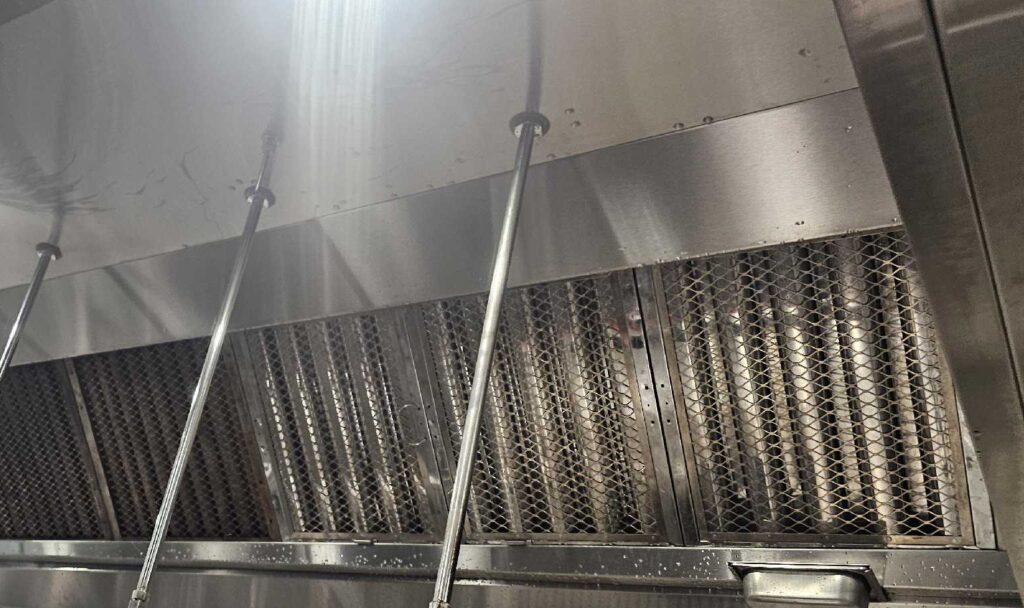
Keep your kitchen compliant, safe, and efficient with expert hood cleaning services right here in the heart of the Cumberland district. In the bustling commercial hubs surrounding Cobb Parkway and The Battery Atlanta, commercial kitchens never stop moving. From the fast-casual dining spots near Cumberland Mall to the high-volume restaurants serving crowds at Truist Park, the demand on kitchen exhaust systems is intense. For restaurant owners and facility managers in Smyrna and the Vinings area, maintaining a fire-safe kitchen isn’t just a requirement—it is a necessity for business continuity. Premier Grease is your local partner for professional hood cleaning services. Founded in the early 2000s, we have grown from a local operation to a leader in the industry, ensuring kitchens near Spring Road and the I-285/I-75 interchange remain safe, compliant, and open for business. Why Local Restaurants Near Truist Park Need Frequent Hood Cleaning The area defined by the Cumberland Community Improvement District (CID) is one of the busiest commercial corridors in Georgia. If your business operates near the Cobb Galleria Centre or the busy intersections of U.S. 41 (Cobb Pkwy), your kitchen likely processes a higher volume of food than the average establishment. High-volume cooking leads to rapid grease accumulation. In districts like Smyrna Heights and Cumberland, where foot traffic from the stadium and shopping centers drives peak dining hours, grease traps and hoods can become overwhelmed quickly. Premier Grease understands that every commercial kitchen has its own unique challenges. Neglecting your exhaust system in such a high-stakes environment can lead to: Our mission is to keep your kitchen running smoothly so you can focus on serving your customers, whether they are locals from Vinings or visitors attending a convention at the Galleria. Comprehensive Commercial Hood Cleaning Services At Premier Grease, specialized hood cleaning is one of our core competencies. Kitchen hoods are a critical part of your fire prevention system, and keeping them clean is essential for safety and compliance. What Our Service Includes We don’t just wipe down the visible surfaces. Our thorough hood cleaning service removes grease buildup, improving air quality and reducing fire hazards. We utilize advanced technology and equipment to ensure the most efficient and thorough service. Our process involves: Our technicians are highly trained and certified in all aspects of hood cleaning. They stay updated on the latest safety standards and cleaning techniques, so your kitchen remains in compliance with local and federal regulations. Serving the Heart of Smyrna and The Cumberland Corridor When you search for “hood cleaning near me” or “commercial kitchen services near The Battery,” you need a provider who understands the local logistics. We are deeply familiar with the commercial landscape around: We pride ourselves on being a leader in the commercial kitchen maintenance industry, and our expansion was fueled by the trust we built with our clients. Since our inception, we have been committed to providing high-quality grease management services. The Risks of Grease Accumulation on Rooftops In the dense commercial zones along Cobb Parkway, many restaurants share buildings or are located in strip centers. This makes rooftop maintenance critical. Regular kitchen range and fryer usage causes grease to collect on your restaurant’s roof. If your exhaust fan isn’t properly maintained, grease can leak onto the roof membrane. This accumulation can cause overflows during heavy rainstorms or even destroy your roof membrane. In an area like Smyrna, which experiences heavy seasonal rains, a compromised roof can lead to disastrous leaks. Premier Grease helps you avoid dangerous roof leaks—which ultimately void your warranty—by keeping your roof clean on a regular basis. This simple preventative measure helps you avoid high, long-term costs. Why Smyrna Businesses Choose Premier Grease We know there are other “hood cleaning companies near me,” but Premier Grease offers a level of reliability that local businesses depend on. Our founders, Mark Bober and Doug, saw an opportunity to fill a gap in the market by offering dependable, professional services. 1. Advanced Technology We invest in the latest technology, from high-powered vacuums for pumping to specialized equipment for hood cleaning, using the best tools available to deliver top-notch results. 2. Proactive Maintenance Plans We offer customized maintenance plans designed to prevent issues before they arise. We work closely with each client to understand their unique needs and develop plans that keep their kitchens running smoothly. This is vital for busy restaurants near Heritage Park or Jonquil Park that cannot afford downtime. 3. A “One-Stop” Solution We offer a complete suite of services that address every aspect of grease management. Beyond hood cleaning, we provide: Our goal is to be your one-stop solution for kitchen maintenance, saving you time and hassle. Compliance with Cobb County Regulations Operating a food service establishment in Smyrna means adhering to strict health and safety codes. Our team ensures that every service we provide is carried out with precision and care. Our technicians are certified to handle hazardous waste and prioritize safety standards to ensure your kitchen remains in compliance with local and federal regulations. Whether you are running a cafeteria at a corporate office near Interstate North Parkway or a bistro in Vinings, we provide the documentation and service quality required to pass inspections. Schedule Your Hood Cleaning in Smyrna Today Don’t wait for a fire marshal inspection to address your kitchen exhaust system. Join the many businesses near Truist Park, Cumberland Mall, and throughout Smyrna who trust Premier Grease. We believe that our clients are our partners. Whether you need routine maintenance or emergency service, we work with you to find a solution that fits your schedule. Contact Premier Grease today. Experience the difference where safety, quality, and reliability meet to keep your kitchen running smoothly.