
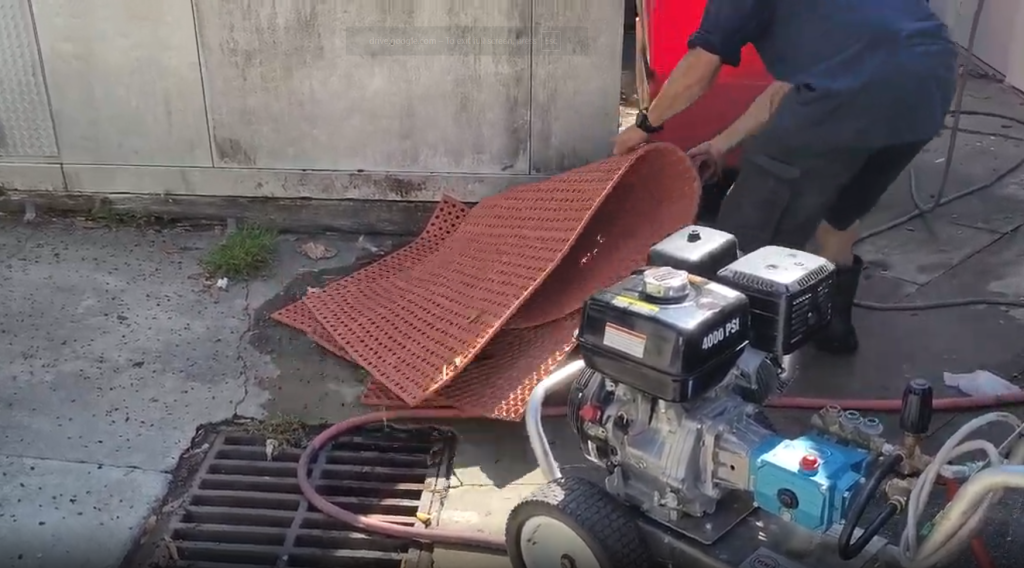
Car wash operators face a maintenance challenge that many underestimate until problems force a complete shutdown. The sump pit system—the underground collection point for water, chemicals, dirt, and debris from wash operations—works continuously without visibility or attention until it fails. When sump systems clog or malfunction, car washes cannot operate, resulting in immediate revenue loss and expensive emergency repairs.
Every vehicle that passes through your car wash deposits mud, oil, grease, sand, leaves, and other contaminants into the water system. This material flows into sump pits where it accumulates over time. Without proper maintenance, these pits fill with sludge that blocks pumps, clogs pipes, and creates operational failures that cost thousands of dollars to resolve.
Understanding Car Wash Sump Systems
Car wash sump pits serve as collection basins for all water used during wash operations. These underground concrete or fiberglass pits capture runoff from bay floors, recycling systems, and drainage channels. The collected water typically contains:
- Dirt and mud from vehicle exteriors
- Road salt and de-icing chemicals
- Motor oil and transmission fluid
- Grease from undercarriage cleaning
- Sand and small gravel particles
- Soap and chemical residues
- Wax and sealant products
- Organic debris, including leaves and grass clippings
Sump systems include pumps that move water from collection pits to recycling equipment or drainage systems. Filters and settling tanks may separate solids from liquids before water is reused or discharged. The efficiency of the entire operation depends on these systems functioning properly.
Most car washes operate with one or more sump pits, depending on facility size and wash bay configuration. High-volume operations may have multiple pits serving different zones, while smaller facilities might rely on a single collection point.
How Sump Systems Fail
Sump pit failures develop gradually through accumulation processes that operators often don’t notice until problems become severe.
Sediment settling occurs naturally as heavy particles sink to the bottom of collection pits. Sand, dirt, and mineral deposits form layers that reduce pit capacity over time. As sediment builds up, the effective volume of the pit decreases, leaving less space for water collection during wash cycles.
Oil and grease float on water surfaces, forming films that can enter pump systems and coat mechanical components. These petroleum products create sticky residues that trap other debris and accelerate system degradation.
Organic matter, including leaves, grass, and other plant material, decomposes in sump pits, creating sludge that clogs screens and filters. This biological material can generate odors and contribute to bacterial growth in warm conditions.
Chemical reactions between different cleaning products, hard water minerals, and contaminants create precipitates that settle as thick sludge. These chemical deposits can harden over time, making removal difficult without professional equipment.
Pump failures often result from debris entering pump chambers. Small particles wear impellers and seals, reducing efficiency and eventually causing complete mechanical failure. Larger debris can jam pump mechanisms instantly, requiring immediate repairs.
Float switches and sensors that control pump operation can malfunction when coated with residue or obstructed by floating debris. When these control systems fail, pumps may run continuously or not activate when needed, leading to flooding or system shutdowns.
Warning Signs Your Sump System Needs Attention
Car wash operators can identify developing sump problems through observable symptoms before complete system failures occur.
Slow drainage during wash cycles indicates restricted flow somewhere in the collection system. Water that pools on bay floors or drains slowly suggests that sump pits are approaching capacity or that drainage lines are partially blocked.
Foul odors emanating from floor drains or sump areas signal organic decomposition and bacterial growth. These odors often intensify during warm weather when biological activity increases.
Visible debris or discoloration in wash water suggests that filtration systems are not functioning properly or that sump pits contain excessive contamination that is being recirculated.
Pump cycling irregularities, including frequent on-off cycles, extended run times, or failure to activate, indicate problems with either the pump itself or the control systems that regulate operation.
Equipment performance changes, such as reduced water pressure, inconsistent chemical delivery, or varying wash quality, may trace back to sump system issues affecting overall water flow.
Physical symptoms around the facility include:
- Wateris backing up through the floor drains
- Wet areas on floors outside of active wash zones
- Unusual pump noises or vibrations
- Reduced flow rates from spray equipment
- System error codes or alarm conditions
- Visible sludge or debris at drain openings
The True Cost of Neglected Maintenance
Deferred sump maintenance creates escalating costs that far exceed the expense of regular professional cleaning.
Emergency repairs during business hours result in immediate revenue loss. A car wash that processes 100-200 vehicles daily loses hundreds to thousands of dollars for each day of forced closure. Weekend or holiday shutdowns during peak demand periods multiply these losses.
Pump replacement costs increase dramatically when failures occur due to debris damage rather than normal wear. Emergency pump service often requires premium labor rates and expedited parts delivery, adding to total expenses.
System component damage extends beyond pumps when sump failures allow debris into recycling equipment, water heaters, chemical injection systems, and spray equipment. Contamination can damage multiple components simultaneously, creating compound repair costs.
Environmental compliance issues arise when clogged sump systems cause untreated water to discharge improperly. Many municipalities regulate car wash water discharge, and violations can result in fines, mandatory system upgrades, or operational restrictions.
Facility damage occurs when backed-up water floods equipment rooms, storage areas, or adjacent spaces. Water damage to electrical systems, stored inventory, or building materials adds costs beyond the plumbing repairs themselves.
Customer experience suffers when equipment malfunctions produce inadequate cleaning results. Dissatisfied customers who experience poor wash quality due to system problems may not return, representing long-term revenue losses that exceed immediate repair costs.
Recommended Maintenance Schedules
The frequency of professional sump cleaning depends on several operational factors specific to each car wash facility.
High-volume car washes processing 200 or more vehicles daily should schedule monthly sump cleaning. These operations accumulate contaminants rapidly, and monthly service prevents the buildup that leads to system failures.
Medium-volume facilities washing 100-200 vehicles daily benefit from bi-monthly or quarterly cleaning schedules. This frequency balances maintenance costs with the accumulation rates typical of moderate-traffic operations.
Lower-volume operations, including self-service bays with lighter traffic, can often maintain functionality with quarterly or semi-annual professional cleaning, though specific conditions may require more frequent service.
Seasonal considerations affect maintenance needs. Car washes in areas with harsh winters may need more frequent cleaning during and immediately after winter months when road salt, sand, and de-icing chemicals increase contamination levels. Spring cleaning following winter operations is particularly important for these facilities.
Additional factors that may require more frequent maintenance include:
- Geographic location and local soil conditions
- Water hardness and mineral content
- Types of services offered (undercarriage cleaning generates more debris)
- Age and condition of existing equipment
- Presence or absence of recycling systems
- Local environmental regulations
Professional Cleaning Procedures
Professional sump cleaning involves specialized equipment and procedures that remove accumulated materials effectively.
Initial inspection assesses current conditions, including sediment depth, water levels, pump operation, and overall system functionality. Technicians identify specific problem areas and determine the extent of cleaning required.
Water removal using powerful vacuum equipment empties sump pits to allow access to accumulated materials. Industrial vacuum trucks handle the volume of contaminated water typical in car wash sumps.
Sediment extraction removes layers of sludge, sand, and debris from pit bottoms and walls. High-powered vacuums and specialized tools break up compacted materials and extract them completely.
Pressure washing cleans pit walls, floors, and components, removing adhered residues and organic films. This process restores full pit capacity and prepares surfaces for continued use.
Pump and component inspection during cleaning allows technicians to evaluate mechanical systems, identify wear or damage, and recommend repairs before failures occur.
Drainage line clearing ensures that pipes connecting sumps to other system components flow freely. Blockages in these lines can negate the benefits of pit cleaning if not addressed.
Final testing verifies that pumps operate correctly, float switches function properly, and water flows through the system as designed.
In-House Maintenance Between Professional Cleanings
Car wash staff can perform regular tasks that extend the time between professional cleanings and help identify developing problems.
Daily visual inspections of accessible sump areas allow staff to spot unusual conditions early. Check for proper water levels, listen for abnormal pump sounds, and note any odors or visible debris.
Regular debris removal from floor drain covers and grates prevents large items from entering sump systems. Remove leaves, trash, and other visible materials before they wash into collection pits.
Filter cleaning or replacement according to manufacturer schedules keeps filtration systems functioning. Clogged filters force contamination into areas where it causes more serious problems.
Monitor pump operation during each shift, noting any changes in cycling patterns, run times, or performance. Document observations to track developing trends.
Test drainage flow by observing how quickly water clears from bay floors during operations. Note any areas where water pools or drains slowly.
Keep detailed records of all maintenance activities, observations, and any issues that arise. These logs help professional service providers understand your system’s history and identify recurring problems.
System Design Considerations
Proper sump system design and configuration affect long-term maintenance requirements and operational reliability.
Adequate pit sizing for expected water volumes and contamination loads reduces how quickly accumulation reaches problematic levels. Undersized pits fill faster and require more frequent maintenance.
Settling tank integration allows heavier particles to drop out before water reaches pump systems. These tanks act as first-stage separators that protect equipment and extend service intervals.
Screen and filter placement at strategic points captures debris before it reaches critical components. Multiple filtration stages provide redundancy and improve overall system efficiency.
Pump selection appropriate to the application ensures reliability. Commercial-grade pumps designed for contaminated water handling last longer and perform better than general-purpose models.
Access points for maintenance should be planned during initial construction or renovation. Adequate access covers, clear pathways to equipment, and proper lighting facilitate both routine maintenance and emergency repairs.
Backup systems, including redundant pumps or emergency overflow provisions, prevent complete operational shutdowns when problems occur. These redundancies allow continued operation while repairs are scheduled.
Water Recycling System Maintenance
Car washes with water recycling systems face additional maintenance considerations related to sump operations.
Recycling systems process water from sump pits, removing contaminants so water can be reused for initial rinse or pre-soak applications. These systems include additional filtration stages, settling tanks, and treatment equipment that all require regular maintenance.
Biological treatment components in some recycling systems use bacteria to break down organic contaminants. These systems need monitoring to maintain proper bacterial populations and treatment effectiveness.
Chemical treatment dosing must be calibrated correctly to handle the contaminant loads in recycled water. Excessive contamination from neglected sumps can overwhelm treatment systems and reduce water quality.
Filter media replacement in recycling systems follows manufacturer schedules, but heavily contaminated water from poorly maintained sumps can shorten media life and increase operating costs.
Regular testing of recycled water quality ensures that reused water meets standards for its intended purpose and doesn’t create vehicle washing problems or equipment damage.
Environmental Regulations and Compliance
Car wash water management is subject to environmental regulations that vary by location but generally address discharge quality and stormwater management.
Many municipalities prohibit direct discharge of untreated car wash water to storm drains or natural waterways. Wastewater must be sent to sanitary sewer systems or processed through approved treatment systems before discharge.
Discharge permits may specify limits on contaminants, including suspended solids, petroleum hydrocarbons, phosphates, and pH levels. Regular sump maintenance helps facilities stay within permitted discharge parameters.
Stormwater pollution prevention plans required in many areas include provisions for managing car wash runoff and preventing contamination of stormwater systems.
Record-keeping requirements often mandate documentation of maintenance activities, water quality testing, and disposal of materials removed from sumps. Professional service providers typically supply documentation that supports regulatory compliance.
Improper disposal of sump waste can result in environmental violations. Materials removed from car wash sumps must be disposed of according to local regulations governing industrial wastewater and contaminated sediments.
Choosing a Professional Service Provider
Selecting qualified professionals for sump cleaning ensures thorough service and protects your investment in car wash equipment.
Experience with car wash systems specifically is valuable because these systems have unique characteristics compared to other commercial wastewater applications. Providers familiar with car wash operations understand the typical problems and most effective solutions.
Proper equipment for the job includes vacuum trucks with adequate capacity, pressure washing systems for pit cleaning, and safety equipment for confined space work if required.
Licensed and insured service providers protect your business from liability. Verify that companies carry appropriate insurance and hold any licenses required by local regulations for wastewater handling.
Documentation provided after service should include details of work performed, quantities of material removed, disposal methods used, and any recommendations for repairs or additional maintenance.
Emergency service availability matters because sump failures often occur suddenly and require immediate response to minimize downtime. Choose providers who offer rapid response for urgent situations.
References from other car wash operators provide insight into service quality and reliability. Ask potential service providers for references from facilities similar to yours.
Creating a Preventive Maintenance Program
Systematic preventive maintenance reduces emergency repairs and extends equipment life while optimizing operational efficiency.
Written maintenance schedules specify all required tasks, their frequencies, and responsible parties. Include both in-house daily tasks and scheduled professional services.
Budget allocation for regular maintenance treats sump cleaning as a predictable operational expense rather than an emergency cost. Regular service costs less than emergency repairs and prevents revenue losses from unplanned downtime.
Staff training ensures that employees understand the importance of sump maintenance and can perform their assigned tasks correctly. Include sump system operation in employee onboarding for any staff who work in wash areas.
Performance monitoring tracks system efficiency over time through metrics such as water usage, pump energy consumption, and maintenance costs. Changes in these metrics can indicate developing problems.
Vendor relationships with professional service providers allow you to schedule regular maintenance at times that minimize impact on operations. Many providers offer service agreements with guaranteed response times and scheduled appointments.
Equipment replacement planning recognizes that pumps, motors, and other components have finite service lives. Budget for eventual replacement based on equipment age and condition rather than waiting for failures.
Technology Solutions for Monitoring
Modern monitoring technology helps car wash operators track sump system performance and identify problems early.
Level sensors installed in sump pits provide real-time information about water levels. Automated alerts notify operators when levels approach maximum capacity or drop too low.
Flow meters measure water movement through the system, helping identify restrictions or pump performance issues. Reduced flow rates can indicate developing clogs before they cause failures.
Remote monitoring systems allow operators to check system status from smartphones or computers. These systems can send alerts about abnormal conditions even when facilities are unattended.
Pump runtime tracking records how long pumps operate, helping identify efficiency losses and predict maintenance needs based on actual usage rather than calendar intervals.
Integration with facility management systems connects sump monitoring to broader operational oversight, allowing centralized management of all maintenance requirements.
Protect Your Car Wash Investment with Professional Sump Maintenance
Car wash sump systems require regular professional maintenance to function reliably and protect your equipment investment. Neglected sumps lead to expensive failures, operational shutdowns, and lost revenue that far exceed the cost of preventive service.
Premier Grease provides professional car wash sump cleaning services throughout Atlanta. Our experienced technicians use commercial vacuum equipment and specialized tools to completely clean sump pits, removing accumulated sediment, sludge, and debris. We inspect pump systems, test operation, and provide detailed documentation of all services performed.
Our comprehensive service includes complete pit evacuation, pressure washing, component inspection, and system testing. We work with car wash operators to develop maintenance schedules that match their operational demands and prevent the problems that lead to costly downtime.
Premier Grease also specializes in grease trap cleaning, hood cleaning, restaurant deep cleaning, dryer vent cleaning, and used cooking oil recycling—providing Atlanta businesses with complete commercial facility maintenance solutions from a single trusted partner.
Contact Premier Grease today to schedule your car wash sump inspection and cleaning service. Let our team help you maintain reliable operations, extend equipment life, and avoid the expense and disruption of emergency repairs. We’ll assess your facility and recommend a maintenance program tailored to your specific needs.
Call now to learn more about our car wash sump cleaning services and discover how we help Atlanta car wash operators maintain efficient, trouble-free operations. Premier Grease—your partner for professional commercial facility maintenance and system protection.