
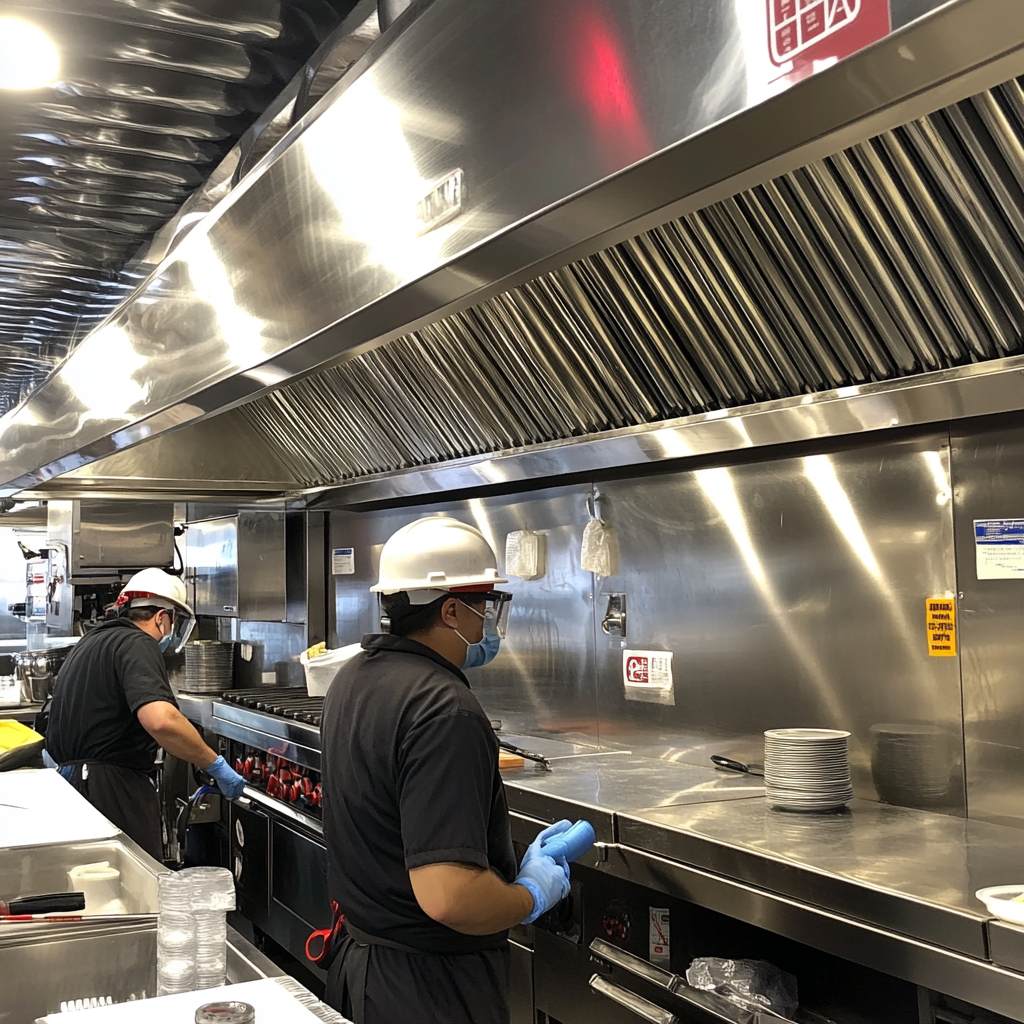
Health inspectors know exactly where to look when they walk into your restaurant. While most operators maintain clean dining rooms and kitchen surfaces, hidden areas often harbor grease, bacteria, and code violations that can shut down your business. A failed inspection doesn’t just cost money—it damages your reputation and customer trust.
Professional deep cleaning goes beyond daily maintenance routines. Many restaurants unknowingly neglect spaces that accumulate dangerous buildup over time. These overlooked areas become breeding grounds for bacteria, attract pests, and create fire hazards that put your staff and customers at risk.
Why Standard Cleaning Isn’t Enough
Your daily cleaning checklist covers visible surfaces and high-traffic areas. Staff wipe down counters, mop floors, and clean equipment exteriors. This maintenance keeps your restaurant presentable but doesn’t address the hidden accumulation that develops in hard-to-reach places.
Grease vapor from cooking travels throughout your kitchen, settling on walls, ceilings, and equipment. Over time, this buildup becomes thick and sticky, creating multiple problems. The layer traps bacteria, becomes a fire hazard, and eventually affects your HVAC system’s performance.
Health departments in Atlanta enforce strict sanitation standards. Inspectors check areas that most people never see, looking for the telltale signs of inadequate cleaning. A single violation in a hidden area can result in point deductions, fines, or temporary closure.
Behind and Under Kitchen Equipment
The space behind your fryers, grills, and ovens accumulates more grease and debris than almost anywhere else in your kitchen. When equipment stays in place for months, grease pools on the floor, food particles collect in corners, and the walls become coated with a sticky residue.
Moving heavy equipment requires proper techniques and multiple people. Many restaurants avoid this task because of the effort involved, but health inspectors specifically check these areas. They’ll ask staff to pull equipment away from walls during inspections.
Clean behind and under all cooking equipment at least quarterly. This process involves:
- Disconnecting gas lines or electrical connections safely
- Moving the equipment with proper lifting techniques
- Scraping hardened grease from floors and walls
- Degreasing all surfaces with commercial-grade cleaners
- Checking for pest activity and droppings
- Inspecting equipment legs and casters for damage
The job takes several hours per piece of equipment and requires specialized cleaning solutions that break down baked-on grease.
Exhaust System Components Beyond the Hood
Most restaurants regularly clean their hood exteriors, but the exhaust system extends far beyond what you see. Ductwork, fans, and rooftop components accumulate grease that poses serious fire risks. This buildup often goes unnoticed until smoke appears or an inspector flags it.
Grease travels through your entire exhaust system every time you cook. It condenses inside ducts, collects in fan housings, and eventually drips onto your roof. Atlanta fire codes require regular cleaning of the complete exhaust system, not just the visible hood.
Professional hood cleaning services disassemble and clean every component:
- Scraping and degreasing interior ductwork
- Cleaning exhaust fan blades and motors
- Servicing rooftop grease containment systems
- Inspecting for fire hazards and structural damage
- Testing fan operation after reassembly
This service typically happens quarterly or monthly depending on your cooking volume, but many operators schedule it only when problems arise.
The roof area around your exhaust system needs attention too. Grease accumulation on roofing materials deteriorates membranes, causes leaks during rainstorms, and voids warranties. Regular roof cleaning around kitchen exhaust points prevents expensive repairs and water damage to your building.
Walk-In Coolers and Freezers
Walk-in units work hard every day, and their interiors tell the story. Spills freeze to floors, condensation creates ice buildup on walls and ceilings, and door seals collect grime. These conditions affect food safety, energy efficiency, and equipment lifespan.
Floor drains in walk-ins often get overlooked during daily cleaning. Ice and debris block these drains, causing water to pool when the unit defrosts. Standing water creates slip hazards and bacterial growth. The drain lines themselves can freeze or clog, requiring professional clearing.
Evaporator coils and fans need regular cleaning to maintain temperature control. Dust and debris on coils force the refrigeration system to work harder, increasing energy costs and wear. Some operators never clean these components until the unit fails to maintain temperature.
Complete walk-in cleaning involves:
- Defrosting the unit completely
- Removing all shelving for separate cleaning
- Scrubbing walls, ceilings, and floors
- Cleaning or replacing door gaskets and seals
- Degreasing and sanitizing floor drains
- Servicing evaporator coils and fan assemblies
- Checking door hardware and temperature controls
Schedule this work during slow periods when you can temporarily relocate stored food.
Prep Areas and Hidden Surfaces
Prep tables, cutting boards, and work surfaces get cleaned constantly, but the spaces around them hide problems. Underneath stainless steel tables, grease and food particles accumulate on crossbars, legs, and floor areas. These spots are easy to miss during busy service but obvious to trained inspectors.
Wall areas behind prep stations show splatter patterns from months of food preparation. Sauces, oils, and liquids create layers that darken over time. Low walls and kick plates under counters collect debris that gets kicked into corners during service.
Shelving units in prep areas need complete removal and cleaning periodically. The weight of stored items makes this task difficult, so many operations wipe visible surfaces without addressing the undersides and back areas where dust and residue collect.
Dishwashing Station Components
Your dishwashing area processes hundreds of items daily, but the machine itself needs deep cleaning. Spray arms clog with mineral deposits and food particles, reducing cleaning effectiveness. Internal tanks accumulate scale and debris. Drain screens and pipes develop blockages that slow drainage.
The area around your dish machine harbors hidden problems. Walls behind the unit show water stains and mold growth from constant humidity. Floors under the machine collect standing water and develop drain issues. Pre-rinse spray valves and hoses accumulate mineral buildup that affects water pressure.
Deep cleaning the dish area means:
- Dismantling and soaking spray arms
- Descaling tanks and heating elements
- Clearing all drain lines and screens
- Pressure washing walls and floors
- Sanitizing every surface and component
- Checking water temperature and pressure
- Replacing worn gaskets and seals
This work prevents equipment breakdowns and maintains sanitation standards that health departments expect.
Dry Storage and Rarely Moved Items
Dry storage areas feel cleaner than kitchen spaces because they don’t involve cooking, but they develop their own problems. Dust settles on top of shelving units and product cases. Spills on lower shelves go unnoticed for weeks. Corners and floor edges collect debris that daily sweeping misses.
Large equipment that rarely moves—mixers, proof boxes, ice machines—sits in the same spot for months or years. The floors underneath develop sticky residue, and the spaces between the equipment and walls become pest highways. Inspectors check these areas specifically because they reveal your true cleaning standards.
Move every piece of stationary equipment annually and clean all surfaces thoroughly. This practice helps you discover maintenance issues early, prevents pest infestations, and demonstrates your commitment to sanitation.
Ceiling Tiles, Light Fixtures, and Vents
Look up in your kitchen and dining areas. Ceiling tiles near cooking equipment often show grease staining. Light fixtures accumulate dead insects and dust. HVAC vents develop visible dirt rings. These overhead areas affect your restaurant’s air quality and appearance.
Grease vapor rises during cooking and condenses on cool surfaces above. Over time, ceiling tiles become saturated with grease, creating fire hazards and unpleasant odors. Some tiles develop mold growth from moisture exposure.
Overhead maintenance checklist:
- Replace stained or damaged ceiling tiles
- Clean light fixtures and covers monthly
- Wash or replace HVAC vent covers quarterly
- Remove cobwebs from corners and edges
- Check for water damage or discoloration
- Clean exhaust fan grilles in dining areas
These tasks require ladders and proper safety procedures.
Floor Drains Throughout Your Restaurant
Every floor drain in your restaurant deserves regular attention. Kitchen drains handle grease, food particles, and cleaning chemicals. Bar drains process sugary liquids and fruit debris. Restroom drains deal with hair and soap residue. All of them can develop clogs, odors, and bacterial growth.
Drain covers come off easily for cleaning, but many operators never remove them. The space just below the cover traps debris that blocks water flow and creates odors. Further down, drain lines accumulate grease and solid material that eventually causes backups.
Pour drain cleaner down every drain weekly as preventive maintenance. Schedule professional drain cleaning quarterly to remove buildup that standard products can’t handle. This service prevents emergency plumbing calls during busy service periods and keeps your restaurant smelling fresh.
Beverage Equipment and Ice Machines
Ice machines appear clean on the outside but develop serious contamination inside. Mold grows in water lines, mineral deposits block spray jets, and bacteria multiply in water reservoirs. Many operators only clean the exterior and change filters, missing the internal components that affect ice quality.
Health departments test ice for bacteria during inspections. Contaminated ice fails these tests and results in violations. The problem often stems from inadequate machine cleaning rather than water quality issues.
Clean ice machines monthly by following manufacturer protocols:
- Shut down the unit and remove all ice
- Clean all internal surfaces with approved sanitizer
- Sanitize water lines and distribution tubes
- Descale evaporator plates and water reservoirs
- Replace water filters as recommended
- Run sanitizing cycles before returning to service
The process takes several hours but protects your customers and prevents costly violations.
Soda fountains, coffee makers, and beer tap systems also need regular deep cleaning. Syrup lines develop mold, coffee machine parts accumulate oils and mineral deposits, and beer lines grow bacteria that affect taste. Each system requires specific cleaning procedures and frequencies.
Outdoor Areas and Waste Storage
Your back-of-house exterior impacts neighbors and creates first impressions for delivery drivers and vendors. Grease dumpsters leak and attract pests. Trash areas develop odors and stains. Loading docks accumulate debris and become slip hazards.
Grease storage containers need regular cleaning to prevent overflow and spills. The areas around these containers often show grease stains on concrete that attract insects and rodents. Pressure washing these spaces quarterly keeps them sanitary and reduces pest attraction.
Outdoor maintenance tasks:
- Pressure wash dumpster pads and surrounding areas
- Clean and degrease grease storage containers
- Remove debris from loading docks
- Clear drain grates and catch basins
- Hose down exterior walls near kitchen vents
- Maintain proper lighting in outdoor areas
These tasks prevent health violations and maintain good relationships with neighboring businesses.
Creating a Deep Cleaning Schedule
Effective deep cleaning happens on a regular schedule, not when problems arise. Break down your restaurant into zones and assign each area a cleaning frequency based on use and risk level. High-risk areas like cooking lines need monthly attention, while storage areas can go quarterly.
Document every deep cleaning task with checklists that staff or contractors complete. Include the date, person responsible, and any issues discovered. This documentation proves your sanitation efforts during health inspections and helps you identify recurring problems.
Budget for professional deep cleaning services as a regular operational expense, not an emergency cost. Quarterly professional cleaning prevents the buildup that leads to violations, equipment failures, and pest infestations. The investment costs far less than emergency repairs or lost revenue from closures.
When to Call Professional Cleaners
Some deep cleaning tasks exceed what your staff can safely or effectively handle. Moving heavy equipment, cleaning exhaust systems, and pressure washing require specialized tools and training. Professional cleaners complete these jobs faster and more thoroughly than in-house staff.
Tasks that require professional services:
- Complete hood and exhaust system cleaning
- Heavy equipment removal and floor degreasing
- High-pressure washing of kitchen surfaces
- Grease trap pumping and maintenance
- Roof cleaning around exhaust systems
- Deep fryer and oven internal cleaning
- Walk-in cooler coil servicing
Professional services also provide documentation that health inspectors value. Certified hood cleaning services issue certificates proving compliance with fire codes. Grease trap pumping companies provide service records. These documents support your defense if violations occur.
Health inspectors appreciate restaurants that use professional services for specialized tasks. It demonstrates your commitment to proper maintenance and reduces the likelihood of violations in technical areas.
Staying Ahead of Health Inspections
The best time to deep clean is before the inspector arrives, not after a violation. Atlanta restaurants receive unannounced inspections, so your establishment should always meet standards. Regular deep cleaning removes the anxiety of surprise visits.
Walk through your restaurant monthly with inspector eyes. Bring a flashlight, look under and behind everything, and take notes on areas needing attention. This self-inspection catches problems before they become violations.
Train all staff to recognize cleanliness issues and report them immediately. Many violations develop gradually, and early detection prevents serious problems. Create a culture where everyone takes responsibility for maintaining standards.
Protect Your Restaurant with Professional Deep Cleaning
Your restaurant’s reputation depends on consistent cleanliness that goes beyond surface-level maintenance. The hidden areas that accumulate grease, bacteria, and debris pose real risks to your business, your staff, and your customers.
Premier Grease provides complete restaurant deep cleaning services throughout Atlanta. Our trained technicians handle every aspect of deep cleaning, from moving equipment and degreasing hidden surfaces to pressure washing floors and sanitizing overlooked areas. We work around your schedule to minimize disruption and provide detailed documentation of all services.
Our team also specializes in grease trap cleaning, hood cleaning, and used cooking oil recycling—giving you one reliable partner for all your kitchen maintenance needs. We help restaurants stay compliant with health regulations, prevent equipment failures, and maintain the sanitation standards your customers expect.
Contact Premier Grease today to schedule your professional deep cleaning service. Let our experienced team identify and clean the areas you’re missing, keeping your Atlanta restaurant spotless, safe, and ready for any health inspection. We’ll create a customized cleaning schedule that fits your operation and budget.
Call now to learn more about our restaurant deep cleaning services and discover how we help Atlanta food service establishments maintain the highest standards of cleanliness and compliance. Premier Grease—your partner for complete kitchen maintenance solutions.