
Kitchen Hood Filter Exchange in Orlando, FL
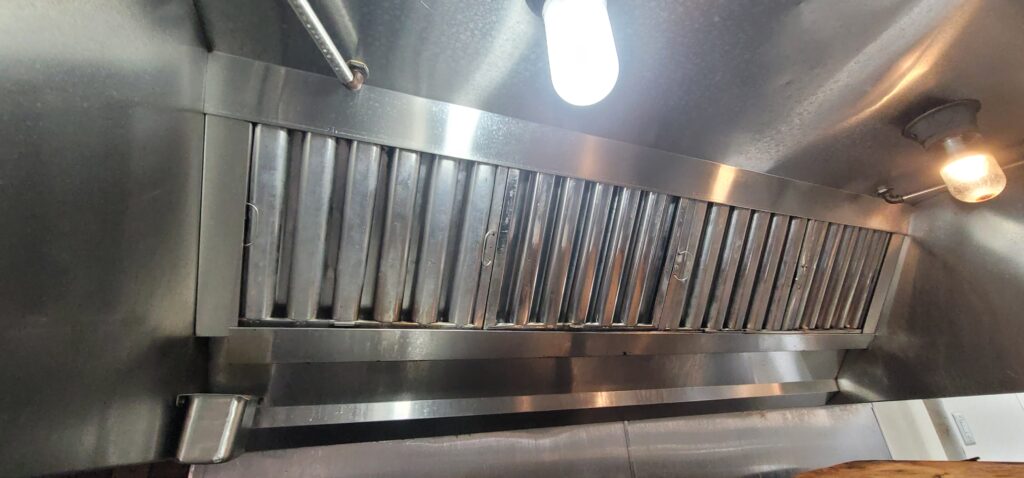
Premier Grease Saves You Time & Money
At Premier Grease, we understand that Orlando restaurant owners and kitchen managers are already managing more than enough. Our kitchen hood filter exchange program removes one more task from your list entirely. We handle the scheduling, the cleaning, the installation, and the documentation. Your staff doesn’t have to touch the filters, track exchange dates, or worry about whether your ventilation system is compliant. We take care of it so your team can stay focused on running your kitchen.
Orlando’s restaurant industry runs at full speed across all hours and all seasons. From the spring tourism surge that fills every dining room in the Historic District to the steady year-round hotel and event venue food service that keeps kitchens open around the clock, the exhaust systems in this city’s commercial kitchens work hard. Clean baffle filters are what keep those systems running efficiently through every service period.
- 24+ Years Experience
- Satisfaction Guaranteed
- Licensed, Bonded, Insured
- Free Estimates & Consultations
- Reliable Services You Can Count On
Send Us A Message
YES! We Reply To These Messages ASAP!
What Baffle Filters Do and Why Their Condition Matters
When filters are clean and properly maintained, the exhaust system operates as designed. Airflow is strong, grease capture is efficient, and the deeper components of your system stay cleaner between full hood cleanings. When filters become saturated, clogged, or structurally compromised, the picture changes across every part of the system:
- Airflow through the hood is restricted, causing heat and smoke to back up into the kitchen
- Grease bypasses the filter and travels deeper into your ductwork and exhaust fan, accelerating buildup throughout the system
- The interval between required full hood cleanings shortens because the deeper system gets dirtier faster
- Fire risk increases as grease-saturated filters sit directly above high-heat cooking equipment
- NFPA 96 compliance is compromised, creating exposure during fire and health inspections
- Cooking odors spread beyond the kitchen into dining areas and adjacent spaces
How Our Filter Exchange Service Works
Scheduled Exchange Visits
Filter Removal and Hood Inspection
Clean Filter Installation
Dirty Filter Handling
Service Documentation
NFPA 96 and Filter Compliance: What Orlando Operators Need to Know
Orlando fire inspectors apply NFPA 96 standards during routine inspections of commercial kitchen exhaust systems. A hood full of grease-heavy, misshapen, or missing filters creates immediate inspection risk and puts your operation on a path toward a violation notice, a reinspection requirement, and the compliance process that follows.
Beyond inspection risk, the fire hazard associated with saturated filters is real and direct. Grease-soaked filters positioned above open flames, high-heat burners, and commercial fryers are a fuel source in exactly the wrong location. In a market where the hospitality and tourism industries carry the reputational and operational stakes that Orlando’s does, that is not a risk worth carrying. Regular filter exchange, combined with scheduled full hood cleaning, is what keeps your exhaust system within NFPA 96 requirements continuously rather than just at the time of your last cleaning.
How Often Should Orlando Kitchens Exchange Their Filters?
- Monthly: High-volume resort and hotel kitchens, fryer-heavy operations, solid fuel and charbroiler-intensive cooking, 24-hour concepts, and theme park food service facilities
- Every 6 to 8 weeks: Busy full-service restaurants, hotel outlets, and catering kitchens with consistent daily cooking output
- Quarterly: Moderate-output operations including casual dining restaurants, corporate cafeterias, and lower-volume food service facilities
- As needed basis with inspection: Seasonal or limited-schedule operations where exchange frequency depends on actual cooking activity rather than a fixed calendar
Serving Orlando's Commercial Kitchens From the Resort Corridor to the Suburbs
- International Drive: One of the most active dining corridors in the state, with hotel restaurants, entertainment-driven concepts, and tourist-oriented chains running at full capacity year-round. I-Drive kitchens benefit from frequent filter exchange to manage the grease load their output generates.
- Orlando Resort Corridor: The area surrounding Walt Disney World, Universal Orlando, and SeaWorld contains some of the highest-volume commercial kitchens in Florida. These operations often require monthly filter exchange due to the scale and duration of their daily service, and we work with resort kitchen operators routinely.
- Downtown Orlando: A growing urban dining market with independent restaurants, hotel kitchens, and event venues. Downtown operators use our filter exchange program as part of a broader hood maintenance approach that keeps their exhaust systems compliant and performing consistently.
- Sand Lake Road and Restaurant Row: A dense concentration of upscale and casual dining concepts with consistent daily cooking volume. Regular filter exchange is standard practice for well-maintained kitchens throughout this corridor.
- Windermere and Dr. Phillips: Upscale and mid-range dining operators in this corridor maintain high standards across their kitchen operations. We provide reliable, well-documented filter exchange service that meets those standards.
- Lake Nona: One of Orlando’s fastest-growing communities, with new food service businesses opening regularly as residential and commercial development continues. We work with both newly established operators setting up their first maintenance programs and existing businesses building out a more complete exhaust system maintenance approach.
- Winter Park: An established and active dining market with a strong independent restaurant community. Winter Park kitchens use our filter exchange service to maintain hood performance between scheduled full cleanings.
- Kissimmee: A tourism-driven market with hotel restaurants and high-volume dining concepts serving a consistent visitor base. Kissimmee kitchens face the same output pressures as the resort corridor, and we service this area regularly.
- Surrounding Central Florida: Our service area covers Orange, Osceola, Seminole, and Lake counties. If you’re outside the core Orlando market, contact us to confirm coverage for your location.
Who Benefits From Filter Exchange Service
- Full-service restaurants: Independent and chain operations running daily service across all cuisine types and meal periods
- Resort and theme park kitchens: Large-scale operations with high-output cooking across multiple kitchen spaces and extended daily service hours
- Hotels and convention center kitchens: Multi-outlet hospitality operations with varying cooking styles and consistent grease output
- Fast food and quick-service restaurants: Fryer and grill-heavy operations that generate heavy grease output and require frequent filter attention
- Ghost kitchens and delivery-only concepts: High-output, compact kitchens where filter condition directly affects exhaust performance and compliance
- Corporate and institutional cafeterias: Compliance-driven operations with documentation requirements that regular filter exchange supports
- Food trucks: Mobile exhaust systems with limited filter capacity that need consistent, professional service
- Catering and event kitchen facilities: Variable-schedule operations that need flexible exchange arrangements
- Bars and entertainment venues with kitchens: Late-night cooking environments where grease accumulates quickly and filter maintenance often falls behind operational priorities
We're the single contact for all your grease needs!

Signs Your Filters Need Attention Before the Next Scheduled Visit
- Visible grease dripping from filters or the hood canopy during or after service
- Smoke is accumulating in the kitchen rather than being drawn cleanly into the hood
- Cooking odors are spreading into dining areas, hallways, or other parts of the building
- Kitchen temperatures noticeably higher than usual during service
- Grease streaking or pooling on the exterior surfaces of the hood
- Filters that appear visibly dark, warped, or structurally deformed
- A full hood cleaning that seems to be getting dirty again faster than expected
- An upcoming inspection with no recent filter service on record
What Sets Premier Grease Apart
- Correct Filter Sizing Every Time: We use filters properly sized and rated for your specific hood system. A filter that doesn’t fit correctly creates gaps and performance issues that negate the purpose of the exchange entirely. Correct sizing is a basic requirement that not every provider gets right.
- Consistent, Reliable Scheduling: We build your exchange visits into a recurring schedule and communicate ahead of each appointment. You don’t have to track it or follow up. The service happens when it should, documented and on record.
- Technicians Who Know What They’re Looking At: Our technicians understand commercial exhaust systems. A filter exchange visit is also an opportunity to observe the overall condition of your hood interior and flag anything that warrants attention before the next full cleaning. That kind of informed observation adds value to every visit.
- Coordination With Your Broader Maintenance Program: For clients who also use Premier Grease for hood cleaning, grease trap service, or used cooking oil collection, we coordinate filter exchange visits with your overall maintenance calendar. Fewer separate appointments, one consolidated record, one provider to contact.
- Full Service Documentation: Every visit is recorded with a service report. Your filter maintenance history is always current and available when inspectors, insurers, or health department officials need to see it.
- Experience With Orlando’s High-Volume Kitchens: We understand what high-output resort and hospitality kitchens demand. Our team has been servicing commercial exhaust systems in high-volume environments for over two decades, and that experience shows in how we approach every service visit.
Filter Exchange and Hood Cleaning: Two Parts of One System
For Orlando’s resort and high-volume hotel kitchens, where the scale and duration of cooking create grease accumulation rates that a full cleaning alone can’t keep pace with between scheduled visits, regular filter exchange is what keeps the overall system performing between those more intensive service events. At Premier Grease, we design maintenance programs for Orlando kitchens that pair filter exchange with hood cleaning at intervals appropriate for your specific operation. We also provide grease trap cleaning, used cooking oil collection, roof cleaning, restaurant deep cleaning, and dryer vent cleaning, covering every part of a comprehensive kitchen maintenance program through a single provider.
Ready to Set Up Your Filter
Exchange Program in Orlando?