
Grease Trap Cleaning Services in Savannah, GA - Premier Grease
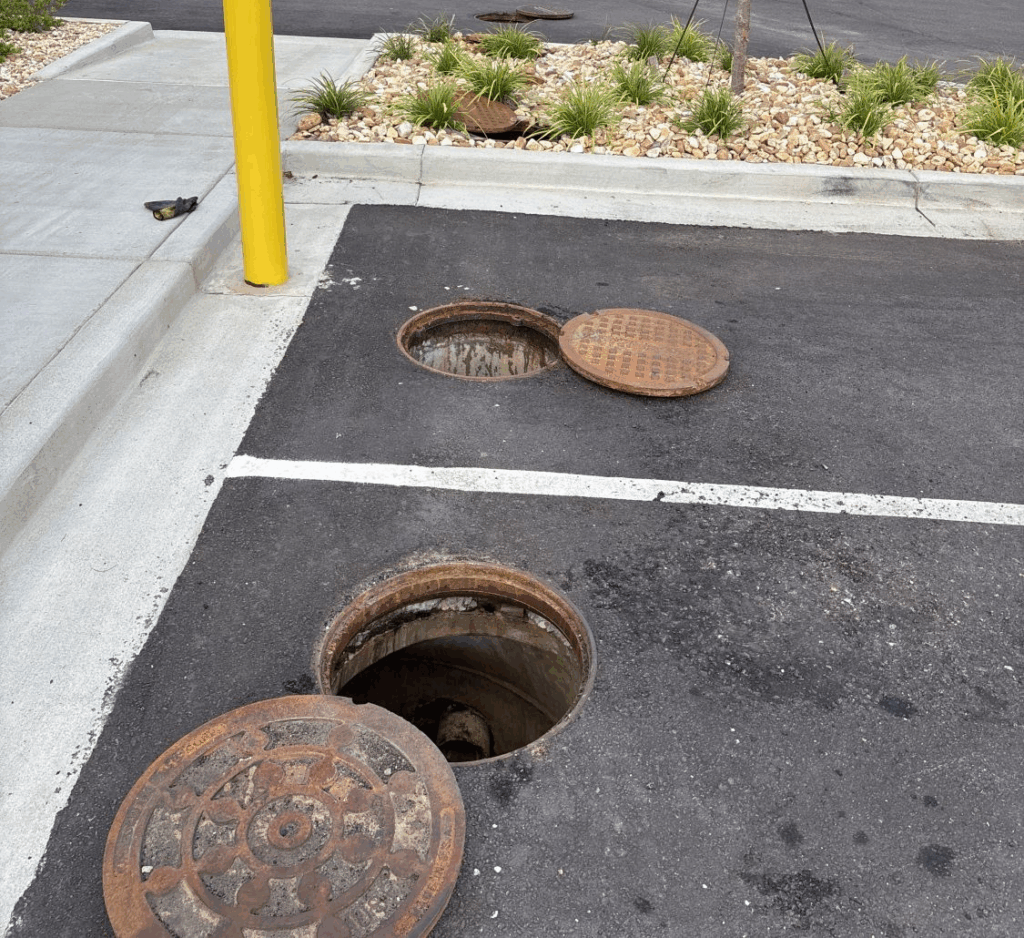
Premier Grease Saves You Time & Money
There’s nothing for your staff to manage, no compliance stress, and no surprises. Savannah’s food scene runs hard. From the early morning hotel breakfast service in the Historic District to the late-night dining crowd on River Street, commercial kitchens across this city are producing FOG constantly. Your grease trap is working every time your kitchen is open. Keeping it properly maintained is one of the most straightforward steps you can take to protect your operation from expensive disruptions.
- 24+ Years Experience
- Satisfaction Guaranteed
- Licensed, Bonded, Insured
- Free Estimates & Consultations
- Reliable Services You Can Count On
Send Us A Message
YES! We Reply To These Messages ASAP!
Why Grease Trap Cleaning Is Essential for Savannah Commercial Kitchens
- Prevent Backups & Overflows: Savannah’s warm, humid climate speeds up grease buildup, causing traps to fill faster. Without regular cleaning, this can lead to overflows, drain backups, and unexpected kitchen shutdowns. Routine maintenance keeps your system running smoothly and avoids costly disruptions.
- Stay Compliant: Savannah requires commercial kitchens to properly maintain and clean grease traps under local FOG regulations. Missing cleanings can lead to fines, failed inspections, and possible operational restrictions. Professional service ensures your business stays compliant and inspection-ready.
- Protect Infrastructure: Grease entering Savannah’s sewer system can harden and cause serious blockages. This damages the city’s historic infrastructure and leads to expensive repairs. Regular grease trap cleaning helps protect the community while keeping your kitchen responsible and efficient.
Our Grease Trap Cleaning Services Include
Full Grease Trap Pumping and Waste Removal
Interior Cleaning and Rinse
Baffle and Component Inspection
Hydro-Jetting for Drain Lines
Licensed Waste Disposal
Service Manifests and Compliance Documentation
Benefits of Professional Grease Trap Cleaning in Savannah
Eliminate Foul Odors
Keep Drains Flowing
Avoid Emergency Plumbing Costs
Stay Inspection-Ready
Protect Your Plumbing System
Why Choose Premier Grease for Grease Trap Cleaning in Savannah?
Licensed Hauler
Complete Cleaning
Savannah Kitchen Expertise
24/7 Emergency Service
Flexible Scheduling
One Provider for All Grease Needs
Our Grease Trap Cleaning Process in Savannah
1. Assessment and Inspection: Before pumping begins, our technicians inspect your grease trap or interceptor to evaluate the current level of FOG accumulation, the depth of settled solids, and the overall condition of the unit. We look at baffles, lids, inlet and outlet pipes, and access points to identify anything that needs attention beyond standard cleaning. This assessment shapes our approach and ensures nothing is overlooked.
2. Full Pumping and Waste Removal: Using specialized vacuum trucks, we pump out the complete contents of your grease trap: the top FOG layer, the wastewater column, and the settled solids at the bottom. Our complete removal approach is what separates a proper cleaning from a partial service that leaves accumulated waste behind and shortens the time before your trap fills up again.
3. Interior Cleaning and Rinse: After pumping, we clean the interior walls and components of the trap, removing residual grease and buildup from baffles, inlet pipes, and outlet pipes. This step removes the grease film that would otherwise accelerate new accumulation and keeps your trap working as efficiently as possible between service visits.
4. Baffle and Component Inspection: With the trap emptied and cleaned, we inspect the condition of baffles, lids, and access covers. Damaged baffles are one of the most common reasons grease passes through a trap and enters the sewer system. If we identify any issues, we document them and let you know so they can be addressed before they create a bigger problem.
5. Hydro-Jetting if Needed: For drain lines showing signs of grease restriction or partial blockage, we can perform hydro-jetting as part of the service visit. High-pressure water clears grease deposits from the interior of your pipes, restoring proper flow and removing the buildup that accumulates between trap cleanings.
6. Licensed Waste Disposal: All waste collected from your grease trap is transported in sealed, certified containers to a licensed processing facility. Disposal is handled in full compliance with Georgia EPD requirements and applicable federal environmental regulations. Your business is covered from collection through disposal.
7. Documentation and Waste Manifest: Before we leave your location, we provide a completed service manifest and report. This document confirms the date of service, the volume of waste removed, and the method of disposal. Keep it on file for Savannah health inspections, FOG compliance audits, and your own maintenance records.
How Often Should Savannah Restaurants Schedule Grease Trap Cleaning?
- High-Volume Kitchens (Every 30 to 60 Days): Full-service restaurants, hotel kitchens, high-volume waterfront dining operations, and fast-food locations throughout Savannah’s busiest corridors, including River Street, City Market, and the Southside commercial strip, generate significant FOG output daily. Monthly or bi-monthly cleaning keeps the trap well below the 25% FOG accumulation threshold required for compliance.
- Mid-Volume Kitchens (Every 60 to 90 Days): Casual dining restaurants, catering kitchens, and mid-size food service operations in neighborhoods like Midtown Savannah, Ardsley Park, and the Starland District typically fall in this range. A service every two to three months maintains clean, compliant operation without over-servicing.
- Lower-Volume Kitchens (Every 90 to 180 Days): Smaller cafés, coffee shops with limited food preparation, and low-output establishments in areas like the Victorian District or Tybee Island’s seasonal dining scene may be able to extend service intervals to quarterly or semi-annual. Even at lower output, grease still accumulates and the compliance requirement still applies.
- New or Changing Operations: If you’ve recently opened a new Savannah location, taken over an existing restaurant space, or changed your menu in a way that significantly affects your cooking oil usage, schedule a grease trap inspection before settling into a routine service interval. You don’t always know the condition of the system you’ve inherited, and it’s better to find out proactively than during a health inspection.
Grease Trap Cleaning for Savannah's Unique Restaurant Environment
- Historic Building Plumbing Configurations: A significant number of Savannah’s restaurants operate inside buildings that were constructed long before modern commercial plumbing standards were established. Older in-floor grease traps, non-standard pipe configurations, and limited access points are common in the Historic District and Victorian District. Premier Grease has the experience to work with these older systems, clean them properly given their configurations, and identify when a system’s design may be creating compliance challenges that need to be addressed.
- Tourism Seasonality and Volume Swings: Savannah’s restaurant industry is heavily influenced by tourism, which peaks in spring and fall. During high-traffic seasons, kitchens that operate at moderate volume for most of the year may see dramatically increased covers, more frying, and significantly higher FOG output. A cleaning schedule that works fine in January may not be adequate in March when St. Patrick’s Day brings hundreds of thousands of visitors to the city. Premier Grease helps you build a flexible schedule that accounts for those peaks rather than being caught off guard by them.
- Coastal Climate and FOG Decomposition: Savannah’s heat and humidity don’t just affect grease accumulation rates in your exhaust system. They also affect what happens inside your grease trap. Warmer temperatures speed up the biological activity that breaks down FOG, which can intensify odors and accelerate the production of hydrogen sulfide gas inside a trap that’s approaching capacity. Restaurants in Savannah often notice odor issues from their grease traps sooner than they might expect because of this, which is a signal that service frequency may need to be adjusted.
- Chatham County Wastewater Compliance: Savannah food service establishments are subject to Chatham County’s sewer use and FOG control requirements, which require grease interceptors to be maintained by licensed haulers and service records to be kept on-site. The county has the authority to inspect grease trap maintenance records and issue violations for non-compliant operations. Premier Grease keeps your records current and your system clean so those inspections are never a concern.
Warning Signs Your Savannah Grease Trap Needs Immediate Service
- Rotten-Egg or Sewer Odors Coming From Drains: Hydrogen sulfide gas produced inside a saturated trap is one of the most recognizable signs that your system is at or past capacity. This smell doesn’t go away on its own. It gets worse until the trap is pumped.
- Slow-Draining Sinks, Dishwashers, or Floor Drains: When grease starts restricting your drain lines, the first sign is usually slower drainage across your kitchen. If multiple drains are slow simultaneously, a full or overflowing grease trap is almost certainly the cause.
- Grease Visible in Drain Lines or Backing Up From Floor Drains: Grease appearing in your drain lines or backing up out of floor drains means your trap has exceeded its capacity and is no longer intercepting FOG. This is an emergency service situation. Call Premier Grease immediately at 1-800-880-1142.
- Recent Health Inspection Violation or Warning: If a Chatham County health inspector flagged your grease trap during a recent inspection, get it cleaned and documented before your re-inspection. Premier Grease offers same-week scheduling for restaurants that need to resolve compliance issues quickly.
- Cooking Odors Migrating Into Your Dining Room: When your grease trap is overdue, decomposing FOG can send odors through your drain system and into areas of your building far from the kitchen. If guests are commenting on unusual smells in your dining room, it’s worth checking your grease trap as a first step.
- It’s Been More Than 90 Days: For any busy Savannah commercial kitchen, three months without grease trap service is too long. Even if you haven’t noticed any obvious symptoms yet, schedule a cleaning if you’re approaching that threshold.
We're the single contact for all your grease needs!

Grease Trap vs. Grease Interceptor: What Does Your Savannah Kitchen Have?
- Grease Trap: A grease trap is a smaller unit, typically installed indoors beneath or near a prep sink or dishwasher. These units intercept grease close to its source before it enters the building’s drain lines. Because of their smaller holding capacity, indoor grease traps fill up faster and typically require more frequent cleaning, often monthly or bi-monthly for busy Savannah kitchens.
- Grease Interceptor: A grease interceptor is a larger, outdoor buried unit, usually made of concrete or fiberglass, installed between the kitchen and the municipal sewer connection. These systems handle higher FOG volumes and are standard for larger food service operations. While they don’t require service as frequently as smaller in-sink traps, they still need regular pumping and cleaning to remain effective and compliant.
Savannah Grease Trap Compliance: What the Regulations Require
- Chatham County FOG Control Requirements: Chatham County’s sewer use regulations require all food service establishments discharging to the public sewer system to maintain approved grease interceptors and keep them cleaned by a licensed hauler. Service records must be maintained on-site and made available for inspection.
- 25% Rule: The standard compliance threshold for grease trap cleaning is that the combined depth of FOG and settled solids should not exceed 25% of the trap’s total liquid capacity. Exceeding this threshold means your trap is no longer performing its intended function and is in violation of standard FOG control requirements.
- Licensed Hauler Requirement: Georgia law requires that grease trap waste be collected and transported by a licensed grease waste hauler. Using an unlicensed service provider or attempting to self-haul grease waste exposes your business to regulatory risk. Premier Grease is fully licensed in Georgia for grease waste collection, transport, and disposal.
- Record-Keeping: Savannah restaurants should maintain grease trap service manifests and cleaning records for a minimum of three years. These records are your documentation of compliance and are what inspectors ask for when evaluating your FOG management program. Premier Grease provides a complete manifest and service report after every visit.
- Consequences of Non-Compliance: Non-compliant grease trap management in Savannah can result in health code violations, fines from Chatham County wastewater enforcement, mandatory corrective action orders, and re-inspection fees. In serious cases involving repeated violations or sewer discharge incidents, operational restrictions can be imposed until compliance is demonstrated.
Savannah Neighborhoods and Areas We Serve
- Historic District and River Street – Waterfront restaurants, hotel kitchens, bars, and high-volume dining establishments in the heart of Savannah’s tourist and dining corridor
- City Market and Ellis Square Area – Restaurants and food service operations in one of Savannah’s most active entertainment and dining districts
- Forsyth Park and Victorian District – Neighborhood dining spots, cafés, and food businesses surrounding Savannah’s iconic park
- Starland District and Thomas Square – Independent restaurants, coffee shops, and food businesses in Savannah’s growing creative dining neighborhood
- Midtown Savannah – Commercial food service operations along Savannah’s midtown corridors
- Southside Savannah – Chain restaurants, hotel food service, and independent operators along Abercorn Street and Eisenhower Drive
- Pooler – Rapidly expanding restaurant development near the Pooler outlets and Interstate 16
- Richmond Hill – Restaurants and food service businesses in this growing Bryan County community south of Savannah
- Hinesville and Fort Stewart Area – Food service establishments serving the military community and surrounding Liberty County
- Statesboro – Restaurants and commercial kitchens in Bulloch County within our Savannah service radius
- Tybee Island – Year-round and seasonal restaurant operations on Georgia’s most popular beach community
Trust Premier Grease for Grease Trap Cleaning in Savannah, GA
Whether your grease trap is due for a routine cleaning, you’re dealing with a backup that needs immediate attention, you’ve received an inspection notice that requires corrective action, or you’re setting up a new Savannah location and need a FOG compliance program from the start, Premier Grease is the call to make. No contracts, no complications, just professional grease trap cleaning from a team that knows Savannah kitchens and Georgia regulations inside and out.
Call us 24/7 at 1-800-880-1142 or fill out our contact form to request service or a free estimate. We reply fast, because your Savannah kitchen can’t afford to wait.
Schedule Your Grease Trap Cleaning
Service in Savannah Today