
Why Kitchen Ventilation Matters for Atlanta Restaurant Staff and Customers

Article Summary Ventilation Is About People, Not Just Equipment Most of the conversation around commercial kitchen exhaust systems focuses on fire safety and regulatory compliance. Both are serious concerns, and both deserve the attention they receive. But there’s another dimension of exhaust system performance that gets less attention and affects Atlanta restaurant operations every service: the human dimension. Every person in your restaurant building is affected by how well your kitchen ventilation is working. The line cook working a five-hour dinner service in front of a charbroiler. The prep cook who arrives three hours before service to get the kitchen ready. The server who passes through the kitchen multiple times a night. The customer sitting at the table closest to the kitchen entrance. The guest at the bar who can see the kitchen pass-through. The customer at the corner table who chose your restaurant for a special occasion and expects the dining room to feel like a dining room rather than an extension of the kitchen. All of these people are affected by what happens inside the commercial exhaust system running above your cooking equipment. When that system is functioning properly, it does its job invisibly. Cooking vapors go up and out. Heat is removed from the kitchen environment efficiently. The dining room smells like food, not like fryer oil. Staff work in conditions that, while demanding, are at least physically manageable. When the system is running at reduced efficiency because of grease accumulation, the effects spread through the building in ways that affect every person in it. Understanding those effects, and understanding that professional hood cleaning in Atlanta is the most direct way to address them, reframes exhaust system maintenance from a compliance exercise to a people-first operational priority. How a Commercial Exhaust System Affects the People Inside the Building Before getting into the specific effects on staff and customers, it helps to understand the mechanism by which a commercial exhaust system shapes the environment for everyone in the building. A properly functioning exhaust system creates a controlled airflow environment in the kitchen. The exhaust fan draws air upward from the cooking surface, through the hood canopy, through the baffle filters, and into the duct system. This continuous upward draw captures cooking vapors, smoke, grease particles, heat, and moisture at the source, right above the cooking equipment where they’re generated, before they have a chance to spread through the kitchen. The pressure differential created by the exhaust system causes air to flow from the dining room toward the kitchen rather than from the kitchen toward the dining room. This directional flow keeps cooking odors, heat, and vapors contained in the kitchen environment. Customers in the dining room experience the kitchen’s presence primarily through the aromas of the food they ordered, not through the working conditions of the kitchen itself. When grease accumulation degrades the exhaust system’s performance, this controlled flow breaks down. Filters loaded with grease restrict airflow and reduce capture velocity at the cooking surface. A grease-accumulated exhaust fan moves less air than its rated capacity. The pressure differential decreases. Cooking vapors, smoke, and heat that should be captured at the cooking surface instead spread through the kitchen and, eventually, into the dining room. This is the mechanism that connects exhaust system maintenance directly to the experience of every person in the building. The Impact on Kitchen Staff Restaurant kitchen staff are the people most directly and continuously affected by exhaust system performance. They work in the kitchen for entire service periods, often through multiple services in a single day. The conditions created by a poorly functioning exhaust system are conditions they experience for hours at a time, with no ability to leave the environment during the shift. Heat and Physical Stress A commercial kitchen is already a physically demanding environment. Cooking equipment generates substantial heat, and kitchen staff work in proximity to that equipment throughout every service. A properly functioning exhaust system actively removes heat from the kitchen environment as part of its normal operation. The exhaust fan pulling air through the system draws warm air upward and out of the building, contributing to the kitchen’s heat management alongside the HVAC system. When grease accumulation reduces the exhaust system’s airflow output, less heat is being removed from the kitchen environment during service. The kitchen runs hotter than it would with a properly maintained system. In Atlanta’s summer months, when ambient temperatures are already high, and the combination of outdoor heat and kitchen equipment output pushes kitchen temperatures into uncomfortable ranges, a compromised exhaust system can make the difference between a demanding but manageable working environment and one that creates genuine heat stress concerns for staff. Heat stress in commercial kitchen workers is a documented occupational health issue. It reduces physical performance, impairs concentration and decision-making, accelerates fatigue, and in severe cases creates medical risks. The kitchen staff working a Saturday dinner service in a poorly ventilated Atlanta kitchen in August are experiencing something different from those working the same service in a kitchen with a properly maintained exhaust system, and that difference shows up in how they perform and how they feel at the end of the shift. Air Quality and Respiratory Health A kitchen exhaust system that’s capturing cooking vapors at its designed efficiency is actively maintaining the air quality in the kitchen environment. Cooking produces a range of airborne byproducts beyond visible smoke, including fine grease particles, combustion gases from gas cooking equipment, vaporized cooking oils, and moisture. A well-maintained exhaust system captures and removes these byproducts at the source. When the exhaust system’s capture efficiency decreases because of grease-loaded filters and a struggling exhaust fan, more of these airborne byproducts remain in the kitchen air during service. Kitchen staff breathe this air throughout their shifts. The long-term occupational health implications of working in environments with elevated levels of cooking-related airborne particles and gases are real, even if they develop gradually and are difficult to attribute clearly in any individual case. The more immediate
The Role of Exhaust System Cleaning in High-Volume Atlanta Restaurants
Article Summary Atlanta’s Busiest Kitchens Are Running Hard Every Service Atlanta’s restaurant industry operates at a scale and pace that most people outside the food service sector don’t fully appreciate. The city’s combination of a robust convention and hospitality sector, a dense neighborhood restaurant culture, a celebrated culinary scene, and a diverse dining community creates commercial kitchen conditions that put exhaust systems under sustained, intense pressure year-round. The hotels surrounding the Georgia World Congress Center run banquet kitchens that can serve thousands of covers during large conventions. The steakhouses along Peachtree Road and through the Buckhead corridor run charbroilers through two full-service seatings every night. The wok-heavy restaurants along Buford Highway operate multiple high-output burners simultaneously through service hours that extend well into the evening. The barbecue and live-fire concepts that have opened throughout neighborhoods like Westside, Summerhill, and Ponce City Market’s surroundings burn wood and charcoal through every service. Ghost kitchen facilities in Atlanta’s commercial corridors run multiple virtual restaurant concepts simultaneously around delivery demand peaks. These operations share a common characteristic: they’re generating grease vapor at rates that accumulate in exhaust systems far faster than a standard cleaning schedule accounts for. For high-volume Atlanta kitchens, hood cleaning isn’t simply a regulatory obligation to be managed at minimum frequency. It’s a continuous operational necessity that directly affects fire safety, kitchen performance, staff working conditions, and the restaurant’s relationship with Atlanta’s fire inspection framework. Understanding the specific role that exhaust system cleaning plays in high-volume Atlanta kitchens, how the demands of these operations differ from lower-volume cooking, and what a genuinely effective cleaning program looks like for the busiest kitchens in the city is practical knowledge that pays off every service. What Makes a Kitchen “High-Volume” Under NFPA 96 The term “high-volume” in the context of commercial kitchen exhaust systems has a specific meaning under NFPA 96, and it’s worth being precise about what qualifies a kitchen for the monthly cleaning requirement rather than the quarterly interval that many Atlanta operators default to. NFPA 96 classifies kitchens requiring monthly cleaning based on cooking type and operational characteristics rather than simply on how many covers a restaurant serves. The monthly classification applies to: The practical point for Atlanta restaurant operators is that the monthly classification is more broadly applicable than many operators assume. A full-service restaurant running charbroilers as part of its cooking equipment is a monthly kitchen under NFPA 96 even if overall volume is moderate. A ghost kitchen running multiple concepts simultaneously may be a monthly kitchen based on cumulative cooking volume even if no single concept is particularly high-volume in isolation. How High-Volume Kitchens Accumulate Grease Differently The grease accumulation dynamics in a high-volume Atlanta kitchen are different from those in lower-volume operations in ways that affect every aspect of the exhaust system’s maintenance needs. Understanding these differences clarifies why the same cleaning approach that works for a moderate-volume operation is genuinely inadequate for a high-volume one. Accumulation Rate In a high-volume kitchen running charbroilers, wok burners, or solid-fuel equipment through extended service hours, significant grease accumulation in the exhaust system can develop within days of a professional cleaning. The baffle filters begin loading almost immediately. The plenum accumulates a visible grease coating within the first week of post-cleaning service. The duct interior develops new deposits at directional changes and horizontal sections from the first cooking service after the cleaning. By the two-week mark in a high-volume kitchen, the system has progressed meaningfully from the baseline established by the cleaning. By the three-week mark, the accumulation is approaching levels that represent a fire safety concern. By the four-week mark, the NFPA 96 requirement for monthly cleaning reflects the reality that the system has reached the point where a professional cleaning is needed to reset it to a safe condition. This is the timeline that monthly cleaning is designed to address. A quarterly cleaning schedule applied to this kitchen isn’t a moderate reduction in cleaning frequency. It’s a schedule under which the system spends two out of every three months in a state of accumulation above the safe threshold. Chemical Properties of Deposits High-volume kitchens don’t just accumulate more grease faster. The nature of the deposits they produce has characteristics specific to high-temperature, high-output cooking that affect both fire risk and cleaning difficulty. Charbroiler grease deposits contain a higher proportion of animal fats than deposits from lower-temperature cooking methods. Animal fats have different oxidation and polymerization characteristics than vegetable oils, producing deposits that harden and darken more aggressively through repeated heating cycles. A duct system in a charbroiler-heavy kitchen that’s been running without cleaning for several months has deposits with a consistency and chemical profile that’s meaningfully more difficult to clean than the deposits in a moderate-volume kitchen on the same timeline. Solid-fuel cooking operations add carbon particulate from combustion to the grease deposits in the exhaust system. The combination of carbon particulate and cooking grease creates a complex, tenacious deposit that adheres more strongly to duct surfaces than grease alone and requires more aggressive chemical treatment to remove completely. These deposit characteristics mean that cleaning a high-volume kitchen that’s overdue is a more intensive process than cleaning a moderate-volume kitchen that’s overdue by the same amount of time. It takes longer, requires stronger chemical treatment, and may require mechanical scraping at specific locations. This is part of why maintaining the monthly schedule, which keeps the deposits from reaching the hardened, polymerized state, is more cost-effective than deferring cleanings and dealing with the more intensive work required to address advanced accumulation. Exhaust Fan Load The exhaust fan in a high-volume kitchen is under more stress than in a lower-volume operation. More grease vapor in the exhaust airstream means more grease depositing on the impeller blades per hour of operation. The fan imbalance from uneven blade accumulation develops faster. The bearing wear from that imbalance progresses faster. An exhaust fan in a high-volume charbroiler kitchen that’s cleaned monthly has its impeller cleaned back to bare metal at regular, relatively
How Atlanta Restaurants Can Reduce Kitchen Downtime with Preventive Exhaust Maintenance
Article Summary Downtime Is the Restaurant Industry’s Most Expensive Problem Ask any Atlanta restaurant operator what their single worst operational nightmare looks like, and the answers share a common thread. It’s not a bad review. It’s not a slow Tuesday. It’s a Saturday night at full capacity when something fundamental stops working and the kitchen can’t function. Downtime in a commercial kitchen isn’t just inconvenient. It’s immediately, directly, and measurably expensive. Every hour a kitchen is closed during a period when it should be serving is revenue that doesn’t exist. Staff who show up for a shift that the kitchen can’t run still need to be compensated or sent home, creating payroll complications either way. Reservations get canceled. Delivery orders get refunded. Regulars go somewhere else and may not come back. The downstream reputational cost of a sudden closure during a busy period extends well beyond the hours the kitchen was actually down. The restaurant industry runs on thin margins. The downtime that comes from an emergency repair, a forced compliance closure, or a fire event isn’t absorbed easily into a budget that was already tight. For many Atlanta restaurants, a single significant unplanned downtime event in a high-revenue period can erase weeks of operating profit. What makes this particularly relevant to exhaust system maintenance is that a substantial share of restaurant operational downtime is directly preventable. Not all of it, but a meaningful portion of the downtime events that hit Atlanta commercial kitchens hard trace back to exhaust system failures that a consistent preventive maintenance program would have caught and addressed before they became emergencies. This article covers the specific downtime risks that exhaust system neglect creates for Atlanta restaurants, how preventive maintenance addresses each one, and what a practical preventive maintenance program looks like in a working commercial kitchen. Understanding the Downtime Risk Categories Before getting into specific maintenance practices, it helps to understand the categories of downtime that exhaust system issues create in Atlanta commercial kitchens. Each category has its own trigger, its own timeline, and its own cost profile. Inspection-Driven Downtime When an Atlanta fire inspector visits a commercial kitchen and finds violations serious enough to require immediate correction, the result can be a direction to cease cooking operations until the problem is fixed. This is the most abrupt form of inspection-driven downtime, and it happens in Atlanta commercial kitchens more often than most operators realize. Exhaust system violations are among the most common causes of this outcome. A kitchen with significant grease accumulation in the hood and duct system, an overdue cleaning schedule, and missing documentation presents a picture of systemic maintenance failure that inspectors take seriously. When the physical condition of the system represents an immediate fire risk, the inspector’s authority to require cessation of cooking operations exists specifically for that scenario. The timeline for inspection-driven downtime varies. A kitchen that can demonstrate it’s scheduling an emergency professional cleaning immediately may be able to resume operations within hours. A kitchen with structural violations that require contractor work may face a longer closure. Either way, the lost revenue during the correction period is entirely avoidable with consistent preventive maintenance. Mechanical Breakdown Downtime The exhaust fan is a mechanical system with components that wear over time. Bearings degrade. Belts wear and slip on belt-drive units. Motor windings deteriorate in hot, grease-laden environments. Any of these failure modes can take the exhaust fan offline, and when the fan goes down, the kitchen’s ventilation is compromised to the point where cooking may not be able to safely continue. Mechanical breakdown downtime tends to arrive without warning because the warning signs develop gradually and are easy to miss if nobody is monitoring the system. An exhaust fan that’s been getting progressively louder, running with increasing vibration, and moving less air than its rated capacity isn’t giving a single dramatic signal that failure is imminent. It’s giving a series of gradual signals that add up to the same thing. The cost profile of mechanical breakdown downtime includes the emergency repair or replacement cost, which is higher than planned maintenance because it requires urgent scheduling and may require expedited parts procurement, plus the revenue lost while the fan is down and the kitchen can’t operate. Grease Fire Downtime A grease fire that originates in the exhaust system is the most severe downtime scenario and the one with the most unpredictable cost profile. A duct fire that spreads to the building structure, damages kitchen equipment, or requires fire department response creates a recovery timeline that can run from days to months depending on the severity. The financial consequences include equipment replacement, building repair, insurance claims processes, staff disruption, and in some cases permanent loss of the customer base that was built during the years before the closure. This is the scenario that NFPA 96’s cleaning requirements exist to prevent. Grease accumulation in the duct system is the fuel source for duct fires. Keeping that accumulation below the ignition threshold through regular professional cleaning is the primary mechanism for eliminating this downtime risk. Operational Performance Downtime This category is less dramatic than the others but more continuous in its impact. A kitchen whose exhaust system is running at reduced efficiency because of grease accumulation isn’t necessarily closed, but it’s operating at a performance level below what it’s capable of. The kitchen runs hotter. Staff work less efficiently and may call out sick more frequently. Cooking quality is inconsistent because the ventilation isn’t supporting cooking equipment performance at its designed level. Service slows. This form of downtime doesn’t show up as a single event with a clear cost. It shows up as a cumulative drag on operational performance that’s difficult to attribute to its source because the source is invisible during normal service. But it’s real, it’s measurable in aggregate, and it’s directly preventable through exhaust system maintenance. How Preventive Maintenance Addresses Each Downtime Risk Preventive exhaust maintenance addresses each of the downtime categories above through specific, targeted actions. Understanding the connection between
What Is Included in a Commercial Hood Cleaning Service?
Article Summary Why Knowing What’s Included Matters Most Atlanta restaurant operators schedule hood cleaning because they know it’s required. The fire inspector expects it. The NFPA 96 standard mandates it. The service sticker on the hood is evidence it happened. But knowing that hood cleaning is required and knowing exactly what a compliant hood cleaning service includes are two different things, and the gap between them is where compliance failures most frequently develop. The phrase “hood cleaning” is part of the problem. It implies a service focused on the hood, the visible canopy above the cooking equipment that most operators think of when they think about exhaust system maintenance. In reality, the hood is only one component of a complete exhaust system, and the components that present the most serious fire risk are the ones that aren’t visible from the kitchen floor during normal service. A professional commercial hood cleaning service covers the entire exhaust pathway, from the cooking surface to the rooftop discharge. Every component in that pathway accumulates grease during cooking operations, and every component needs to be cleaned to bare metal to satisfy NFPA 96’s requirements. A service that cleans some components but skips others isn’t a compliant cleaning, regardless of what the sticker on the hood says. This article works through every component included in a complete commercial hood cleaning service, explains what each component does and why it accumulates grease, and describes what the cleaning of each component involves. By the end, Atlanta restaurant operators should be able to look at any hood cleaning quote or service description and evaluate immediately whether it covers what compliance actually requires. The Exhaust System: A Component-by-Component Overview Before getting into what cleaning each component involves, it helps to understand how the components connect to each other as a system. Grease-laden air from the cooking surface travels upward through the hood into the plenum, through the baffle filters, into the duct system, through the ductwork to the rooftop, and out through the exhaust fan. At every stage of this journey, grease deposits on the surfaces it contacts. A complete hood cleaning service addresses every stage of that journey. Here’s what that means for each component. The Hood Canopy What It Is The hood canopy is the enclosure that hangs above the cooking equipment and captures the rising column of heat, smoke, and grease vapor produced during cooking. It’s the most visible part of the exhaust system and the component most people think of when they hear “hood cleaning.” The canopy is constructed of sheet metal and is sized and positioned to overhang the cooking equipment by specified dimensions that ensure cooking vapors are captured rather than escaping into the kitchen. The interior of the canopy is a grease-accumulating environment from the first moment cooking begins beneath it. Why It Accumulates Grease Grease-laden cooking vapors rise from the cooking surface and enter the hood canopy before passing through the baffle filters. As these vapors contact the interior metal surfaces of the canopy, grease particles deposit and accumulate. The rate of accumulation depends on cooking volume, cooking type, and how efficiently the airflow is drawing vapors through the system. In high-volume Atlanta kitchens running charbroilers or wok burners, visible grease accumulation on the interior hood surfaces can develop within days of a professional cleaning. The exterior face of the canopy also accumulates grease from the cooking environment below, particularly when the system’s capture efficiency has decreased due to filter loading or fan performance issues. What the Cleaning Involves Professional cleaning of the hood canopy covers all interior surfaces of the canopy enclosure. The technicians apply commercial alkaline degreasing solution to the interior surfaces, allow appropriate dwell time for the solution to break down the accumulated grease, and pressure wash with hot water to remove both the solution and the loosened deposits. The target is bare metal throughout. A canopy surface that looks cleaner after cleaning but still has a grease film or residue coating hasn’t met NFPA 96’s bare-metal standard. The exterior face of the hood is also cleaned as part of this process, removing the grease residue that accumulates on the outside surfaces. Before-and-after photographs of the hood interior are a standard deliverable of professional cleaning and provide visual confirmation that bare metal was achieved. The Plenum Chamber What It Is The plenum is the internal chamber inside the hood canopy, located between the interior face of the canopy and the baffle filter rack. It’s the space where cooking vapors collect after entering the hood and before being drawn through the filters. The plenum isn’t visible from below during normal operations, but it’s one of the heaviest grease accumulation zones in the entire exhaust system. Why It Accumulates Grease As cooking vapors enter the hood and spread across the plenum area before being concentrated into the filter sections, the change in airflow velocity causes grease particles to fall out of suspension and deposit on the plenum’s interior surfaces. Because the plenum is enclosed and exposed to the full volume of cooking vapor entering the system, grease accumulates rapidly in this area. Atlanta fire inspectors who evaluate hood condition look into the plenum during inspections. Significant grease accumulation on plenum surfaces is a direct indicator that the cleaning interval is inadequate for the cooking volume or that previous cleanings weren’t thorough. What the Cleaning Involves The plenum is cleaned as part of the hood canopy cleaning process. With the baffle filters removed, the technicians have full access to the plenum interior surfaces. Degreasing solution is applied, dwell time is allowed, and pressure washing removes the deposits. The corners and joints of the plenum, where grease tends to accumulate most heavily due to airflow patterns, receive particular attention. Baffle Filters What They Are Baffle filters are the removable grease separation panels installed in the filter rack inside the hood. They’re positioned directly above the cooking equipment and are the primary grease capture mechanism in the exhaust system. Most commercial kitchen hoods
How to Compare Hood Cleaning Quotes in Atlanta
Article Summary Why Comparing Quotes Is Harder Than It Looks Getting multiple quotes for a service before making a decision is good business practice. For most services, comparing quotes is relatively straightforward: you’re buying a defined commodity, the scope is essentially the same across providers, and price is a meaningful differentiator. Hood cleaning in Atlanta doesn’t work that way. The scope of what different companies include in their standard service varies significantly, and that variation is almost never clearly spelled out in the quote itself. A company quoting $150 for a hood cleaning and a company quoting $400 for the same kitchen are probably not quoting the same service. But the quotes may look identical on paper, listing the same general service description and differing only in price. That ambiguity creates a real problem for Atlanta restaurant operators trying to make an informed decision. If you choose the lower quote and it turns out to cover only the visible hood surfaces, you’ve paid for a cleaning that leaves the duct interior and the exhaust fan untouched, generates a service sticker and an invoice that look legitimate, and does nothing to address the fire risk or satisfy the NFPA 96 compliance requirement that Atlanta fire inspectors enforce. Understanding how to compare quotes accurately means understanding what a complete hood cleaning service should include, what questions to ask every provider, and how to evaluate the answers. That’s what this article covers. What a Complete Hood Cleaning Quote Should Cover Before evaluating any specific quote, it helps to have a clear picture of what a complete, NFPA 96-compliant hood cleaning service involves. The scope of a compliant cleaning is the baseline against which every quote should be measured. A professional hood cleaning service that satisfies NFPA 96 requirements covers the entire exhaust system pathway, from the cooking surface to the rooftop discharge. The components that should be included in a complete cleaning are: Any quote that doesn’t cover all of these components isn’t a quote for a complete, NFPA 96-compliant cleaning. It may be a quote for a legitimate partial service that has a place in kitchen maintenance, but it’s not the same thing, and it won’t satisfy the standard that Atlanta fire inspectors apply. The Real Reason Quotes Vary So Much When Atlanta restaurant operators see a significant price spread between hood cleaning quotes for the same kitchen, the most common explanation is scope variation rather than price gouging or unusual efficiency. Here’s how the economics of the service break down. A complete hood cleaning service requires a crew to spend several hours at your kitchen. That time covers the full service sequence from pre-cleaning inspection and equipment protection through hood cleaning, filter cleaning, duct cleaning, exhaust fan cleaning, rooftop cleaning, cleanup, and documentation. For a standard single-hood commercial kitchen, a complete service takes somewhere in the range of two to four hours depending on the system’s size and grease accumulation level. For larger or more complex systems, it takes longer. The material costs of a compliant cleaning include commercial alkaline degreasing agents, hot water consumption, protective sheeting, grease collection and disposal, and the documentation materials for the service report and photographs. A company that limits its scope to the visible hood surfaces and filters can complete a service in significantly less time and with fewer materials. Less time plus fewer materials equals a lower quote. The price difference between a complete-system cleaning and a hood-and-filter cleaning isn’t arbitrary. It reflects the difference in what’s actually being done. This is why a quote that seems unusually low for a complete system cleaning should prompt specific questions about scope rather than straightforward acceptance. The most likely explanation for a very low quote isn’t that you’ve found an exceptionally efficient and well-run company. It’s that the quote doesn’t cover what you think it covers. Getting Quotes the Right Way The most common mistake Atlanta restaurant operators make when collecting hood cleaning quotes is asking “how much do you charge for hood cleaning?” without specifying the scope. That question invites a response priced to whatever scope the company defaults to, which may or may not cover the complete system. A better approach is to specify the scope you’re asking about before the company quotes a price. The Right Way to Request a Quote When contacting hood cleaning companies for quotes, frame the request this way: “I’m looking for quotes on a professional hood cleaning service for my commercial kitchen. I need the service to cover the complete exhaust system, including the hood interior and plenum, baffle filters, grease collection components, the duct interior through the access panels, the rooftop exhaust fan, and the rooftop discharge area, all cleaned to bare-metal standard per NFPA 96. Can you provide a quote for that scope of work?” This framing does two things. It tells the company exactly what you’re asking for so there’s no ambiguity about scope. And it signals that you understand what a compliant cleaning involves, which tends to produce more honest responses from companies that might otherwise quote for a narrower scope without disclosing it. Information to Provide When Requesting a Quote To get an accurate quote, provide the following information about your kitchen: This information allows the company to provide a quote that reflects the actual scope and condition of your system. A quote generated without this information is an estimate that may change significantly when the crew arrives and assesses the actual system. Questions to Ask Every Company Before Accepting a Quote The questions below, asked directly of every company you’re evaluating, will reveal more about the quality of the service than any amount of online research. Ask them in every quote conversation and compare the answers across providers. “Does your service include the duct interior, accessed through the access panels?” The duct interior is the component most commonly excluded from incomplete hood cleaning services. A company performing a compliant service will answer yes without hesitation and should be able to describe
How to Prepare Your Restaurant for Professional Hood Cleaning
Article Summary Why Preparation Makes a Real Difference Professional hood cleaning is a service that runs better when the kitchen is ready for it. The cleaning crew arrives equipped to do a thorough job, but they’re working in your kitchen, around your equipment, and within the time window your schedule allows. The more organized and prepared the kitchen is when they walk in, the more efficiently they can work, and the better the results. The opposite is also true. A kitchen where equipment is still hot, food is stored under the cooking line without protection, the rooftop access requires tracking down a key nobody can find, and the manager isn’t sure what the crew needs to do is a kitchen where the cleaning starts late, takes longer, and may not cover everything it should because the crew spent time working around preventable obstacles. None of the preparation steps in this article require significant effort. Most of them are things that can be done in the last 30 to 60 minutes of a shift, incorporated naturally into the closing routine. But they make a meaningful difference to how the service goes, and Atlanta restaurant operators who build a consistent pre-cleaning routine find that hood cleaning day becomes a low-stress, predictable event rather than a last-minute scramble. This guide covers every preparation step that matters, organized in the order they should happen, with enough detail that any kitchen manager can hand off the kitchen to a professional cleaning crew confidently. Start With the Basics: Know What’s Coming Before getting into the physical preparation of the kitchen, there are a few things every Atlanta restaurant operator should confirm before cleaning day arrives. Confirm the Service Details in Advance A day or two before the scheduled cleaning, confirm the following with your hood cleaning company: Confirming these details in advance prevents the kind of morning-of surprises that delay the start of the service or require last-minute coordination. Have Previous Service Documentation Accessible Professional cleaning companies often reference the notes and photographs from previous service visits when planning the current one. Having your most recent service report accessible on the night of the cleaning, or knowing where to find it quickly, allows the crew to review any observations from the last visit and come prepared for areas that needed attention. If this is a first-time service with a new company, having whatever documentation exists from the previous cleaning provider is still useful. It gives the crew context for the system’s maintenance history and helps them calibrate their approach for the current accumulation levels. Confirm Who Will Be Present Someone in the management team should be present or reachable throughout the cleaning service. This person is responsible for providing access to the kitchen and rooftop, answering questions the crew might have during the service, receiving the service report and documentation when the cleaning is complete, and reviewing any observations or recommendations the crew identifies during the visit. In Atlanta’s busy restaurant market, where managers are often working late shifts and the cleaning is scheduled for after closing, it’s worth confirming in advance who is staying and making sure they have everything they need to facilitate the service. Shutting Down Cooking Equipment Properly Equipment shutdown is the most time-sensitive preparation step, and it’s one where timing matters. The cleaning crew needs your cooking equipment to be off and cooled before they can begin the cleaning process safely. Why Cooling Time Matters Professional hood cleaning involves applying chemical degreasing agents and water to surfaces in and around the cooking equipment. Hot surfaces create safety hazards for the cleaning technicians and can cause chemical cleaning agents to react differently than intended. A fryer that’s been running until 30 minutes before the cleaning crew arrives isn’t safe to work around. The industry standard is to have all cooking equipment under the hood shut down and cooled for at least one hour before the cleaning crew arrives. For equipment that retains heat longer, including large fryers, flat-top griddles, and solid-fuel cooking equipment like wood-fired ovens, a longer cooling period is better. Equipment Shutdown Checklist When the last service of the night wraps up, work through this shutdown sequence before leaving the kitchen to the cleaning crew: Clearing and Protecting the Work Area The area around the cooking line and the hood is the primary work zone during a professional hood cleaning service. Clearing it properly allows the crew to set up their equipment efficiently and protects the things in that area that shouldn’t be exposed to water and cleaning chemicals. Clearing the Cooking Line Remove the following from the immediate cooking line area before the cleaning crew arrives: Protecting Fixed Equipment Some equipment in the work zone can’t be moved easily but still needs to be protected from the water and chemicals involved in cleaning. This is where protective sheeting becomes important. If the cleaning company is supplying their own protective sheeting, they’ll handle this setup when they arrive. If the kitchen is expected to have covers available, prepare them in advance: Even when the cleaning company provides their own sheeting, moving portable items away from the work zone in advance speeds up their setup time. Protecting Food Storage Areas Any food storage areas adjacent to the cooking line, including lowboy refrigerators built into the cooking line, undercounter storage, and open shelving near the hood, should be cleared or covered before the cleaning begins. Grease-laden water from the cleaning process can travel further than expected, and food or food contact surfaces that get contaminated during the cleaning create health and safety concerns. Walk-in coolers and freezers adjacent to or accessible from the kitchen should have their doors kept closed during the cleaning service. If a walk-in is within the work zone of the hood cleaning, confirm with the crew how they plan to handle proximity to those areas. Arranging Rooftop Access The exhaust fan cleaning is a required component of a complete professional hood cleaning service, and it happens on
Professional Hood Cleaning in Atlanta: A Complete Guide to the Process, Scope, and What to Expect
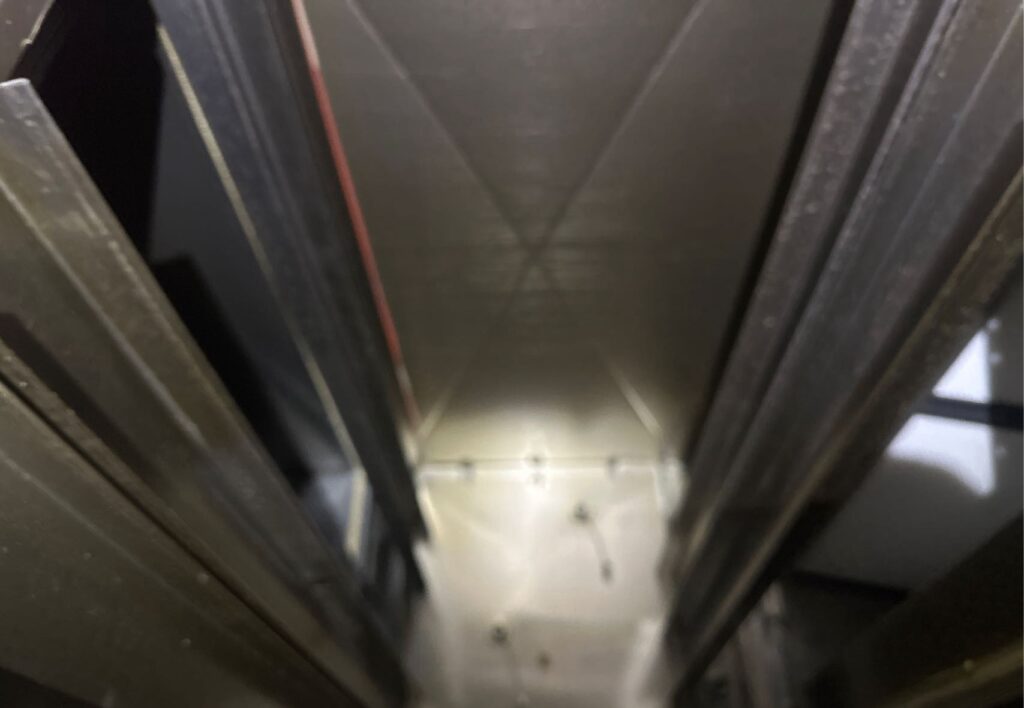
Article Summary Why Professional Hood Cleaning Matters for Atlanta Restaurants Running a commercial kitchen in Atlanta means managing a continuous grease problem. Every cooking service, regardless of what’s on the menu or how busy the night is, produces grease vapor that rises from the cooking surface, travels through the exhaust system, and deposits on every surface it contacts along the way. That process doesn’t stop between services, and it doesn’t slow down just because the cleaning schedule hasn’t kept pace with it. Grease Buildup Grease accumulation in a commercial kitchen exhaust system is a gradual, continuous process. It starts at the baffle filters immediately above the cooking surface, where grease particles are captured and build up layer by layer with each service. It continues into the plenum chamber behind the filters, where deposits develop on the interior surfaces of the hood. It extends into the duct system, where grease coats the interior walls throughout the pathway from the hood to the rooftop. And it reaches the exhaust fan, where deposits accumulate on the impeller blades and eventually escape onto the rooftop surface around the fan discharge. In a high-volume Atlanta kitchen, this accumulation happens quickly. A charbroiler-heavy steakhouse in Buckhead running two service seatings six nights a week generates grease vapor at a rate that can produce significant accumulation within weeks. A wok-heavy restaurant on Buford Highway with multiple high-output burners running through extended hours is in a similar position. Even kitchens with moderate cooking volumes accumulate grease on a timeline that makes regular professional cleaning a practical necessity. Fire Safety Concerns Grease is flammable. When deposits inside a commercial exhaust system reach sufficient depth and are exposed to the heat generated by cooking operations, the conditions for ignition develop. A grease fire that starts inside a duct system is particularly dangerous because the duct carries the fire upward through the building rather than containing it at the cooking surface. Duct fires generate intense heat and can spread to the surrounding building structure before a suppression system discharge can address them. The Atlanta Fire Rescue Department and Fulton County Fire and Emergency Services enforce fire safety standards for commercial kitchens specifically because grease-related fires are among the most damaging events that commercial cooking operations experience. Professional hood cleaning, performed at the frequency appropriate to the kitchen’s cooking type and volume, is the primary preventive action that keeps grease accumulation below the threshold that creates meaningful fire risk. Ventilation Performance A commercial kitchen exhaust system that’s loaded with grease isn’t just a fire hazard. It’s a ventilation system running below its designed performance level. Grease-loaded baffle filters restrict the airflow that drives the hood’s capture velocity. An exhaust fan with grease deposits on the impeller blades is moving less air than its rated capacity. A kitchen where the exhaust system is running at reduced efficiency because of accumulated grease is a hotter, smokier, and less comfortable working environment than one where the system is being maintained properly. The ventilation performance effects of grease accumulation affect cooking quality, staff comfort, energy costs, and the dining room atmosphere. A kitchen that’s getting progressively harder to work in as the cleaning interval extends is showing the operational impact of a system that needs professional service. Kitchen Cleanliness An exhaust system that isn’t capturing cooking vapors efficiently allows those vapors to migrate through the kitchen environment rather than being pulled cleanly into the exhaust pathway. Grease that escapes the capture zone deposits on kitchen walls, ceilings, and equipment surfaces throughout the space. It contributes to the pest management challenges that Atlanta’s warm climate already makes more active than in cooler markets. And it creates health inspection concerns that compound the fire inspection issues that the same grease accumulation generates. Importance of Maintaining the Commercial Exhaust System Professional hood cleaning is the mechanism that interrupts the grease accumulation cycle and returns the exhaust system to its safe, designed performance baseline. It’s not a discretionary maintenance option. For Atlanta commercial kitchens, it’s a fire safety requirement, a regulatory compliance obligation, and an operational investment that protects the physical infrastructure, the staff, and the continuity of the business. What Happens Before the Hood Cleaning Begins A professional hood cleaning service doesn’t start with the crew immediately spraying degreaser on every available surface. Before the cleaning begins, a series of preparatory steps set the service up to be thorough, targeted, and appropriate to the specific system being cleaned. Inspection of the Hood and Exhaust System When the cleaning crew arrives, one of their first actions should be a walkthrough assessment of the exhaust system. This initial inspection gives the technicians a clear picture of what they’re working with before any cleaning begins. They’re evaluating the overall condition of the system, identifying the components that will require attention during the service, and establishing the before condition that the service report and photographs will document. For the cleaning crew, this inspection is practical information that shapes how they approach the service. A system that was properly maintained at its last cleaning and is returning on its regular schedule is a different job from a system that’s been receiving incomplete service or that’s overdue by a significant margin. The inspection tells them what they’re dealing with. Identifying Grease Buildup As part of the pre-cleaning inspection, the technicians assess the grease accumulation levels in the accessible portions of the system. They look at: This assessment informs the cleaning approach. Areas with heavy, hardened grease accumulation may need more aggressive chemical treatment and longer dwell times than areas with lighter, more recent deposits. Identifying these areas before the cleaning begins allows the technicians to allocate their time and chemicals appropriately. Reviewing Problem Areas If the system has known issues, such as an access panel that doesn’t seal properly, an exhaust fan that’s been running louder than usual, or a section of the duct run that consistently accumulates grease faster than the rest, the pre-cleaning review is the time to discuss them. A cleaning