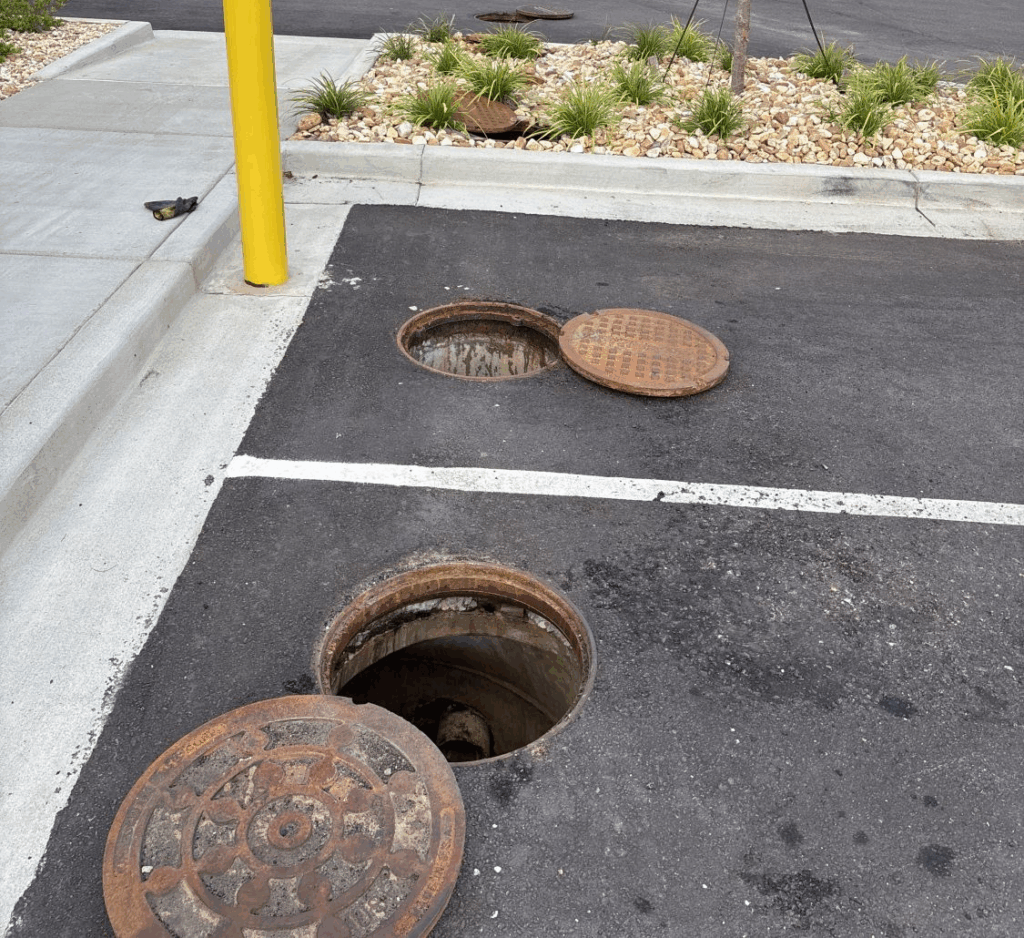
Grease Trap Cleaning in Orlando, FL

Professional grease trap cleaning is a vital service for Orlando’s high-demand food service industry, especially for kitchens located in bustling resort corridors and local dining districts. Premier Grease provides these expert services throughout the city to ensure that restaurants, hotels, and ghost kitchens remain fully compliant with local environmental regulations. By focusing on professional maintenance for high-output commercial kitchens, we help prevent the costly backups and disruptive drainage failures that often plague neglected systems. Our localized service keeps your facility running smoothly in one of the busiest food markets in the country.
Hood Cleaning Atlanta

Premier Grease Saves You Time & Money

At Premier Grease, we make grease trap cleaning in Orlando as simple and hands-off as possible for restaurant owners and kitchen managers. We set up a cleaning schedule matched to your kitchen’s output, arrive on time, complete the job thoroughly, and leave you with proper documentation before we go.

There’s nothing for your staff to manage, no compliance stress, and no surprises.
Orlando’s food scene runs hard. From the early morning hotel breakfast service in the Historic District to the late-night dining crowd on River Street, commercial kitchens across this city are producing FOG constantly. Your grease trap is working every time your kitchen is open. Keeping it properly maintained is one of the most straightforward steps you can take to protect your operation from expensive disruptions.

Send Us A Message

YES! We Reply To These Messages ASAP!

What a Grease Trap Does and Why Cleaning It Matters

A grease trap, also called a grease interceptor, is a plumbing device installed between your kitchen’s drain lines and the municipal sewer system. Its function is straightforward: capture the fats, oils, and grease that flow out of your kitchen with every dishwashing cycle, equipment rinse, and cooking surface cleandown, and prevent that FOG from entering Orlando’s public sewer infrastructure.

When it’s maintained properly, a grease trap operates invisibly. Grease is captured, wastewater flows through cleanly, and your kitchen drains without issue. When maintenance is skipped or pushed too long, the trap fills beyond its capacity, grease begins to bypass the system, and the problems that follow are anything but invisible.
A neglected grease trap creates:
  • Kitchen sink and floor drain backups that stop service in its tracks
  • Sewage odors in the kitchen and sometimes into the dining area
  • Hydrogen sulfide gas buildup inside the trap, which is a safety hazard for anyone working nearby
  • FOG entering the sewer system and triggering compliance action from Orlando Utilities Commission (OUC) or Orange County Utilities
  • Fines, mandatory inspections, and potential operating permit consequences
  • Emergency plumbing costs that far exceed what routine maintenance would have cost
In a market as competitive and high-volume as Orlando, none of those scenarios are affordable. Scheduled grease trap cleaning is the straightforward answer.

Our Grease Trap Cleaning Process

At Premier Grease, a complete cleaning means exactly that. We don’t do partial pump-outs or rushed service visits. Every grease trap we clean gets the same thorough treatment regardless of size or location.

Full Pump-Out

We arrive with professional vacuum trucks designed specifically for commercial grease trap service. We pump the trap completely, removing all accumulated grease, solids, and wastewater down to bare walls. A partial pump-out leaves material behind that accelerates refilling and shortens the time before your next required service.

Interior Scraping and Cleaning

Once the trap is pumped, our technicians manually scrape and clean the interior surfaces, baffles, and inlet and outlet pipes. Hardened, congealed grease that a vacuum pump alone won’t fully remove gets addressed at this stage. This step is what separates a thorough cleaning from a basic one.

Baffle and Component Inspection

We inspect the trap’s internal baffles and components for damage, deterioration, or blockage. Damaged baffles are one of the most common and least noticed causes of FOG compliance failure. When grease bypasses a broken baffle, it flows directly into the sewer line without being captured, creating compliance problems that the trap owner often doesn’t know about until an inspection uncovers them. We flag any issues we find and walk you through what needs to be addressed.

Compliant Waste Disposal

All waste removed from your trap is transported and disposed of in full compliance with Florida Department of Environmental Protection regulations and Orange County and City of Orlando waste management requirements. You receive a signed waste manifest documenting the disposal, which is part of your compliance record.

Service Documentation

Every cleaning is documented with a detailed service report that includes the date of service, volume of waste removed, condition of the trap and components, and any issues noted during the inspection. This paperwork is your record of compliance for city inspections, utility audits, health department reviews, and insurance purposes.

FOG Compliance in Orlando: What the City and County Require

Orlando food service operators are subject to FOG ordinance requirements enforced by both the City of Orlando and Orange County, depending on where your facility is located. Orlando Utilities Commission and Orange County Utilities actively monitor commercial accounts for FOG compliance as part of their efforts to protect the regional sewer infrastructure.
Requirements under Orlando’s FOG program include:
  • Maintaining a properly sized and functioning grease trap or interceptor
  • Cleaning the trap on a schedule that prevents it from exceeding 25% capacity with grease and solids
  • Maintaining records of all cleaning and pump-out activity
  • Using a licensed waste hauler for all grease trap service
  • Submitting cleaning documentation to the utility upon request
Failure to comply with Orlando’s FOG requirements can result in:
  • Fines issued by OUC, Orange County Utilities, or the City of Orlando
  • Mandatory re-inspection requirements and increased monitoring frequency
  • Sewer surcharges applied to your utility account
  • Requirement to install a larger interceptor at your expense
  • Health department violations that affect your food service permit
For high-volume operations in the resort corridor, on International Drive, or in other parts of the metro area with heavy cooking activity, staying within the 25% threshold often means cleaning every four to eight weeks. Our team assesses your trap and kitchen output and sets a schedule that keeps you consistently within the required limits.

Serving Orlando's Commercial Kitchen Markets

Premier Grease provides grease trap cleaning throughout the greater Orlando area. Our service routes cover the full range of the city’s diverse food service markets:
  • International Drive: The sheer concentration of hotel restaurants, tourist-oriented dining, and entertainment venues on I-Drive generates some of the highest grease trap demand in the state. We service this corridor on frequent, rotating schedules matched to the volume these kitchens produce.
  • Downtown Orlando: An increasingly active dining scene with a mix of independent restaurants, hotel kitchens, and event venues. Downtown operators rely on consistent, well-documented service that holds up under utility and health department scrutiny.
  • Orlando Resort Corridor: The area surrounding Walt Disney World, Universal Orlando, and SeaWorld includes some of the most demanding commercial kitchen environments in Florida. High-volume resort kitchens often require monthly or near-monthly grease trap service. Our team handles operations of this scale routinely.
  • Sand Lake Road and Restaurant Row: One of Central Florida’s most active dining destinations, with a dense mix of upscale and casual concepts generating consistent grease output. We service this corridor regularly and work with operators across the full range of kitchen sizes and types.
  • Windermere and Dr. Phillips: A strong concentration of upscale dining and high-end hospitality operations in this corridor. We provide reliable, professionally documented service that meets the standards these operations require.
  • Lake Nona: One of Orlando’s fastest-growing areas, with new restaurants and food service businesses opening alongside rapid residential and commercial development. We work with both newly established operations setting up their first maintenance programs and existing businesses looking for a more dependable provider.
  • Winter Park: An established dining destination with active independent restaurants and a mix of upscale and casual concepts. Winter Park kitchens trust Premier Grease for scheduled, reliable grease trap service.
  • Kissimmee: A tourism-heavy market with a high concentration of hotels and restaurants serving a visitor-driven customer base. Kissimmee kitchens face the same high-output grease management demands as the resort corridor, and we service this area regularly.
  • Surrounding Central Florida: Our service area covers Orange, Osceola, Seminole, and Lake counties. If your facility is outside the core Orlando market, reach out and we’ll confirm coverage for your location.

Who We Serve

Premier Grease provides grease trap cleaning to a wide range of food service and commercial facilities operations across Orlando and Central Florida:
  • Full-service restaurants: Independent and chain operations across all cuisine types, service formats, and volume levels
  • Resort and theme park kitchens: High-volume, extended-service operations with demanding maintenance requirements and strict documentation standards
  • Hotels and convention center kitchens: Multi-outlet hospitality operations generating grease across multiple kitchen spaces and service periods
  • Fast food and quick-service restaurants: High-frequency operations with consistent, heavy grease output that requires regular service
  • Ghost kitchens and delivery-only concepts: Compact, high-output kitchens with grease trap needs that match or exceed those of traditional restaurants
  • Corporate and university cafeterias: Institutional kitchens with compliance-driven maintenance standards and documentation requirements
  • Healthcare facility kitchens: Regulated food service environments where compliance records are non-negotiable
  • Grocery store delis and food prep departments: Often overlooked but significant grease producers operating under the same FOG requirements as restaurants
  • Catering and event facilities: Variable-schedule kitchens that need flexible service arrangements and clear documentation
  • Bars and entertainment venues with food service: Late-night cooking environments where grease trap maintenance often falls behind service priorities
If your facility has a commercial kitchen, it has a grease trap that needs professional maintenance. We make that process straightforward and well-documented.

Warning Signs Your Grease Trap Needs Immediate Service

Scheduled maintenance is always preferable to reactive service, but there are situations where a trap needs attention before the next scheduled visit. Watch for these indicators:
  • Slow-draining sinks or floor drains that weren’t slow before
  • Gurgling or bubbling sounds in kitchen drain lines
  • Sewage or sulfur odors coming from drains, the trap area, or the kitchen generally
  • Grease or wastewater visible around the trap lid or access cover
  • A FOG compliance notice or sewer surcharge from OUC or Orange County Utilities
  • A recent health or fire inspection that flagged your grease management practices
  • It has been more than three months since your last service and your kitchen runs at moderate to high volume
When these signs appear, the trap is telling you it’s at or near capacity. Waiting for a scheduled visit at that point increases the risk of a backup, a violation, or both. Contact our team and we’ll respond quickly.

What Sets Premier Grease Apart

Orlando’s size and the complexity of its food service market mean there are plenty of grease trap service providers operating in the area. The quality of service, reliability of documentation, and thoroughness of cleaning vary considerably between them. Here’s what you get with Premier Grease:
  • Full Compliance Documentation: Every service produces a signed waste manifest and service report that meets the requirements of OUC, Orange County Utilities, the City of Orlando, and the Florida DEP. Your compliance records are always current and available when you need them.
  • Professional Vacuum Equipment: We use commercial-grade vacuum trucks designed for grease trap service. The right equipment means a faster, cleaner, and more complete pump-out on every visit, not a partial service that leaves material behind.
  • Experienced Technicians: Our technicians are trained specifically in grease trap and interceptor service. They know the difference between a clean trap and one that looks clean on the surface. They also know how to identify developing issues before they become the kind of problems that shut a kitchen down.
  • Flexible and Scalable Scheduling: Whether you run a single independent restaurant or a multi-kitchen resort facility, we build a service schedule that fits your operation’s actual grease output and keeps you within compliance thresholds at all times.
  • Responsive Emergency Service: When a backup happens, response time matters. Our team is available for emergency service calls across the Orlando metro area when a situation can’t wait for a scheduled visit.
  • Consolidated Kitchen Maintenance: For clients who use Premier Grease for hood cleaning, filter exchange, or used cooking oil collection as well, we coordinate grease trap service with your broader maintenance calendar. One provider, one schedule, one set of records.

The Real Cost of Skipping Grease Trap Maintenance

Grease trap cleaning is sometimes treated as a discretionary expense, particularly during periods when margins are tight. In practice, skipping or delaying service consistently produces higher costs than maintaining a regular schedule. An emergency pump-out for a backed-up trap costs significantly more than a scheduled cleaning. Emergency plumbing service to clear a grease-related blockage in your drain lines costs more still. A forced closure following a health department or utility inspection generates immediate, unplanned revenue loss. And if a backup causes sewage to enter your kitchen or dining area, you’re looking at mandatory sanitization, potential equipment damage, and a reopening process that takes time you don’t have. In Orlando’s high-volume, high-visibility food service market, operational disruptions carry reputational consequences that extend beyond the immediate financial impact. Scheduled grease trap cleaning is one of the most reliable ways to keep those disruptions from happening in the first place.

Grease Trap Cleaning as Part of a Complete Grease Management Program

Grease trap cleaning handles what goes down your drains, but it’s one part of a complete picture. The same cooking activity that fills your trap also coats your hood, ductwork, and exhaust fan with grease vapor, and produces used cooking oil that needs proper collection and disposal. At Premier Grease, we provide grease trap cleaning, hood cleaning, filter exchange, used cooking oil collection, roof cleaning, restaurant deep cleaning, and dryer vent cleaning across the Orlando area. Clients who manage all of their grease-related maintenance through a single provider benefit from coordinated scheduling, unified compliance documentation, and a team that understands their entire kitchen setup. For Orlando’s hotel and resort kitchens in particular, where multiple service areas and compliance requirements converge, consolidated maintenance management makes a real operational difference. If you’re currently working with multiple vendors for kitchen maintenance and finding it difficult to keep scheduling and documentation organized, we’re ready to simplify the whole picture.

Ready to Schedule Grease
Trap Cleaning in Orlando?

Frequently Asked Questions

1. How often should a restaurant grease trap be cleaned in Orlando?

Most Orlando restaurants must follow the “25% Rule,” which states a grease trap must be cleaned before it reaches 25% capacity of fats, oils, and grease (FOG). For high-volume kitchens on International Drive or in Kissimmee, this typically means a professional pump-out every 4 to 8 weeks to remain compliant with city ordinances.

2. What are the FOG requirements for the Orlando Utilities Commission (OUC)?

The OUC and Orange County Utilities require all commercial food service establishments to maintain a functional grease interceptor and keep detailed maintenance logs. You must use a licensed waste hauler and retain your waste manifests for at least three years to prove that grease is being disposed of at a DEP-approved facility.

3. Can I be fined for a neglected grease trap in Orange County?

Yes. Failure to maintain your grease trap can lead to hefty fines, sewer surcharges, and even the suspension of your operating permit. If grease from your kitchen causes a blockage in the Orlando municipal sewer line, your business could be held liable for the entire cost of the city’s emergency repair and cleanup.

4. What is the difference between a grease trap and a grease interceptor?

In the Orlando market, “grease trap” usually refers to smaller units located inside the kitchen under sinks, while “grease interceptor” refers to large outdoor underground tanks. Premier Grease has the vacuum truck technology to service both small indoor traps and high-capacity outdoor interceptors.

5. Why does my Orlando kitchen smell like rotten eggs?

A “rotten egg” or sulfur smell often indicates hydrogen sulfide gas buildup in a neglected grease trap. This happens when food solids sit too long and begin to decompose. If you notice odors in your kitchen or dining area, it is a sign that your trap is likely over capacity and needs an immediate pump-out.

6. Does Premier Grease provide the manifest needed for health inspections?

Absolutely. After every pump-out, we provide a signed waste manifest and a service report. These documents are your legal proof of compliance during inspections by the Florida Department of Health or local utility audits. We keep digital backups of these records for our clients.

7. What happens if I only do a "partial" grease trap pump-out?

Some providers only skim the top layer of grease. This is a mistake. A partial pump-out leaves heavy solids at the bottom, which quickly rot and take up space, leading to compliance failure and faster backups. Premier Grease performs a full vacuum pump-out, scraping the side walls and cleaning the baffles to ensure the trap is completely empty.

8. Do you serve hotel and resort kitchens near Disney and Universal?

Yes. We specialize in the high-volume demands of the Orlando Resort Corridor. We understand the logistics of servicing large-scale hotels and convention centers, including working around peak guest hours and managing multiple interceptors across a single property.

9. Can a full grease trap cause my floor drains to back up?

Yes. When a trap is full, wastewater has nowhere to go. It will back up at the lowest point, which is usually your kitchen floor drains. This creates a major health hazard and often requires you to shut down the kitchen until a professional emergency pump-out and plumbing clearing are performed.

10. Why should I bundle grease trap cleaning with hood cleaning?

In the busy Orlando market, managing multiple vendors is a headache. By bundling grease trap and hood cleaning with Premier Grease, you ensure your entire FOG management system is on a synchronized schedule. This simplifies your paperwork, ensures total compliance, and protects your facility from both fire and plumbing emergencies.