
Grease Trap Cleaning Services in Atlanta, GA – Premier Grease
Premier Grease is Atlanta’s trusted grease trap cleaning company, delivering professional grease interceptor pumping, FOG waste removal, and full-service grease trap maintenance to commercial kitchens across Georgia. Whether you operate a busy restaurant in Buckhead, a café in Midtown, a food hall in Downtown Atlanta, or a quick-service spot in Decatur or Sandy Springs, we keep your grease traps clean, your drains flowing, and your kitchen on the right side of the health inspector. With over 24 years of experience serving Atlanta-area restaurants and foodservice businesses, Premier Grease is the single call you need for everything grease-related.
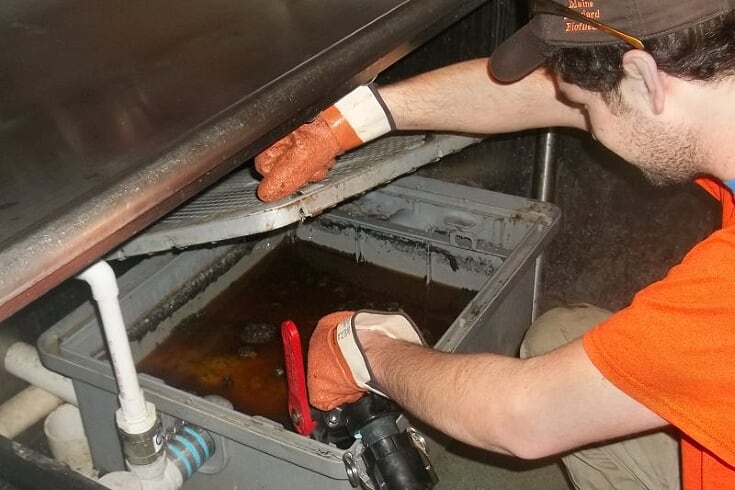
Premier Grease Saves You Time & Money
Welcome to Premier Grease, where grease management is all we do and we do it better than anyone in Atlanta. Our grease trap cleaning service is built for the demands of commercial kitchens: fast, thorough, reliable, and fully documented. From routine scheduled pumping to one-time emergency cleanings, our experienced team arrives equipped and ready to get your trap cleaned with minimal disruption to your operations.
Running a restaurant in a city as food-forward as Atlanta means your kitchen never really slows down. From the brunch rush in Virginia-Highland to late-night service in Old Fourth Ward, your grease trap is working constantly. We work around your schedule so your team can keep doing what they do best.
- 24+ Years Experience
- Satisfaction Guaranteed
- Licensed, Bonded, Insured
- Free Estimates & Consultations
- Reliable Services You Can Count On
Send Us A Message
YES! We Reply To These Messages ASAP!
Why Grease Trap Cleaning Is Essential
- Prevent Backups and Overflows: A grease trap that hasn’t been pumped on schedule is a backup waiting to happen. FOG (fats, oils, and grease) accumulates inside the interceptor over time. When the trap reaches capacity, grease pushes past it and into your drain lines, causing slow drainage, blockages, and messy overflows that can shut your kitchen down mid-service.
- Stay Compliant With Local Regulations: Atlanta restaurants are required to maintain their grease interceptors in accordance with the City of Atlanta’s sewer use ordinance and Georgia EPD regulations. Failure to keep up with your grease trap cleaning schedule can result in health code violations, fines, and failed inspections. Premier Grease keeps your system documented, serviced, and inspection-ready at all times.
- Protect Your Plumbing and the Environment: FOG that enters the municipal sewer system is one of the leading causes of sanitary sewer overflows (SSOs) across metro Atlanta. Routine grease trap pumping and cleaning keeps your waste contained and properly disposed of, protecting the city’s water infrastructure and your business’s reputation.
Benefits of Professional Grease Trap Cleaning
Eliminate Foul Odors
One of the first signs of an overdue grease trap is the smell. Hydrogen sulfide gas builds up inside a saturated trap, sending unpleasant odors through your drains and into your dining room. Professional grease trap cleaning removes the accumulated FOG and solid waste that cause these odors, restoring a clean, fresh-smelling kitchen environment for your staff and guests.
Restore Proper Drain Flow
Slow drains are more than an inconvenience. They’re a signal that your grease interceptor is approaching capacity. When grease blocks your drain lines, dishwashing slows down, prep work backs up, and your entire kitchen operation suffers. Regular grease trap pumping keeps waste flowing where it should, so your kitchen never misses a beat.
Avoid Costly Emergency Repairs
Neglecting your grease trap doesn’t just create compliance headaches; it creates expensive ones. A backed-up or overflowing grease trap can mean emergency plumbing calls, damage to your floor drains, and in serious cases, a temporary shutdown while repairs are made. Staying on a consistent cleaning schedule costs far less than dealing with a grease emergency during dinner service.
Why Choose Premier Grease for Grease Trap Cleaning in Atlanta?
Experienced Technicians
Our team has been pumping, cleaning, and maintaining grease traps across the greater Atlanta metro for over two decades. We know the systems, we know the regulations, and we know what a properly serviced grease interceptor looks like.
Complete Waste Removal
We don’t just pump out liquids and call it done. Our grease trap cleaning service includes thorough removal of both the liquid FOG layer and solid waste accumulation at the bottom of the trap, leaving the interceptor properly cleaned and ready for continued use.
Hydro-Jetting Capability
For traps and drain lines with heavy buildup or partial blockages, we offer hydro-jetting services that use high-pressure water to clear grease deposits from the inside of your pipes, restoring full flow without chemical drain openers that can damage your plumbing over time.
Documented Service and Manifests
Every service Premier Grease performs comes with proper waste manifests and service documentation. This paperwork is what you’ll need to present during health inspections and FOG compliance audits, and we make sure it’s always in order.
For traps and drain lines with heavy buildup or partial blockages, we offer hydro-jetting services that use high-pressure water to clear grease deposits from the inside of your pipes, restoring full flow without chemical drain openers that can damage your plumbing over time.
Emergency Grease Trap Service
Grease trap emergencies don’t happen on a schedule. When you’ve got a backup or overflow in the middle of a Friday night rush, Premier Grease is available 24/7 to respond fast. One call to 1-800-880-1142 gets an experienced technician heading your way.
Our Grease Trap Cleaning Process
- Assessment and Inspection: Before we start pumping, our technicians inspect your grease trap or interceptor to assess the level of FOG accumulation, solid waste buildup, and the overall condition of the unit. This helps us determine the best approach for the cleaning and identify any issues, such as damaged baffles or cracked lids, that may need attention.
- Full Pumping and Waste Removal: Using specialized vacuum trucks, we pump out the entire contents of your grease trap: the floating grease layer, the wastewater, and the settled solids at the bottom. Unlike partial cleanings that leave solids behind, our service removes everything, giving your trap a proper reset.
- Interior Cleaning and Rinse: After pumping, we clean the interior walls and components of the trap, removing residual grease and any buildup that clings to the baffles and inlet/outlet pipes. This step keeps your trap operating efficiently between service visits.
- Inspection of Baffles and Components: We inspect the trap’s baffles, lids, and access points to confirm everything is structurally sound and functioning as intended. If we spot any damage or wear, we’ll let you know before it becomes a bigger problem.
- Waste Disposal and Documentation: All waste is transported and disposed of in full compliance with Georgia EPD regulations and applicable federal environmental guidelines. You receive a completed service manifest and report for your records, ready for any inspection.
Grease Trap Cleaning for Atlanta Restaurants: What You Need to Know
If you run a restaurant, food truck commissary, hotel kitchen, cafeteria, or any commercial food operation in Atlanta, you’re required to maintain a properly functioning grease trap or grease interceptor. The City of Atlanta’s Department of Watershed Management enforces a FOG (Fats, Oils, and Grease) Control Program that holds food service establishments accountable for managing their grease waste, and the consequences of non-compliance aren’t small.
Atlanta’s dining scene has grown dramatically over the past decade. Neighborhoods like Ponce City Market, Inman Park, West Midtown, and Castleberry Hill are home to dozens of high-volume restaurants. With that growth comes increased strain on Atlanta’s sewer infrastructure, which is exactly why FOG regulations exist and are actively enforced.
Your grease trap was designed to intercept FOG before it reaches the municipal sewer system. But a trap that isn’t cleaned regularly eventually loses its ability to do that job. When grease makes it past a saturated trap and into the sewer lines, it congeals, hardens, and contributes to blockages that can cause sanitary sewer overflows, a serious environmental and public health issue.
By partnering with Premier Grease for regular grease trap pumping and cleaning, you’re doing your part to stay compliant, protect Atlanta’s sewer system, and keep your business operating without interruption. We work with restaurants throughout Buckhead, Midtown, Downtown Atlanta, Decatur, Sandy Springs, Marietta, Smyrna, Alpharetta, and every corner of the metro area.
Atlanta’s dining scene has grown dramatically over the past decade. Neighborhoods like Ponce City Market, Inman Park, West Midtown, and Castleberry Hill are home to dozens of high-volume restaurants. With that growth comes increased strain on Atlanta’s sewer infrastructure, which is exactly why FOG regulations exist and are actively enforced.
Your grease trap was designed to intercept FOG before it reaches the municipal sewer system. But a trap that isn’t cleaned regularly eventually loses its ability to do that job. When grease makes it past a saturated trap and into the sewer lines, it congeals, hardens, and contributes to blockages that can cause sanitary sewer overflows, a serious environmental and public health issue.
By partnering with Premier Grease for regular grease trap pumping and cleaning, you’re doing your part to stay compliant, protect Atlanta’s sewer system, and keep your business operating without interruption. We work with restaurants throughout Buckhead, Midtown, Downtown Atlanta, Decatur, Sandy Springs, Marietta, Smyrna, Alpharetta, and every corner of the metro area.
How Often Should You Schedule Grease Trap Cleaning?
The right cleaning frequency depends on the size of your trap, the volume of your kitchen, and the type of food you prepare. Here’s a general guide based on our experience servicing Atlanta kitchens:
- High-Volume Kitchens (Every 30–60 Days): Full-service restaurants, fast-food operations, and institutional kitchens with heavy frying or large daily covers generate a significant amount of FOG. Monthly or bi-monthly cleaning is typically necessary to keep the trap below the 25% FOG accumulation threshold required for compliance.
- Mid-Volume Kitchens (Every 60–90 Days): Casual dining restaurants, catering kitchens, and mid-size food operations usually fall into this range. A service every two to three months keeps the system clean and compliant without over-servicing.
- Low-Volume Kitchens (Every 90–180 Days): Smaller cafés, coffee shops with limited food prep, and low-volume establishments may be able to stretch service intervals to quarterly or semi-annual. That said, it’s always worth having your system evaluated by a professional before assuming less frequent service is appropriate.
- New or Reopening Restaurants: If you’ve recently opened in a new Atlanta location or taken over an existing restaurant space, schedule a grease trap inspection and cleaning before you get into your regular service routine. You don’t always know what the previous occupant left behind.
The rule of thumb in the FOG compliance world: when the combined layers of FOG and settled solids reach 25% of the trap’s total liquid capacity, it’s time to clean. Premier Grease can help you establish a cleaning schedule based on an actual assessment of your trap’s size and your kitchen’s output.
Warning Signs Your Grease Trap Needs Immediate Attention
Don’t wait for a health inspection to discover your grease trap is overdue. Here are the signs that your system needs service now:
- Foul or Sulfur-Like Odors: A strong rotten-egg smell coming from your floor drains or sinks is one of the clearest signs that your grease trap is at or beyond capacity. Hydrogen sulfide gas, produced as grease breaks down, is the culprit, and it won’t go away until the trap is properly cleaned.
- Slow-Draining Sinks and Floor Drains: If water is backing up in your prep sinks, dishwasher drains, or floor drains, grease is likely restricting flow somewhere in the system. This is a drain line issue or a full trap, and either way, it’s time to call Premier Grease.
- Visible Grease in Drain Lines or Backflow: Grease visible in the drain line or backing up out of a floor drain is a sign that your trap has already exceeded its capacity and is no longer intercepting FOG effectively.
- Recent Health Inspection Warning or Violation: If your last health inspection flagged your grease trap for being overdue or non-compliant, get it cleaned before your re-inspection. Premier Grease provides same-week scheduling for businesses that need to get squared away ahead of an inspection.
- It’s Been More Than 90 Days: Even if you don’t notice any obvious symptoms, a grease trap that hasn’t been serviced in over three months in a busy commercial kitchen should be on your immediate to-do list.
We're the single contact for all your grease needs!

Grease Trap vs. Grease Interceptor: What's the Difference?
Restaurant owners in Atlanta sometimes use these terms interchangeably, but they refer to different types of systems, and knowing which one you have affects your cleaning schedule and service approach.
A grease trap (sometimes called an in-ground or under-sink trap) is a smaller device typically installed inside the kitchen, beneath or near the sink or dishwasher. These units intercept grease at the source before it enters the building’s drain lines. Because of their smaller capacity, they fill up faster and generally require more frequent cleaning.
A grease interceptor is a larger, outdoor buried unit, often a concrete or fiberglass tank, installed outside the building between the kitchen and the municipal sewer connection. These systems handle higher volumes of FOG and are common in larger food service operations. While they don’t need service as frequently as smaller in-sink traps, they still require regular pumping and cleaning to remain effective.
Premier Grease services both types across Atlanta and the surrounding metro area. If you’re not sure which system your restaurant has or when it was last serviced, call us for an assessment and we’ll get you set up on the right schedule.
A grease trap (sometimes called an in-ground or under-sink trap) is a smaller device typically installed inside the kitchen, beneath or near the sink or dishwasher. These units intercept grease at the source before it enters the building’s drain lines. Because of their smaller capacity, they fill up faster and generally require more frequent cleaning.
A grease interceptor is a larger, outdoor buried unit, often a concrete or fiberglass tank, installed outside the building between the kitchen and the municipal sewer connection. These systems handle higher volumes of FOG and are common in larger food service operations. While they don’t need service as frequently as smaller in-sink traps, they still require regular pumping and cleaning to remain effective.
Premier Grease services both types across Atlanta and the surrounding metro area. If you’re not sure which system your restaurant has or when it was last serviced, call us for an assessment and we’ll get you set up on the right schedule.
Grease Trap vs. Grease Interceptor: What's the Difference?
Atlanta food service establishments are subject to grease trap and FOG control requirements enforced by the City of Atlanta Department of Watershed Management. Here’s what you need to know:
- FOG Control Program Requirements: Atlanta’s FOG Control Program requires all food service establishments that discharge to the public sewer system to install and maintain approved grease interceptors. Establishments must maintain records of all grease trap cleanings and make those records available for inspection upon request.
- Cleaning Standards: The city requires that grease traps and interceptors be cleaned by a permitted hauler and that waste be disposed of in accordance with state and local regulations. The 25% rule, which calls for cleaning when FOG and solid waste levels reach 25% of the unit’s total capacity, is widely used as the compliance threshold.
- Record-Keeping: Keep your service manifests and cleaning records for a minimum of three years. During a health inspection or FOG compliance audit, being able to produce complete documentation is what separates a passed inspection from a violation notice.
- Working With a Permitted Service Provider: Premier Grease operates with the proper licensing and permits to collect, transport, and dispose of grease trap waste in Georgia. When you use our service, you’re covered. We provide all necessary waste manifests and documentation to keep your records complete.
Serving All of Metro Atlanta and Beyond
Premier Grease provides grease trap cleaning throughout the greater Atlanta area, including:
- Buckhead – Upscale restaurants and hotel kitchens throughout Atlanta’s most prominent dining district
- Midtown Atlanta – High-volume cafés, restaurants, and entertainment venues along Peachtree Street and beyond
- Downtown Atlanta – Hotel kitchens, convention center food service, and stadium-adjacent restaurants
- Decatur – A growing independent restaurant scene that counts on reliable grease management
- Sandy Springs – Corporate cafeterias, chain restaurants, and independent operators throughout this busy corridor
- Marietta – Restaurants and food service businesses throughout Cobb County
- Alpharetta – A rapidly growing restaurant market in Atlanta’s northern suburbs
- Smyrna and Vinings – Local dining establishments along the Cumberland corridor
- East Atlanta and East Lake – Neighborhood restaurants and food establishments across the city’s east side
- Roswell, Duluth, and Norcross – Serving the diverse restaurant communities of Atlanta’s northeastern suburbs
If your business is located anywhere in the Atlanta metro area, Premier Grease can be there. Call us to confirm service availability in your area.
Trust Premier Grease for Reliable Grease Trap Cleaning in Atlanta
Atlanta restaurants rely on Premier Grease because we show up, we do the job right, and we back every service with proper documentation. We’ve been part of Atlanta’s commercial kitchen maintenance community since 2001, and our reputation is built on repeat customers who trust us to keep their kitchens running without grease-related surprises.
Whether your grease trap is due for a routine cleaning, you’ve got a backup that needs immediate attention, or you’re setting up a new location and need help getting your FOG compliance program in order, Premier Grease is the call to make. No contracts. No hassle. Just reliable, professional grease trap cleaning from a team that knows Atlanta’s kitchens inside and out.
Call us 24/7 at 1-800-880-1142 or fill out our contact form to request service or a free estimate. We reply fast, because we know your kitchen can’t wait.
Schedule Your Grease Trap Cleaning Service with Premier Grease Today
Frequently Asked Questions About
Grease Trap Cleaning in Atlanta
1. What is grease trap cleaning, and why does my restaurant need it?
Grease trap cleaning involves pumping out the accumulated fats, oils, and grease (FOG) along with solid waste from your grease trap or interceptor. As grease builds up inside the unit, it loses its ability to intercept FOG before it enters the sewer system. Regular cleaning keeps your trap functioning properly, prevents drain backups, eliminates foul odors, and keeps your business in compliance with Atlanta’s FOG control regulations.
2. How often should a commercial grease trap be cleaned in Atlanta?
The frequency depends on the size of your trap and how much grease your kitchen produces. Most Atlanta restaurants require cleaning every 30 to 90 days. The general compliance guideline is to clean the trap before the combined FOG and solids layer reaches 25% of the unit’s total liquid capacity. Premier Grease can assess your system and recommend the right service interval for your operation.
3. What happens if I don't clean my grease trap regularly?
A neglected grease trap will eventually overflow or back up, sending grease into your drain lines and potentially into the municipal sewer system. This can result in foul odors, slow or blocked drains, health code violations, fines from the City of Atlanta, and emergency plumbing costs. In severe cases, it can lead to a temporary closure until the issue is resolved.
4. What is the difference between a grease trap and a grease interceptor?
A grease trap is a smaller unit typically installed indoors, under or near a sink. A grease interceptor is a larger, outdoor buried unit that handles higher volumes of FOG from the entire kitchen. Both require regular pumping and cleaning, just at different intervals depending on capacity and kitchen volume.
5. Does Premier Grease provide emergency grease trap service in Atlanta?
Yes. Premier Grease offers 24/7 emergency grease trap cleaning throughout Atlanta and the surrounding metro area. If you’re dealing with a backup, overflow, or compliance issue that can’t wait, call us at 1-800-880-1142 and we’ll get a technician to your location as quickly as possible.
6. What documentation will I receive after a grease trap cleaning?
After every service, Premier Grease provides a completed waste manifest and service report. This documentation shows the date of service, the volume of waste removed, and the disposal method, giving you everything you need for your compliance records and health inspections.
7. Is grease trap waste disposed of properly and legally?
Absolutely. Premier Grease is a licensed waste hauler in Georgia. All FOG and grease trap waste we collect is transported and disposed of in full compliance with Georgia EPD regulations and applicable federal environmental requirements.
8. Can Premier Grease set up a regular cleaning schedule for my restaurant?
Yes, and we highly recommend it. We offer customized maintenance plans that put your grease trap on a recurring service schedule. You get consistent, on-time cleanings, complete documentation, and one less thing to worry about. No contracts required, just dependable service you can count on.
9. Do you clean both indoor grease traps and outdoor grease interceptors?
Yes. Premier Grease services both indoor in-sink grease traps and large outdoor buried grease interceptors. Whatever system your restaurant uses, our team has the equipment and experience to clean it properly.
10. How do I get started with Premier Grease for grease trap cleaning in Atlanta?
Getting started is simple. Call us at 1-800-880-1142 to speak with someone directly, or fill out the contact form on our website for a quick callback. We’ll discuss your restaurant’s needs, assess your system if necessary, and get you on a service schedule that keeps your kitchen clean and compliant.