
Complete Restaurant Deep Cleaning Checklist: Areas You’re Probably Missing
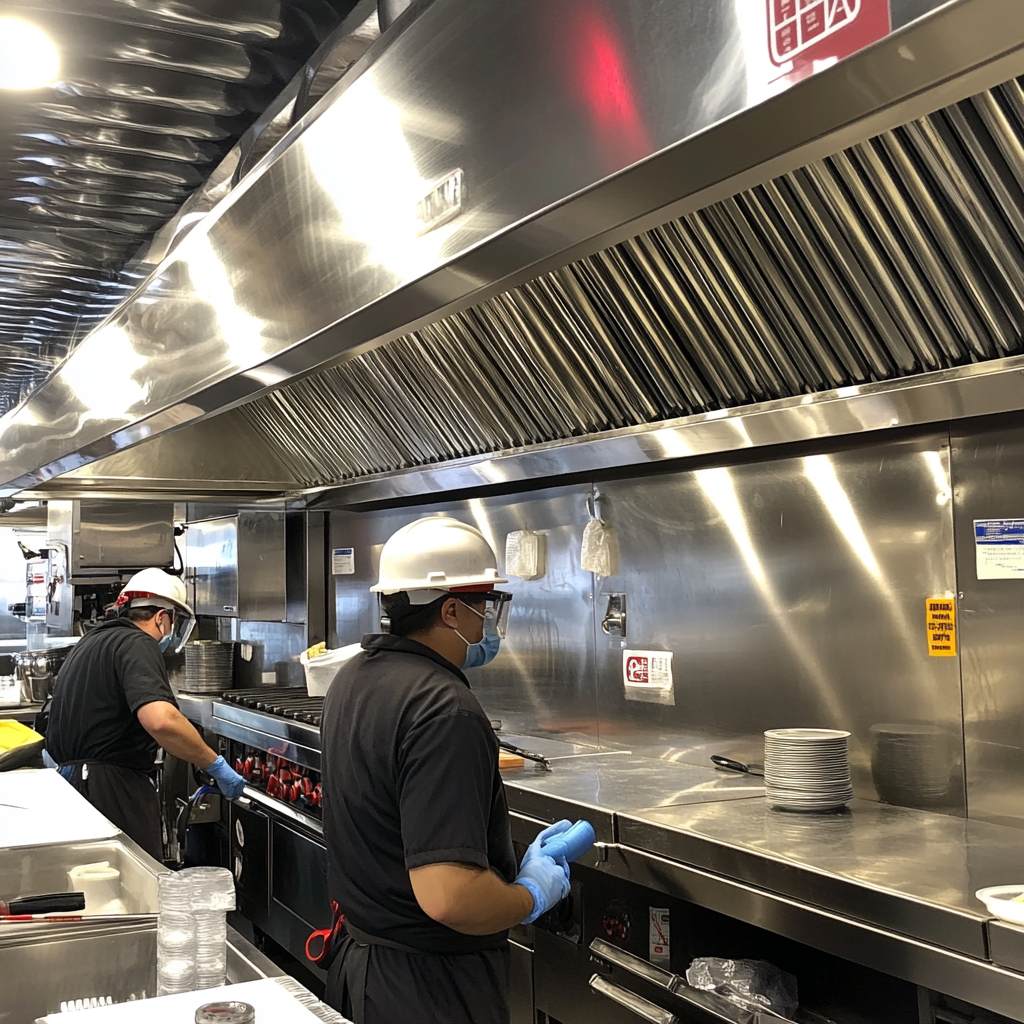
Health inspectors know exactly where to look when they walk into your restaurant. While most operators maintain clean dining rooms and kitchen surfaces, hidden areas often harbor grease, bacteria, and code violations that can shut down your business. A failed inspection doesn’t just cost money—it damages your reputation and customer trust. Professional deep cleaning goes beyond daily maintenance routines. Many restaurants unknowingly neglect spaces that accumulate dangerous buildup over time. These overlooked areas become breeding grounds for bacteria, attract pests, and create fire hazards that put your staff and customers at risk. Why Standard Cleaning Isn’t Enough Your daily cleaning checklist covers visible surfaces and high-traffic areas. Staff wipe down counters, mop floors, and clean equipment exteriors. This maintenance keeps your restaurant presentable but doesn’t address the hidden accumulation that develops in hard-to-reach places. Grease vapor from cooking travels throughout your kitchen, settling on walls, ceilings, and equipment. Over time, this buildup becomes thick and sticky, creating multiple problems. The layer traps bacteria, becomes a fire hazard, and eventually affects your HVAC system’s performance. Health departments in Atlanta enforce strict sanitation standards. Inspectors check areas that most people never see, looking for the telltale signs of inadequate cleaning. A single violation in a hidden area can result in point deductions, fines, or temporary closure. Behind and Under Kitchen Equipment The space behind your fryers, grills, and ovens accumulates more grease and debris than almost anywhere else in your kitchen. When equipment stays in place for months, grease pools on the floor, food particles collect in corners, and the walls become coated with a sticky residue. Moving heavy equipment requires proper techniques and multiple people. Many restaurants avoid this task because of the effort involved, but health inspectors specifically check these areas. They’ll ask staff to pull equipment away from walls during inspections. Clean behind and under all cooking equipment at least quarterly. This process involves: The job takes several hours per piece of equipment and requires specialized cleaning solutions that break down baked-on grease. Exhaust System Components Beyond the Hood Most restaurants regularly clean their hood exteriors, but the exhaust system extends far beyond what you see. Ductwork, fans, and rooftop components accumulate grease that poses serious fire risks. This buildup often goes unnoticed until smoke appears or an inspector flags it. Grease travels through your entire exhaust system every time you cook. It condenses inside ducts, collects in fan housings, and eventually drips onto your roof. Atlanta fire codes require regular cleaning of the complete exhaust system, not just the visible hood. Professional hood cleaning services disassemble and clean every component: This service typically happens quarterly or monthly depending on your cooking volume, but many operators schedule it only when problems arise. The roof area around your exhaust system needs attention too. Grease accumulation on roofing materials deteriorates membranes, causes leaks during rainstorms, and voids warranties. Regular roof cleaning around kitchen exhaust points prevents expensive repairs and water damage to your building. Walk-In Coolers and Freezers Walk-in units work hard every day, and their interiors tell the story. Spills freeze to floors, condensation creates ice buildup on walls and ceilings, and door seals collect grime. These conditions affect food safety, energy efficiency, and equipment lifespan. Floor drains in walk-ins often get overlooked during daily cleaning. Ice and debris block these drains, causing water to pool when the unit defrosts. Standing water creates slip hazards and bacterial growth. The drain lines themselves can freeze or clog, requiring professional clearing. Evaporator coils and fans need regular cleaning to maintain temperature control. Dust and debris on coils force the refrigeration system to work harder, increasing energy costs and wear. Some operators never clean these components until the unit fails to maintain temperature. Complete walk-in cleaning involves: Schedule this work during slow periods when you can temporarily relocate stored food. Prep Areas and Hidden Surfaces Prep tables, cutting boards, and work surfaces get cleaned constantly, but the spaces around them hide problems. Underneath stainless steel tables, grease and food particles accumulate on crossbars, legs, and floor areas. These spots are easy to miss during busy service but obvious to trained inspectors. Wall areas behind prep stations show splatter patterns from months of food preparation. Sauces, oils, and liquids create layers that darken over time. Low walls and kick plates under counters collect debris that gets kicked into corners during service. Shelving units in prep areas need complete removal and cleaning periodically. The weight of stored items makes this task difficult, so many operations wipe visible surfaces without addressing the undersides and back areas where dust and residue collect. Dishwashing Station Components Your dishwashing area processes hundreds of items daily, but the machine itself needs deep cleaning. Spray arms clog with mineral deposits and food particles, reducing cleaning effectiveness. Internal tanks accumulate scale and debris. Drain screens and pipes develop blockages that slow drainage. The area around your dish machine harbors hidden problems. Walls behind the unit show water stains and mold growth from constant humidity. Floors under the machine collect standing water and develop drain issues. Pre-rinse spray valves and hoses accumulate mineral buildup that affects water pressure. Deep cleaning the dish area means: This work prevents equipment breakdowns and maintains sanitation standards that health departments expect. Dry Storage and Rarely Moved Items Dry storage areas feel cleaner than kitchen spaces because they don’t involve cooking, but they develop their own problems. Dust settles on top of shelving units and product cases. Spills on lower shelves go unnoticed for weeks. Corners and floor edges collect debris that daily sweeping misses. Large equipment that rarely moves—mixers, proof boxes, ice machines—sits in the same spot for months or years. The floors underneath develop sticky residue, and the spaces between the equipment and walls become pest highways. Inspectors check these areas specifically because they reveal your true cleaning standards. Move every piece of stationary equipment annually and clean all surfaces thoroughly. This practice helps you discover maintenance issues early, prevents pest infestations, and demonstrates your