
Hood Filter Replacement Schedule: How Often Should Restaurants Change Baffle Filters?
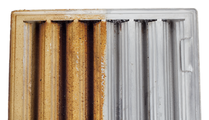
The fire marshal walks into your Atlanta restaurant during the dinner rush. After a quick inspection of your kitchen hood system, he points to your grease-caked baffle filters and writes a violation notice. Your filters haven’t been changed in three months, and the buildup poses a serious fire hazard. This scenario happens more often than most restaurant owners realize. Hood filters are the first line of defense against grease fires, yet they’re among the most neglected components in commercial kitchens across Atlanta, Savannah, and Jacksonville. Understanding Baffle Filters and Their Function Baffle filters sit inside your commercial kitchen hood system, positioned directly above cooking equipment. These multi-layered metal filters use a series of baffles or directional changes to capture grease particles from cooking exhaust before they enter your ductwork. How Baffle Filters Work: Hot air and grease-laden vapors rise from cooking surfaces and flow through the baffle filter’s channels. As air changes direction through the baffles, grease particles—which are heavier than air—lose momentum and condense on the metal surfaces. Clean air continues through the ductwork while grease remains trapped in the filter. Filter Construction: Professional-grade baffle filters feature stainless steel construction with precisely angled baffles that maximize grease capture. Quality filters include drain channels that direct captured grease into collection cups, preventing re-entrainment into the exhaust stream. Why Filters Matter: Without functional filters, grease accumulates throughout your entire exhaust system—ductwork, fans, and roof-mounted equipment. This creates fire hazards, reduces system efficiency, and leads to expensive cleaning and repair costs. Recommended Replacement and Cleaning Schedules The frequency of filter maintenance depends on your cooking volume, food type, and kitchen operations. Most commercial kitchens need more frequent service than their owners realize. High-Volume Operations Weekly Replacement or Cleaning: Fast food restaurants, high-volume diners, and establishments with continuous fryer use require weekly filter service. These kitchens generate massive grease quantities that quickly saturate filters and reduce effectiveness. Atlanta sports bars serving wings and fried appetizers during football season might need twice-weekly service during peak months. The combination of heavy frying and extended operating hours accelerates grease accumulation beyond normal rates. Standard Full-Service Restaurants Bi-Weekly to Monthly Service: Traditional restaurants with moderate cooking volumes typically maintain adequate fire safety and system performance with bi-weekly or monthly filter service. This schedule works for establishments serving lunch and dinner with varied menus including grilled, sautéed, and fried items. Savannah’s historic district restaurants often fall into this category. These establishments balance tourist traffic with local dining, creating consistent but manageable grease production that bi-weekly service handles effectively. Limited Cooking Operations Monthly to Quarterly Service: Cafes, bakeries, coffee shops, and establishments with minimal frying can often extend service intervals to monthly or even quarterly replacement. These operations produce less grease vapor and don’t require the intensive maintenance of full-production kitchens. However, even limited cooking operations must monitor filter condition. A Jacksonville breakfast cafe focusing on eggs and pancakes might need only monthly service, but adding chicken-fried steak to the menu would require schedule adjustments. Specialized Cooking Methods Custom Schedules: Restaurants specializing in specific cooking methods need tailored filter schedules. Barbecue joints with wood-fired smokers accumulate soot and creosote alongside grease, requiring more frequent cleaning. Asian restaurants with high-heat wok cooking generate intense grease vapor requiring robust filtration and frequent service. Filter Exchange vs. On-Site Cleaning Commercial kitchens have two options for filter maintenance: on-site cleaning or professional filter exchange service. Each approach offers distinct advantages. Filter Exchange Service Benefits Immediate Replacement: Exchange services provide clean filters instantly. Technicians arrive with sanitized, ready-to-install filters and swap them for your dirty ones. Your kitchen experiences zero downtime waiting for filters to be cleaned and dried. Professional Cleaning Standards: Filters removed from your kitchen undergo industrial cleaning in specialized equipment. High-temperature, high-pressure washers with commercial degreasers remove 100% of accumulated grease—far more effective than manual scrubbing in your dish room. Consistent Filter Condition: Exchange programs rotate filters through professional cleaning cycles, extending filter lifespan and maintaining consistent performance. You always receive filters in like-new condition rather than progressively degraded filters cleaned repeatedly in your kitchen. Labor Savings: Staff time spent scrubbing filters costs money. A cook earning $15 per hour who spends two hours cleaning filters costs $30 in labor alone. Exchange service eliminates this expense while delivering superior results. Compliance Documentation: Professional exchange services provide documentation of filter changes, creating records that satisfy health department and fire marshal inspection requirements. This paperwork proves your commitment to fire safety and regulatory compliance. On-Site Cleaning Considerations Some restaurants prefer handling filter cleaning internally. This approach works for operations with adequate staff, proper cleaning facilities, and management commitment to consistent maintenance. Daily or Shift Cleaning: Filters must be removed, soaked in degreaser, scrubbed thoroughly, rinsed completely, and dried before reinstallation. This process takes 1-2 hours and requires proper safety equipment since commercial degreasers are caustic. Limitations of Manual Cleaning: Even diligent manual cleaning can’t match professional equipment. Grease penetrates filter baffles and accumulates in channels that hand scrubbing can’t reach. Over time, manually cleaned filters lose effectiveness and require replacement. Safety Considerations: Hot degreaser solutions, slippery surfaces, and heavy, wet filters create safety hazards. Workers have suffered burns, cuts, and back injuries during filter cleaning. Professional services eliminate these risks from your workplace. Signs Your Filters Need Immediate Replacement Between scheduled services, monitor your filters for these warning indicators: Visible Grease Dripping: Filters dripping grease even when cold have exceeded capacity. The grease layer is so thick that gravity pulls it through the baffles. This represents an extreme fire hazard requiring immediate replacement. Heavy Grease Coating: When baffle channels are filled with solidified grease to the point that metal surfaces are no longer visible, the filter has lost effectiveness. Grease-laden air now bypasses the saturated filter and enters your ductwork. Reduced Airflow: Clogged filters restrict airflow through your hood system. You might notice smoke lingering in the kitchen or grease vapor escaping around the hood edges rather than being captured. Kitchen temperatures might also increase due to reduced exhaust effectiveness. Filter Damage: