
Car Wash Sump Maintenance: Preventing Costly Clogs and System Failures
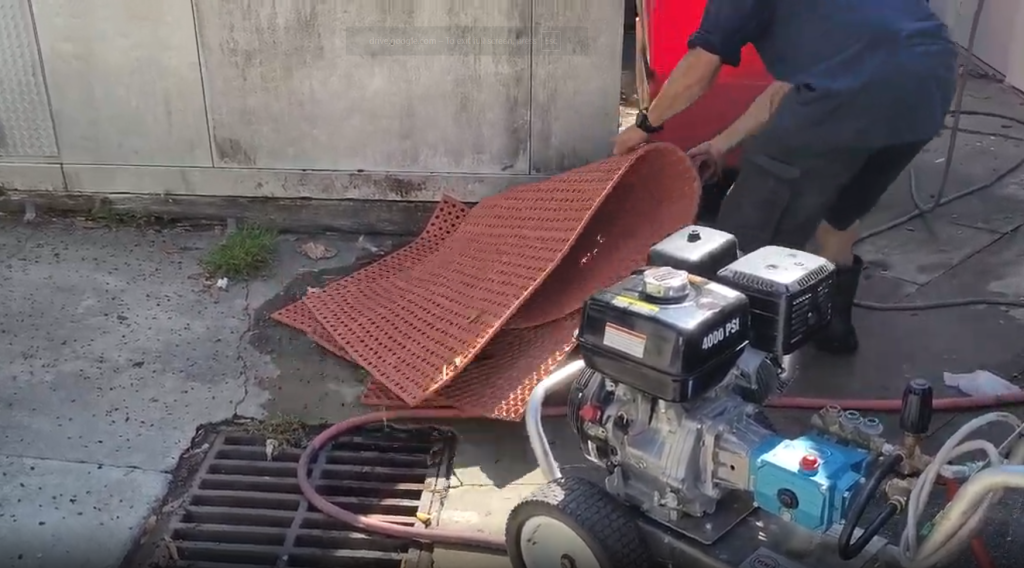
Car wash operators face a maintenance challenge that many underestimate until problems force a complete shutdown. The sump pit system—the underground collection point for water, chemicals, dirt, and debris from wash operations—works continuously without visibility or attention until it fails. When sump systems clog or malfunction, car washes cannot operate, resulting in immediate revenue loss and expensive emergency repairs. Every vehicle that passes through your car wash deposits mud, oil, grease, sand, leaves, and other contaminants into the water system. This material flows into sump pits where it accumulates over time. Without proper maintenance, these pits fill with sludge that blocks pumps, clogs pipes, and creates operational failures that cost thousands of dollars to resolve. Understanding Car Wash Sump Systems Car wash sump pits serve as collection basins for all water used during wash operations. These underground concrete or fiberglass pits capture runoff from bay floors, recycling systems, and drainage channels. The collected water typically contains: Sump systems include pumps that move water from collection pits to recycling equipment or drainage systems. Filters and settling tanks may separate solids from liquids before water is reused or discharged. The efficiency of the entire operation depends on these systems functioning properly. Most car washes operate with one or more sump pits, depending on facility size and wash bay configuration. High-volume operations may have multiple pits serving different zones, while smaller facilities might rely on a single collection point. How Sump Systems Fail Sump pit failures develop gradually through accumulation processes that operators often don’t notice until problems become severe. Sediment settling occurs naturally as heavy particles sink to the bottom of collection pits. Sand, dirt, and mineral deposits form layers that reduce pit capacity over time. As sediment builds up, the effective volume of the pit decreases, leaving less space for water collection during wash cycles. Oil and grease float on water surfaces, forming films that can enter pump systems and coat mechanical components. These petroleum products create sticky residues that trap other debris and accelerate system degradation. Organic matter, including leaves, grass, and other plant material, decomposes in sump pits, creating sludge that clogs screens and filters. This biological material can generate odors and contribute to bacterial growth in warm conditions. Chemical reactions between different cleaning products, hard water minerals, and contaminants create precipitates that settle as thick sludge. These chemical deposits can harden over time, making removal difficult without professional equipment. Pump failures often result from debris entering pump chambers. Small particles wear impellers and seals, reducing efficiency and eventually causing complete mechanical failure. Larger debris can jam pump mechanisms instantly, requiring immediate repairs. Float switches and sensors that control pump operation can malfunction when coated with residue or obstructed by floating debris. When these control systems fail, pumps may run continuously or not activate when needed, leading to flooding or system shutdowns. Warning Signs Your Sump System Needs Attention Car wash operators can identify developing sump problems through observable symptoms before complete system failures occur. Slow drainage during wash cycles indicates restricted flow somewhere in the collection system. Water that pools on bay floors or drains slowly suggests that sump pits are approaching capacity or that drainage lines are partially blocked. Foul odors emanating from floor drains or sump areas signal organic decomposition and bacterial growth. These odors often intensify during warm weather when biological activity increases. Visible debris or discoloration in wash water suggests that filtration systems are not functioning properly or that sump pits contain excessive contamination that is being recirculated. Pump cycling irregularities, including frequent on-off cycles, extended run times, or failure to activate, indicate problems with either the pump itself or the control systems that regulate operation. Equipment performance changes, such as reduced water pressure, inconsistent chemical delivery, or varying wash quality, may trace back to sump system issues affecting overall water flow. Physical symptoms around the facility include: The True Cost of Neglected Maintenance Deferred sump maintenance creates escalating costs that far exceed the expense of regular professional cleaning. Emergency repairs during business hours result in immediate revenue loss. A car wash that processes 100-200 vehicles daily loses hundreds to thousands of dollars for each day of forced closure. Weekend or holiday shutdowns during peak demand periods multiply these losses. Pump replacement costs increase dramatically when failures occur due to debris damage rather than normal wear. Emergency pump service often requires premium labor rates and expedited parts delivery, adding to total expenses. System component damage extends beyond pumps when sump failures allow debris into recycling equipment, water heaters, chemical injection systems, and spray equipment. Contamination can damage multiple components simultaneously, creating compound repair costs. Environmental compliance issues arise when clogged sump systems cause untreated water to discharge improperly. Many municipalities regulate car wash water discharge, and violations can result in fines, mandatory system upgrades, or operational restrictions. Facility damage occurs when backed-up water floods equipment rooms, storage areas, or adjacent spaces. Water damage to electrical systems, stored inventory, or building materials adds costs beyond the plumbing repairs themselves. Customer experience suffers when equipment malfunctions produce inadequate cleaning results. Dissatisfied customers who experience poor wash quality due to system problems may not return, representing long-term revenue losses that exceed immediate repair costs. Recommended Maintenance Schedules The frequency of professional sump cleaning depends on several operational factors specific to each car wash facility. High-volume car washes processing 200 or more vehicles daily should schedule monthly sump cleaning. These operations accumulate contaminants rapidly, and monthly service prevents the buildup that leads to system failures. Medium-volume facilities washing 100-200 vehicles daily benefit from bi-monthly or quarterly cleaning schedules. This frequency balances maintenance costs with the accumulation rates typical of moderate-traffic operations. Lower-volume operations, including self-service bays with lighter traffic, can often maintain functionality with quarterly or semi-annual professional cleaning, though specific conditions may require more frequent service. Seasonal considerations affect maintenance needs. Car washes in areas with harsh winters may need more frequent cleaning during and immediately after winter months when road salt, sand, and de-icing chemicals